
find my people
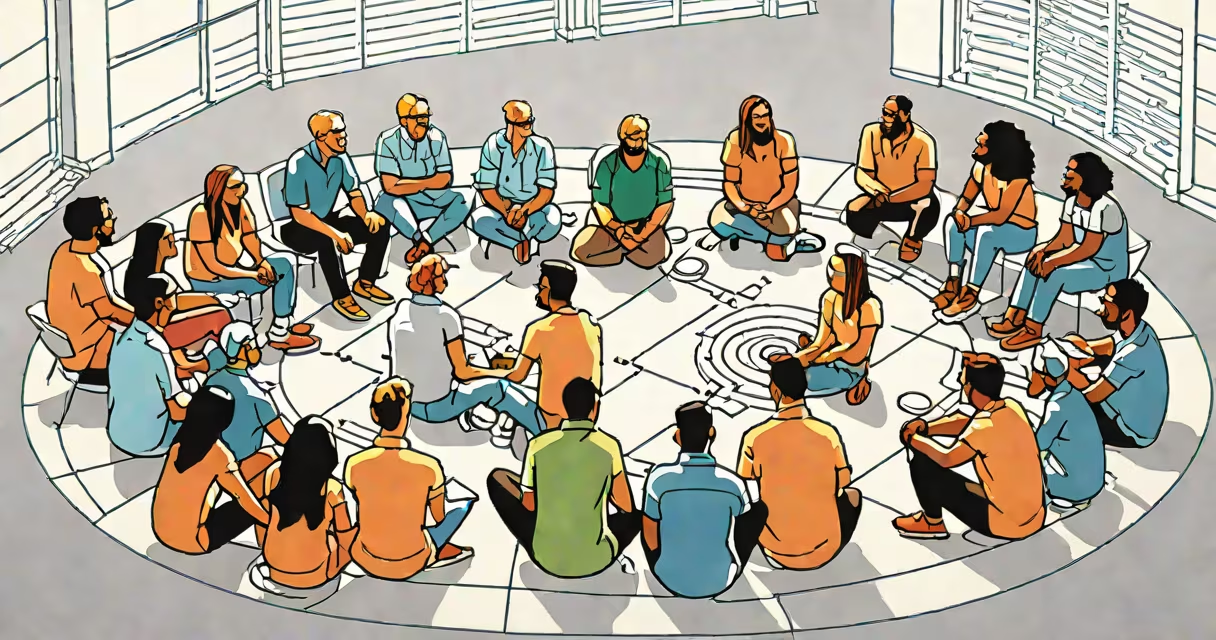
"find my people" describes the process of locating individuals or groups whose values, beliefs, and lived experiences align closely enough to form lasting emotional bonds and mutual support. It's not about matching demographics-it's about shared meaning, trust, and recognition of self in another.
This concept arises from the human need for belonging, a psychological necessity validated by decades of research. The American Psychological Association notes that sustained social connection reduces risk of early death by 50%, comparable to quitting smoking. People don't just want friends-they seek those who reflect their inner world.
Modern life fragments this search. Online platforms offer endless profiles, but few match on depth. Algorithms prioritize engagement over alignment. As a result, many report feeling isolated despite being constantly connected. "find my people" emerges as both a desire and a challenge in this environment.
How "find my people" actually works
True connection begins not with outreach, but with self-awareness. You cannot find people who resonate with you unless you understand what resonates within you. That includes core values-like integrity, curiosity, or service-as well as emotional patterns, such as needing space after conflict or seeking regular check-ins.
Once you name your internal field, you can identify environments where similar people gather. These aren't always obvious. A local gardening collective may attract people who value patience and long-term care. A neighborhood book club focused on speculative fiction often draws those interested in systemic change through narrative.
Real-world examples show this pattern. In Portland, Oregon, a group called Reclaiming Home formed around displaced renters. They met weekly not to debate policy, but to share stories of eviction and co-create solutions. Within six months, members reported reduced anxiety and increased agency. Their bond wasn't based on ideology-it was forged in shared struggle and mutual repair.
Types of communities that help you find your people
Not all groups are equal in their ability to build deep connection. Some create temporary comfort; others build enduring kinship. The difference lies in structure, consistency, and shared purpose.
| Type | Focus | Duration | Example |
|---|---|---|---|
| Interest-based | Shared hobbies or skills | Variable | Local chess club, urban birdwatching group |
| Identity-affirming | Values tied to identity (race, gender, neurotype) | Long-term | Black Queer Women's Circle, Autistic Parent Network |
| Process-oriented | Structured dialogue or healing practice | Multi-session | Monthly grief circle using narrative therapy techniques |
| Service-driven | Collective action toward a goal | Project-based | Neighborhood food sovereignty project |
Research from the University of California, Berkeley shows that groups with consistent meeting times and clear roles maintain higher member retention. Those that meet irregularly or lack defined norms often dissolve into casual conversation or performative solidarity.
One non-obvious truth: the most effective groups aren't always the most welcoming. Warmth matters-but so does boundary-setting. A study published in Journal of Social and Personal Relationships found that groups with moderate emotional intensity (not too cold, not too intense) had the highest levels of trust and long-term cohesion.
Common mistakes and confusions
Many people confuse "finding my people" with finding someone who agrees with them on everything. But alignment doesn't require uniformity. Two people can share a commitment to environmental justice while differing on tactics-one favors protest, the other focuses on policy reform. The bond forms not in agreement, but in respect for difference.
Another error is assuming online spaces replace in-person connection. While digital communities can offer access and visibility, they rarely deliver the same neural benefits. A 2022 study by the National Institutes of Health found that face-to-face interaction increases oxytocin release by 30% more than video calls. Physical presence-eye contact, proximity, shared silence-activates deeper bonding mechanisms.
I once attended a virtual writing retreat for introverts. Participants were invited to share work in small breakout rooms. After two days, one woman left early. She later wrote: "I felt seen in the chat, but not known. When we finally met in person during the last session, I realized I'd been searching for the wrong kind of recognition."
Where and why it matters
People find their people in places that demand presence. Not in scrolling feeds, but in classrooms, kitchens, parks, and workshops. These are sites of embodied learning-where you see someone's hands shake as they speak, or notice their pause before answering.
For young adults going through identity, this is critical. A 2021 report from the CDC found that teens who participate in consistent community activities are 40% less likely to report suicidal ideation. The mechanism isn't just distraction-it's recognition. Being part of a group where your story fits changes how you see yourself.
And for older adults, especially those experiencing loss, reconnecting with a group can reverse cognitive decline. A longitudinal study from Duke University tracked 1,200 seniors over ten years. Those involved in regular group activities showed slower memory deterioration than peers who remained socially isolated-even when controlling for health status.
When you stop searching for perfect matches and start showing up in spaces aligned with your values, "find my people" shifts from a quest to a practice. It becomes less about discovery and more about becoming visible-to others and to yourself.
Understanding this helps clarify why some people stay in relationships that feel draining. If the group lacks shared ethics or mutual accountability, even frequent contact won't build real connection. True belonging requires reciprocity-not just sharing, but showing up when it's hard.
For those ready to begin, start small. Attend one event in a setting that reflects your values. Bring nothing but your attention. Listen more than you speak. Notice who stays after the meeting ends. Who asks follow-up questions. Who remembers your name.
These are signs not of friendship yet-but of potential. And that's where "find my people" begins.