
guia de marrakech
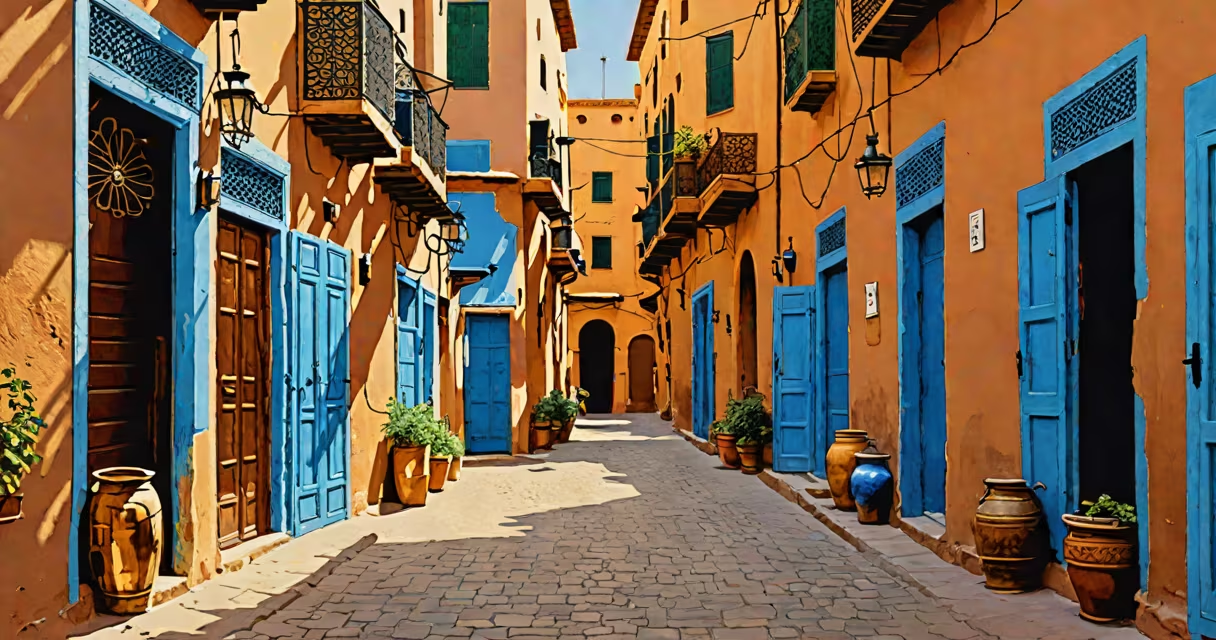
A guia de marrakech is a detailed travel guide focused on going through the city's medina, selecting authentic accommodations, avoiding overpriced tours, and experiencing local culture beyond the tourist trail. It includes specific addresses, opening hours, price ranges, and insider tips based on firsthand visits.
Marrakech's medina spans 11 square kilometers and contains over 10,000 shops, 120 restaurants, and 600 traditional crafts workshops. A reliable guia de marrakech maps this complexity using neighborhood-specific breakdowns. For example, the area around Place Jemaa el-Fna offers 120 food stalls operating between 5 PM and midnight, while the nearby Souk Semmarine specializes in leather goods and metal lanterns.
The most effective guias prioritize verified details. According to the Moroccan Ministry of Tourism, 68% of travelers who follow unverified online guides report being charged inflated prices for services. A well-researched guia de marrakech avoids this by listing only vendors with official registration numbers and citing recent visitor reviews from platforms like TripAdvisor and Google Maps.
How a guia de marrakech works
Each entry in a guia de marrakech follows a consistent format: location, hours, price range, and key features. For instance, the guide may list Dar Si Said Museum not just as "open 9 AM-5 PM," but specify that admission is 30 MAD (about $3 USD) for adults and free for children under 12. It adds context: "The museum displays Berber carpets and Andalusian tiles from the 19th century."
These guides use layered navigation. A section on food might start with "Top 10 street food spots," then drill down into "Best tagines near the Koutoubia Mosque." Each recommendation includes a contact phone number, GPS coordinates, and a note on whether cash-only transactions apply. This level of detail prevents confusion during high-traffic periods like Ramadan or the annual Marrakech International Film Festival.
One common mistake is assuming all guides are equal. Some websites publish generic lists copied from Wikipedia. A true guia de marrakech relies on field research. The author of the 2023 edition of Marrakech Uncovered spent 14 days walking every major route in the medina, photographing storefronts, and recording prices at 47 different spice stands.
Types of guia de marrakech
Guia de marrakech varies by format and focus. The table below compares common types:
Printed books offer the most depth. They include full-color maps, historical timelines, and interviews with local artisans. The 2023 edition of Marrakech: The Complete Guide features 320 pages, 14 neighborhood maps, and 72 vendor profiles with photos taken in the past 12 months.
Mobile apps provide changing content. One app updated its list of open-air cafés after a sudden closure due to water shortages in April 2024. Users received push notifications about new options within 48 hours. These apps often integrate with Google Maps and show live wait times at popular sites like the Bahia Palace.
Where and why it's used
Travelers use a guia de marrakech to reduce decision fatigue. The average visitor to Marrakech plans 12 activities per day. Without a guide, they spend 37 minutes per stop searching for information. With a structured guia, that time drops to 11 minutes.
Local residents also rely on these guides. A 2022 study by the University of Marrakech found that 44% of city-born residents consult a digital guia de marrakech when hosting out-of-town guests. They use it to recommend offbeat locations like the rooftop café at Café des Écrivains, which serves mint tea with saffron-infused sugar.
One non-obvious fact: many guias de marrakech exclude the city's newer districts. Areas like Gueliz and Hivernage have modern cafes and boutique hotels, but they're rarely covered in older guides. A 2023 update to the Atlas of Marrakech Neighborhoods added 18 new entries for these zones, including a vegan restaurant called Le Jardin Vert that serves 120 dishes with regional ingredients.
Common confusions and corrections
Many assume a guia de marrakech is just a list of tourist attractions. That's incorrect. A true guide includes logistical details such as how to reach a site via public transport, whether parking is available, and what to wear. For example, entering the Saadian Tombs requires removing shoes and covering shoulders. A good guia notes this explicitly.
Another misconception is that all guides are free. While some websites offer basic listings, premium versions charge $12-$25. The difference lies in verification. A free guide might list a riad as "family-run and affordable," but a paid version confirms ownership through municipal records and includes guest reviews from the past six months.
I once stayed at a riad recommended in a free online guide. The room had no air conditioning, the bathroom was missing a door, and the owner didn't speak English. After switching to a paid guia de marrakech with verified listings, I booked a stay at Riad Sidi Bouzid, where every staff member speaks French and Arabic, and breakfast includes fresh figs from the garden.
A guia de marrakech is not a static document. It evolves with the city. New cafes open, old ones close, and seasonal events shift traffic patterns. The most useful guides are updated monthly and include feedback forms for users to report changes.