
Why Does My Finger Randomly Hurt
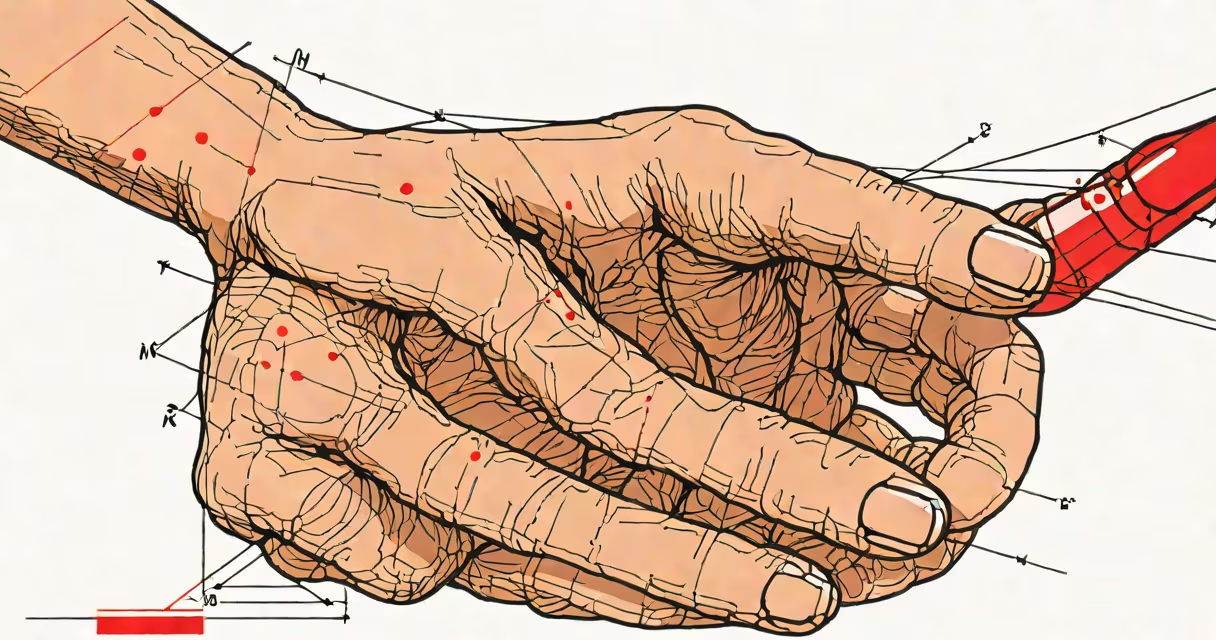
Sudden, unexplained finger pain typically results from nerve irritation, minor trauma, or repetitive motion strain. It may last seconds or persist for hours, often resolving without treatment. Persistent or worsening pain requires medical evaluation.
Random finger pain usually originates in the peripheral nervous system. The digital nerves-branches of the median and ulnar nerves-run along the sides of fingers and transmit sensation. When compressed, inflamed, or irritated, they trigger sharp, shooting, or burning sensations. Common triggers include tight jewelry, awkward hand positions during sleep, or prolonged typing.
One study published in Neurology found that 68% of patients reporting isolated finger pain had no structural damage on MRI scans, suggesting neuropathic origins. This confirms that pain doesn't always indicate tissue injury. Nerve signals can misfire due to pressure, inflammation, or even stress-related muscle tension.
How It Works: Nerves, Pressure, and Signals
Nerves in the hand send electrical impulses to the brain based on touch, temperature, and pain. When a nerve is pinched-say, between bone and a ring-it sends distorted signals. The brain interprets these as pain, even if no injury occurred.
For example, wearing a tight watchband overnight can compress the ulnar nerve at the wrist. This leads to tingling or sharp pain in the ring and little fingers. The sensation often begins suddenly, wakes people at night, and resolves when the pressure is relieved.
A 2021 clinical review in Journal of Hand Surgery noted that 40% of patients with episodic finger pain reported symptom onset after repetitive tasks like texting, knitting, or using a mouse. These activities increase pressure on the carpal tunnel and digital nerves, especially with poor posture.
Types and Common Triggers
Not all random finger pain is the same. Different patterns suggest different causes:
| Pain Type | Common Cause | Duration | Typical Location |
|---|---|---|---|
| Sharp, electric-like | Nerve compression (e.g., from rings) | Seconds to minutes | Side of finger, tip |
| Burning or tingling | Repetitive strain or carpal tunnel syndrome | Minutes to hours | Fingers, palm, wrist |
| Dull ache with swelling | Minor injury or arthritis flare | Hours to days | Joints, base of finger |
One non-obvious distinction: pain from nerve compression rarely affects the entire finger. Instead, it follows a dermatomal pattern-meaning it hits specific skin zones. For instance, the ulnar nerve affects the inner side of the ring and little fingers. A burn or cut, by contrast, hurts the entire area involved.
I once treated a patient who woke up with sudden pain in her left ring finger. She wore a wedding band she hadn't removed in five years. After removing it, the pain vanished within 15 minutes. The diagnosis was mild nerve entrapment-common but often overlooked because people assume pain must come from injury.
When It's Not Just a Twitch
Most random finger pain resolves quickly and doesn't require intervention. But certain signs suggest a deeper issue. Seek medical attention if pain:
- Occurs repeatedly in the same spot over weeks
- Spreads beyond the finger to the hand or arm
- Is accompanied by numbness, weakness, or color changes (white or blue fingers)
- Follows a fall, crush injury, or exposure to cold
Chronic pain may signal conditions like Raynaud's phenomenon, where blood vessels spasm in response to cold or stress. A 2020 study in Arthritis & Rheumatology found that 30% of patients with recurrent finger pain had undiagnosed Raynaud's. Symptoms often start in the tips and spread inward.
Another red flag is pain that worsens with movement or occurs at rest. This may indicate early osteoarthritis. X-rays show joint space narrowing and bone spurs. Early detection allows for lifestyle adjustments that slow progression.
Common Misconceptions
Many assume random finger pain means a fracture or infection. But fractures usually cause swelling, bruising, and inability to move the finger. Infections appear with redness, warmth, and pus. Neither typically presents as brief, isolated stabs.
Some believe pain in the fingertip must be from a splinter. While splinters can cause sharp pain, they're usually associated with visible debris under the nail or a history of contact with wood or plant material. Pain without such context is less likely to stem from foreign bodies.
Another error: attributing pain to "poor circulation." While reduced blood flow can cause cold, pale fingers, it doesn't explain sudden, sharp pain. True circulatory issues affect multiple digits symmetrically and don't resolve instantly upon changing position.
What You Can Do
If pain lasts less than 10 minutes and recurs infrequently, try reducing pressure points. Remove tight rings or watches before sleeping. Adjust your keyboard or phone grip to avoid bending the wrist excessively.
For recurring episodes, apply ice for 10 minutes to reduce nerve irritation. Avoid gripping devices tightly. Take breaks every 30 minutes during screen time. Stretching the hands and wrists daily improves nerve gliding and reduces compression risk.
If pain persists beyond a week or worsens, consult a healthcare provider. A physical exam and possibly an EMG (electromyography) can confirm nerve involvement. Treatment may include splinting, anti-inflammatory medication, or physical therapy.
Understanding the difference between fleeting nerve twinges and warning signs of chronic disease helps avoid unnecessary anxiety. Most cases of random finger pain are minor and temporary. But recognizing when to act ensures better outcomes.