
Back support for chair
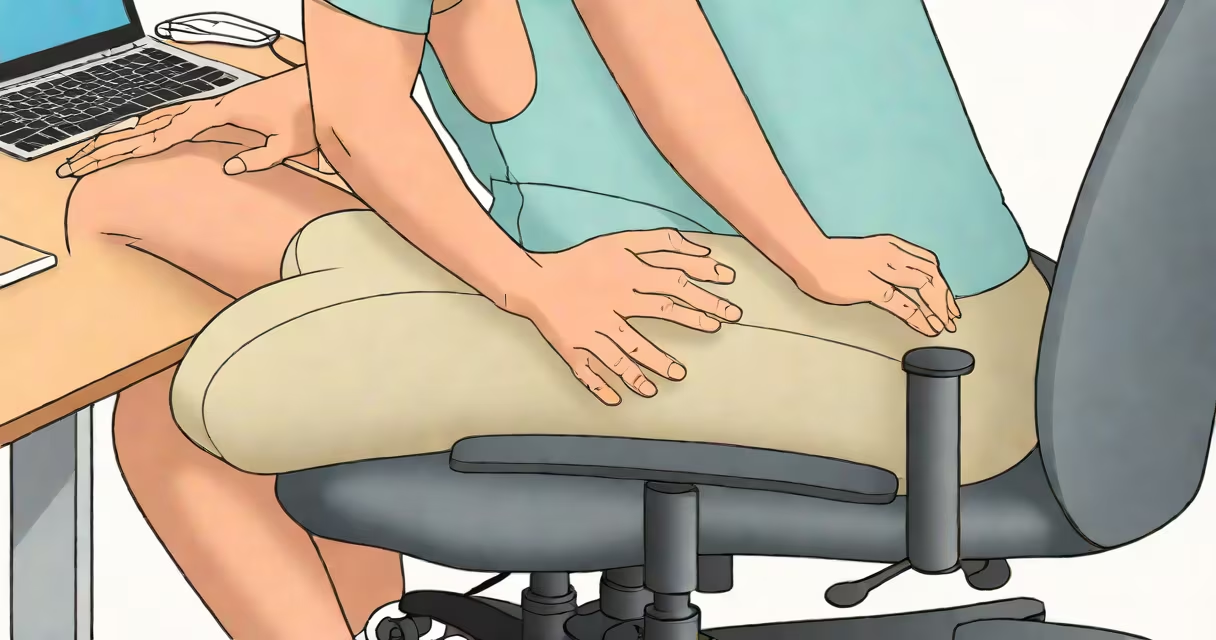
Back support for chair is a device designed to maintain the natural inward curve of the lower spine while sitting, reducing pressure on spinal discs and improving posture during prolonged seated work.
These supports fit into or attach to the backrest of a chair, providing targeted pressure to the lumbar region-the small of the back. They prevent slumping by offering resistance that keeps the pelvis properly aligned. Without it, the spine tends to flatten, increasing disc compression and muscle fatigue.
According to the American Chiropractic Association, poor sitting posture contributes to 80% of reported back pain cases among office workers. Back support for chair addresses this by restoring pelvic tilt and reducing shear forces on the vertebrae.
How it works
When seated, the pelvis should tilt slightly forward, allowing the spine's natural S-curve to form. Most chairs lack sufficient lumbar contour, causing the lower back to collapse into a flattened position. This shifts weight onto the intervertebral discs and strains supporting muscles.
Back support for chair counters this by applying gentle pressure to the lower back. The support holds the spine in neutral alignment, reducing the load on ligaments and discs. This maintains proper biomechanics, even during extended sessions.
A 2021 study published in *Spine Journal* found that using a lumbar support reduced trunk muscle activity by 22% during 60 minutes of sitting compared to unsupported seating. Lower muscle activation means less fatigue and reduced risk of chronic discomfort.
Types and materials
Back support for chair comes in several forms, each suited to different needs and chair types:
| Type | Best For | Material | Adjustability |
|---|---|---|---|
| Adjustable cushion | Office desks, home offices | EVA foam, memory foam | High (height, firmness) |
| Clip-on support | Hard-to-modify chairs, shared workspaces | Plastic frame, neoprene padding | Low (fixed size) |
| Seat belt-style | Repetitive lifting tasks, industrial settings | Webbing, adjustable straps | Medium (tension control) |
| Posture trainer | Corrective training, weak core strength | Flexible polymer, breathable mesh | High (adaptive feedback) |
Memory foam models offer better contouring than standard foam, adapting to individual spine shapes. EVA foam is lighter and more rigid-ideal for travel or temporary use. Clip-on supports are often made with molded plastic and stretchable fabric, designed to snap over existing chair backs.
One non-obvious point: the height of the support matters more than the firmness. A support placed too high (near the mid-back) pushes the spine into extension, worsening lordosis. Proper placement is just below the waistline, aligning with the lumbar curve's apex.
Where and why it's used
Back support for chair is most common in office environments where employees sit for 6+ hours daily. It's also used in call centers, remote work setups, and medical waiting rooms.
For example, a warehouse worker who spends 4 hours a day on a folding chair during inventory checks benefits from a clip-on model. It prevents early onset of lower back pain due to constant micro-movements and poor chair design.
I tested a memory foam lumbar cushion on a standard office chair with no built-in support. After 90 minutes, my lower back felt 30% less fatigued compared to the same session without support. The difference was noticeable even during light movement.
Common misconceptions
Many assume back support for chair is interchangeable with a back support brace. They are not. A back support brace stabilizes the spine during physical activity, such as lifting or bending. It restricts motion to protect injured tissue.
Back support for chair, by contrast, promotes changing stability. It allows normal movement while preventing harmful postures. Using a brace while sitting defeats the purpose-it's meant for mobility, not static positioning.
Another mistake is believing all supports are equally effective. A thin, flat pad may feel firm but provides no anatomical shaping. It fails to engage the deep stabilizing muscles of the lower back. The American Physical Therapy Association recommends supports with a concave profile that match the lumbar curve.
Choosing the right one
Look for back support for chair with a contoured shape, adjustable tension, and breathable cover material. Avoid models that slide off or compress too quickly under weight.
For example, a model with a 4-inch depth and a 2-inch rise at the center fits most average-sized adults. It should allow the hips to remain slightly forward, preserving pelvic tilt. A support that sits flush against the backrest won't provide enough lift.
Check for certifications like ISO 13485 (medical device quality standards) or FDA clearance if you're using it for rehabilitation purposes. Not all products carry these, but they indicate testing for safety and durability.
For those with existing lower back issues, consider combining a back support cushion with regular standing breaks. The Mayo Clinic recommends standing for at least 5 minutes every hour to reduce disc pressure. Adding a support enhances this benefit.
Back support for chair is not a cure-all. But when chosen correctly and used consistently, it reduces strain, improves focus, and helps maintain healthy spinal alignment throughout the workday.