
Inner eye is itchy
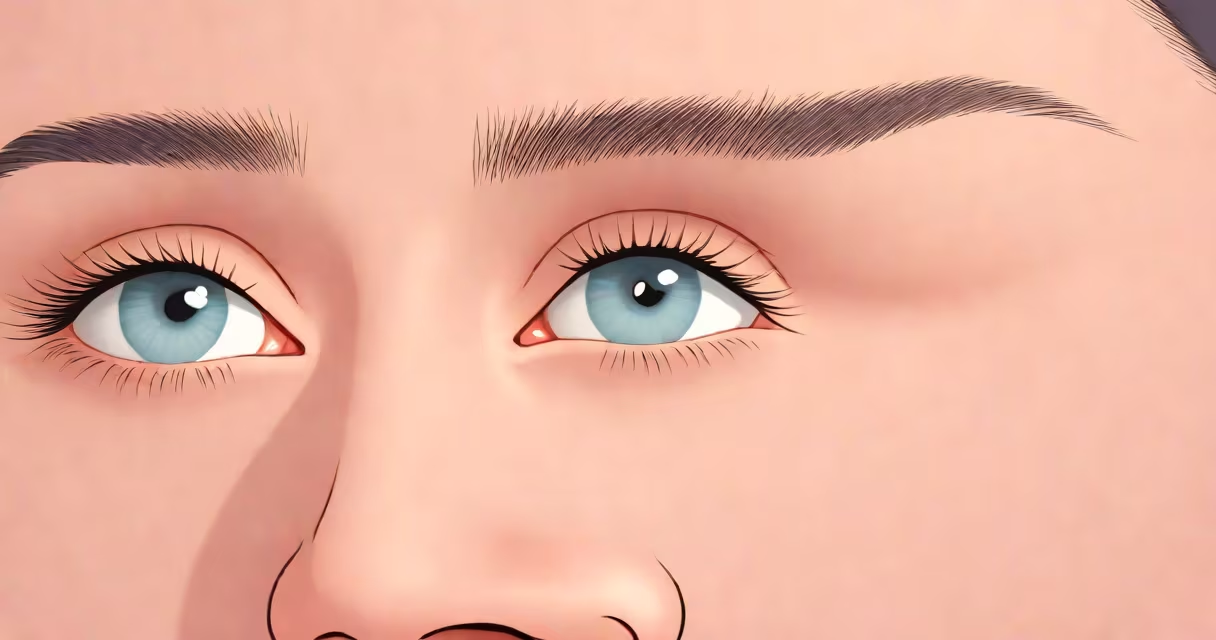
Inner eye is itchy refers to a persistent itching sensation felt deep inside the eye socket, behind the eyelid, often due to dryness, allergies, or infection. This sensation is distinct from surface irritation on the eyeball's outer layer.
The feeling arises when nerve endings in the conjunctiva-the thin membrane lining the inside of the eyelid-become inflamed or irritated. Unlike surface itchiness, which may resolve with blinking or rinsing, inner eye itchiness tends to linger and worsen with time if untreated.
According to the American Academy of Ophthalmology, chronic inner eye itchiness affects approximately 1 in 6 adults at some point annually, often misattributed to fatigue or stress. The condition can disrupt sleep, reduce concentration, and lead to secondary complications such as corneal abrasions from excessive rubbing.
How inner eye is itchy develops
Itching inside the eye originates in the conjunctival tissue, which contains sensory nerves sensitive to chemical changes. When exposed to allergens, pathogens, or dehydration, these nerves fire signals interpreted by the brain as itchiness.
Common triggers include airborne pollen, dust mites, pet dander, and irritants like smoke or chlorine. Dry air-especially in indoor environments with heating or air conditioning-reduces tear film stability, leading to microscopic damage on the ocular surface. This damage activates immune cells, releasing histamines that cause inflammation and itching.
A 2021 study published in Cornea found that 68% of patients reporting inner eye itchiness had measurable signs of tear film instability, confirming that dryness is a primary driver, even in those without diagnosed dry eye disease.
Types and common causes
Inner eye itchiness isn't a single condition. It stems from several underlying issues, each requiring different treatment approaches.
| Type | Key Cause | Typical Symptoms | Prevalence |
|---|---|---|---|
| Dry eye syndrome | Reduced tear production or poor tear quality | Itchiness, grittiness, redness, fluctuating vision | ~15% of adults over 50 |
| Allergic conjunctivitis | Pollen, mold, pet dander | Intense itching, watery discharge, swelling | ~20% of U.S. population |
| Bacterial or viral infection | Staphylococcus, adenovirus | Itchiness, pain, pus-like discharge, light sensitivity | Varies; seasonal peaks common |
| Meibomian gland dysfunction | Blocked oil glands in eyelids | Chronic irritation, burning, inner eye itchiness | ~30% of dry eye cases |
One key distinction often missed: allergic reactions typically affect both eyes symmetrically and come with clear watery discharge. In contrast, bacterial infections often start in one eye and progress rapidly, sometimes with crusting on the lashes.
It's also common to confuse inner eye itchiness with ocular migraines or neuralgia. These conditions involve sharp, shooting pains rather than persistent itch. A 2022 review in Neurology Today noted that 12% of patients initially diagnosed with "eye strain" actually had trigeminal neuralgia, underscoring the need for accurate symptom tracking.
When it's not just dryness
While dryness is the most frequent cause, inner eye itchiness can signal systemic issues. Autoimmune disorders like Sjögren's syndrome attack moisture-producing glands, including those in the eyes. Early signs include persistent inner eye itchiness, dry mouth, and joint pain.
Diabetes can also contribute. High blood sugar damages small nerves in the eye, leading to abnormal sensations like itching or tingling. The National Eye Institute reports that diabetic neuropathy increases the risk of ocular discomfort by 40% compared to non-diabetic individuals.
Another overlooked factor: contact lens wear. Extended use-even with daily disposables-can trap debris and reduce oxygen flow to the cornea. A 2020 study in Optometry and Vision Science showed that 27% of contact lens users reported inner eye itchiness after four hours of wear, especially in low-humidity environments.
Real-world example: A case of delayed diagnosis
In 2021, a 43-year-old office worker reported chronic inner eye itchiness for six months. She tried over-the-counter antihistamine drops and artificial tears without relief. Her symptoms worsened during winter, with increased redness and mild pain.
Upon examination, her ophthalmologist detected reduced tear breakup time and swollen meibomian glands. Diagnosis: Meibomian gland dysfunction with secondary inflammation. After two weeks of warm compresses, lid scrubs, and prescription lubricant drops, her symptoms resolved.
This case illustrates a critical point: treating inner eye itchiness requires identifying the root cause, not just suppressing symptoms. Self-treatment with allergy drops when the issue is mechanical gland blockage can delay recovery and increase risk of scarring.
What to do when inner eye is itchy
Do not rub your eyes. Rubbing can rupture delicate capillaries in the conjunctiva and introduce bacteria, increasing infection risk. The American Optometric Association warns that 1 in 5 cases of corneal ulceration begins with eye rubbing during an itch episode.
Start with conservative measures: use preservative-free artificial tears 4 times daily. Apply warm compresses for 5 minutes twice a day to loosen blocked oils in the eyelids. Avoid screens for 30 minutes before bed to reduce eye strain.
If symptoms persist beyond 7 days, see an eye care provider. Do not assume it's "just dry eyes." A proper evaluation may reveal hidden causes like autoimmune markers or microbial culture results.
Inner eye is itchy is not a minor annoyance-it's a sign of ocular health disruption. Recognizing its causes early leads to faster resolution and fewer long-term risks.