
Why Do Dogs Scoot
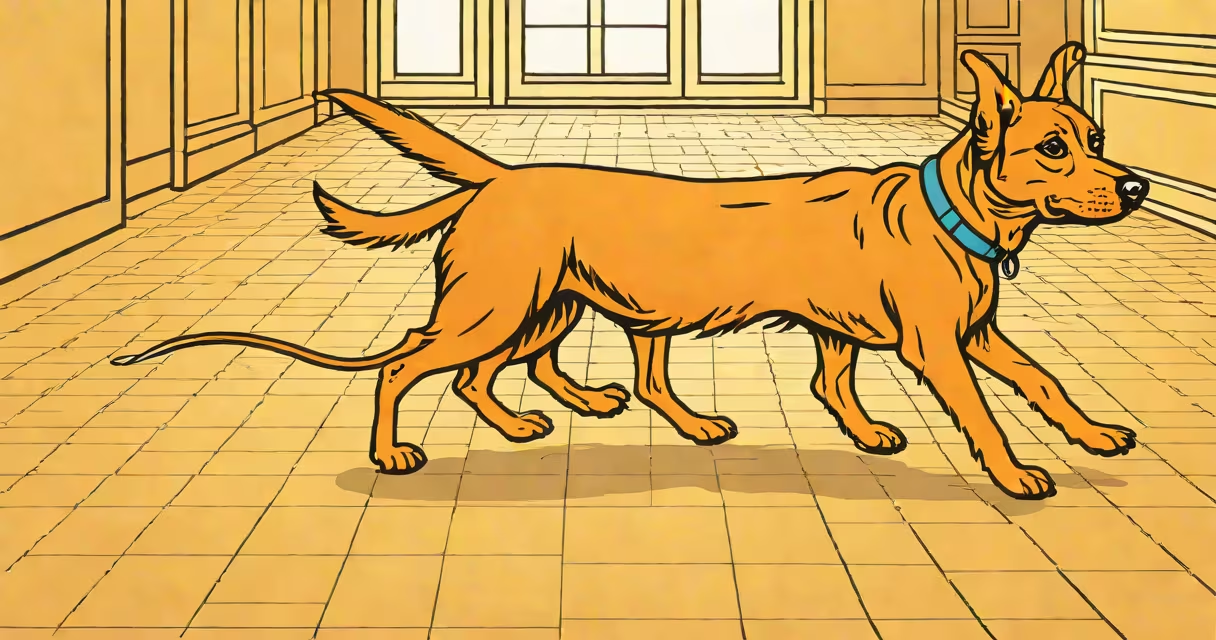
Dogs scoot-dragging their rear end along the ground-because they're trying to relieve irritation, pain, or pressure near the anus, most commonly caused by impacted or infected anal glands.
Anal glands are small scent-producing sacs located just inside the anus at the 4 o'clock and 8 o'clock positions. When these glands don't empty properly, fluid builds up, leading to swelling and discomfort. The dog's instinctive response is to rub the area against the floor to relieve the pressure. This behavior is known as scooting.
While occasional scooting may be normal-especially after a bowel movement-repeated or persistent scooting signals a problem. According to the American Kennel Club, anal gland issues affect about 1 in 10 dogs, especially small breeds like Chihuahuas, Poodles, and Corgis, which are more prone to blocked ducts due to narrow gland passages.
How Scooting Works: The Physical Process
Scooting begins when irritation triggers nerve signals in the anal region. The dog feels a sensation similar to fullness or burning. To relieve it, the animal lowers its hindquarters and drags its bottom forward across surfaces like carpet, tile, or grass.
This action applies pressure to the anal glands, sometimes forcing out trapped fluid. The relief is temporary. If the underlying cause remains-such as inflammation, infection, or poor gland function-the scooting resumes.
A 2021 study published in Veterinary Record found that 68% of dogs presenting with scooting had confirmed anal gland impaction, while 12% had abscesses requiring surgical drainage. These numbers show that scooting is rarely a minor issue.
Common Causes Beyond Anal Glands
While anal gland problems are the most frequent reason, other conditions can trigger scooting:
- Flea infestations: Eggs or bites around the tail base cause intense itching.
- Rectal or skin infections: Bacterial or fungal growth near the anus leads to irritation.
- Parasites: Tapeworm segments or pinworms can migrate near the anus and cause crawling sensations.
- Constipation or diarrhea: Altered stool consistency increases friction and discomfort during defecation.
- Tumors or polyps: Rare, but growths near the anus can press on nerves.
One overlooked cause is skin fold dermatitis in breeds with long, droopy tails, such as Basset Hounds or Bloodhounds. Moisture trapped in skin folds creates a breeding ground for bacteria, leading to chronic irritation and scooting.
Types of Scooting Behavior and What They Signal
Different patterns of scooting can hint at different underlying issues. Not all scooting is the same.
| Behavior Pattern | Most Likely Cause | Red Flags |
|---|---|---|
| Quick, repetitive scoots after defecation | Anal gland impaction | Strong fishy odor, licking at rear |
| Slow, dragging motion over several minutes | Chronic irritation or skin fold infection | Redness, hair loss, foul smell |
| Scooting only when excited or anxious | Stress-related anal gland expression | Occurs during play or greetings |
| Dragging with visible pain (whining, stiff posture) | Infected or ruptured gland | Swelling, discharge, fever |
When a dog scoots while standing still or shows signs of distress, it's a red flag. A single episode after a meal may be normal, but repeated episodes over days indicate a medical issue.
What's Commonly Misunderstood About Scooting
Many owners assume scooting is a sign of cleanliness or a quirky habit. It is not. Unlike grooming behaviors, scooting is involuntary and driven by physical discomfort.
Another misconception is that scooting always means the dog needs its anal glands "expressed" by a vet. While manual expression is sometimes necessary, it's not a routine fix. Over-expression can damage the gland lining and worsen impaction risk.
According to the Cornell Feline Health Center (which includes canine research), excessive manual expression contributes to chronic inflammation in 30% of cases. The correct approach is identifying the root cause-not just relieving symptoms.
Real-World Example: A Case of Chronic Scooting
In 2022, a 4-year-old Shih Tzu named Luna was brought to a veterinary clinic after scooting daily for six weeks. Her owner reported she'd drag her bottom across the kitchen floor every morning.
Initial exam revealed swollen anal glands with thick, yellowish discharge. The vet performed manual expression and prescribed antibiotics. After three days, scooting stopped.
But two weeks later, Luna returned with the same behavior. Further testing showed a small tumor pressing on the rectum. Surgery removed the mass, and scooting ceased permanently.
This case illustrates that scooting is a symptom, not a diagnosis. Treating only the surface issue-like expressing glands-can delay treatment for serious conditions.
When to Seek Veterinary Care
Consult a veterinarian if scooting occurs more than once a week, lasts longer than 24 hours, or is accompanied by:
- Licking or biting at the rear
- Swelling or redness around the anus
- Discharge with a foul odor
- Difficulty walking or sitting
- Loss of appetite or lethargy
Early intervention prevents complications like abscesses, which can rupture and require emergency surgery. The American Veterinary Medical Association notes that untreated anal gland infections have a 15% chance of progressing to systemic infection.
I've seen a dog with a ruptured anal gland that required a 10-day hospital stay and IV antibiotics. The owner thought it was just "a little irritation." It wasn't.
Prevention and Management
Preventing scooting starts with managing risk factors. High-fiber diets support regular bowel movements, helping glands empty naturally. Some veterinarians recommend adding pumpkin puree (1-2 tablespoons daily) to increase stool bulk.
Regular grooming, especially in long-haired breeds, reduces moisture buildup in skin folds. Bathing the perianal area with a gentle, pH-balanced cleanser can prevent bacterial overgrowth.
Why do dogs scoot? Because they're in pain. The behavior is a survival signal. Ignoring it risks worsening health. Addressing the cause early saves time, money, and suffering.
Understanding the real reasons behind scooting helps owners act quickly. It's not a quirk-it's a warning.