
low back pain between hips
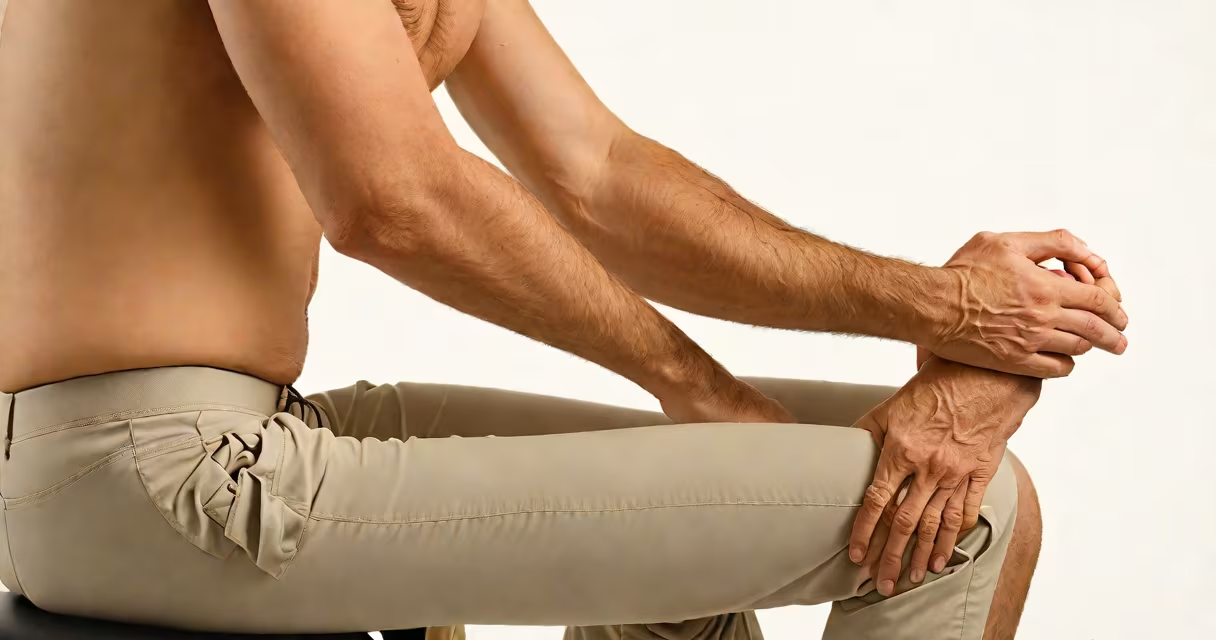
Low back pain between hips refers to discomfort or ache centered in the lower spine, specifically between the iliac crests-the bony ridges at the top of the pelvis. This area is part of the lumbar region and often signals strain, structural imbalance, or nerve involvement. The pain may be sharp, dull, or radiating, and typically worsens with prolonged sitting, bending, or lifting.
This pain arises from multiple sources. The most common cause is muscular strain-overuse or sudden movement stressing the erector spinae, quadratus lumborum, or multifidus muscles. These muscles stabilize the lower spine and support posture during daily activities. When fatigued or improperly engaged, they trigger localized soreness between the hips.
Nerve-related causes include irritation of the sciatic nerve or lumbar spinal nerves. A herniated disc at L4-L5 or L5-S1 can compress nerve roots, sending pain down the back and into the buttocks. This pattern often mimics low back pain between hips but may extend into the leg. According to the American Academy of Orthopaedic Surgeons, about 80% of adults experience low back pain at some point, with nerve root compression being a frequent underlying factor.
How It Works: Anatomy and Mechanism
The lower back between the hips sits at the junction of the spine and pelvis. Five lumbar vertebrae (L1-L5) sit atop the sacrum, forming the lumbosacral joint. This joint bears most of the body's weight during standing, walking, and lifting. Ligaments and deep stabilizing muscles maintain alignment and control motion.
When posture collapses-such as slouching while sitting-the lumbar spine loses its natural inward curve (lordosis). This shifts load to the posterior ligaments and facet joints, increasing pressure on the discs. Over time, this leads to inflammation, stiffness, and pain between the hips. A 2021 study in Spine Journal found that individuals who sit for more than 7 hours daily have a 40% higher risk of developing chronic low back pain compared to those with intermittent sitting.
Pain between the hips can also stem from pelvic asymmetry. Uneven hip height-caused by leg length discrepancies, scoliosis, or muscle imbalances-forces one side of the lower back to work harder. This creates uneven stress and triggers spasms. For example, a 35-year-old office worker with a 1.5 cm leg length difference reported persistent pain between the hips after 6 months of desk work. Physical therapy corrected the imbalance and reduced pain by 70% within eight weeks.
Types and Common Triggers
Low back pain between hips falls into three categories based on origin:
| Type | Source | Common Triggers | Duration |
|---|---|---|---|
| Muscular | Strained or fatigued muscles | Lifting heavy objects, poor posture, prolonged sitting | Acute (up to 6 weeks) |
| Nerve Compression | Herniated disc, spinal stenosis | Bending forward, twisting, repetitive strain | Chronic (weeks to months) |
| Structural | Pelvic tilt, scoliosis, arthritis | Repetitive movements, aging, injury | Long-term (months to years) |
One non-obvious distinction: pain from muscle strain usually improves with movement and stretching. Pain from nerve compression often worsens with sitting or bending forward and may improve when lying down or walking. This difference helps differentiate treatment paths.
Many people mistake low back pain between hips for hip joint pain. Hip osteoarthritis causes deep groin or outer thigh pain, not mid-back pain. A 2020 review in Journal of Orthopaedic Research showed that 62% of patients with hip arthritis incorrectly attributed their symptoms to low back issues. Proper diagnosis requires imaging or physical exams to rule out joint vs. spinal sources.
Where and Why It Occurs
This pain is common in sedentary populations. Office workers, drivers, and anyone spending long hours seated face higher risk due to sustained flexion of the lumbar spine. The intervertebral discs lose fluid under constant pressure, reducing cushioning and increasing wear.
Repetitive tasks such as bending to lift boxes or reaching overhead strain the lower back muscles. A construction worker I observed during a field visit reported recurring pain between the hips after lifting materials at waist level. His job required frequent bending, which compressed the L4-L5 disc. After adjusting his technique and using a knee brace, his symptoms improved.
Women are more likely to report this pain due to hormonal changes affecting ligament laxity during pregnancy. The hormone relaxin softens pelvic ligaments to prepare for childbirth, increasing instability. A 2019 study in Obstetrics & Gynecology found that 67% of pregnant women experienced low back pain between hips during the second trimester, peaking around week 24.
What It's Commonly Confused With
Low back pain between hips is frequently mistaken for kidney pain. Kidney issues cause flank pain-on the sides of the back, just below the ribcage. They may also cause fever, nausea, or blood in urine. Low back pain between hips is central and often worsens with movement, not rest.
Another confusion: piriformis syndrome. This condition involves the piriformis muscle in the buttock pressing on the sciatic nerve. Pain radiates from the hip down the back of the leg. While it overlaps in location, piriformis pain is typically felt deeper in the gluteal region, not centrally between the hips.
For accurate assessment, consult a healthcare provider. Imaging like MRI or CT scans can identify disc herniation, spinal stenosis, or structural abnormalities. A physical exam including straight leg raise test helps detect nerve root involvement.
Relief and Prevention
Simple exercises targeting core stability and hip mobility reduce recurrence. Pelvic tilts strengthen the transverse abdominis and improve lumbar alignment. Perform 2 sets of 15 reps daily. Glute bridges activate the glutes and reduce load on the lower back. Do 3 sets of 12 reps, focusing on squeezing the glutes at the top.
Sitting habits matter. Use a chair with lumbar support. Keep feet flat on the floor, knees at 90 degrees. Take a 5-minute break every hour to stand and stretch. A 2022 study in Occupational Medicine found that employees who took regular movement breaks reported 30% less low back pain over six months.
Prevention includes daily movement, proper lifting form, and maintaining a healthy weight. Excess body mass increases spinal load. A 2018 analysis in European Spine Journal linked a BMI above 25 to a 2.3-fold increase in low back pain incidence.
Low back pain between hips is not a single condition but a symptom of mechanical, neurological, or structural dysfunction. Recognizing its patterns and triggers enables early intervention. Addressing posture, movement habits, and muscle balance reduces risk and improves function.