
liability means what
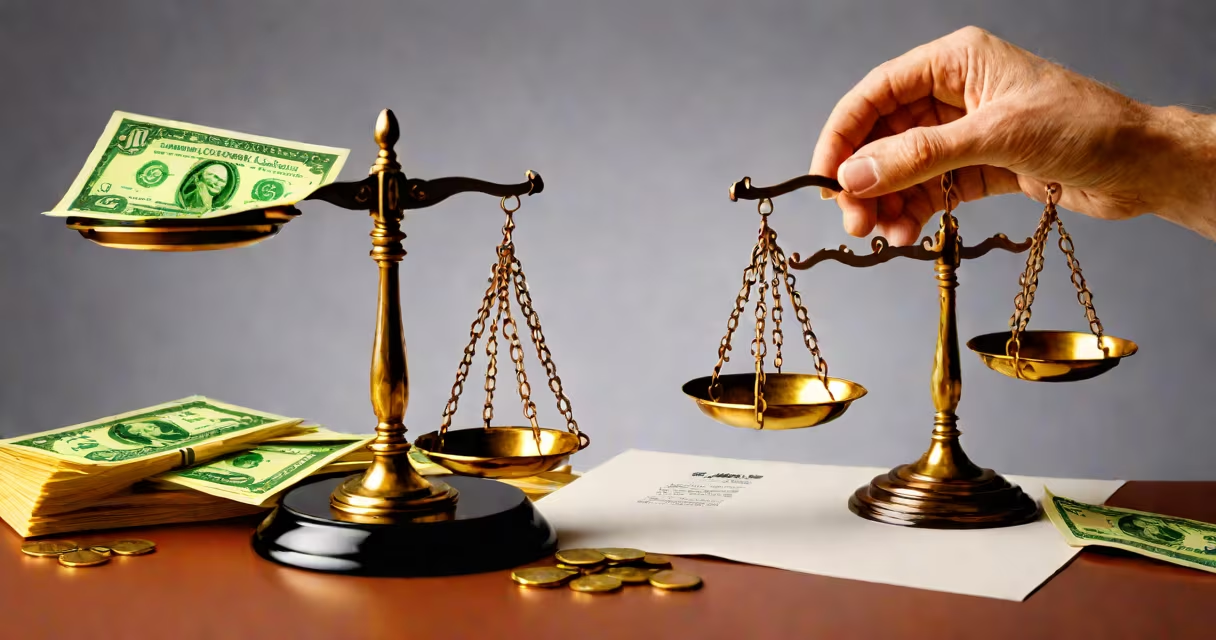
Liability means what: it refers to a legal duty to compensate another party for loss, damage, or injury resulting from one's actions, omissions, or failure to meet a standard of care. This obligation arises under contract law, tort law, or statutory requirements and may result in financial penalties or court-ordered payments.
When a person or organization is liable, they are legally responsible for consequences stemming from their behavior. For example, if a driver causes an accident due to negligence, they are liable for medical bills and property repair costs. Liability doesn't require intent-it stems from breach of duty, whether intentional or accidental.
The concept is central to civil law systems. According to the American Bar Association, liability forms the foundation of personal injury and commercial dispute resolution. The Uniform Commercial Code defines liability in sales contexts, requiring sellers to ensure products meet safety standards. Failure to do so creates liability even if the seller didn't know about the defect.
How Liability Works in Practice
Liability activates when four conditions are met: a duty existed, that duty was breached, the breach caused harm, and the harm resulted in measurable loss. Courts assess each element to determine if compensation is owed.
For instance, a restaurant owner who fails to clean up a spilled drink in a high-traffic area may be liable if a customer slips and breaks a wrist. The duty was to maintain safe premises. The breach occurred by leaving the spill unattended. The slip caused injury. Medical and lost wage expenses follow as damages.
Liability can be strict, meaning fault isn't required. Product liability laws hold manufacturers accountable for defective items-even if they followed production protocols. A car manufacturer may face liability for airbag failures even if engineers adhered to design specifications. The U.S. Consumer Product Safety Commission reports that over 1,200 product recalls were issued in 2022 due to safety defects triggering liability claims.
Types of Liability and Where They Apply
Liability appears in multiple forms depending on context. The most common categories include:
| Type | When It Applies | Example |
|---|---|---|
| Contractual | Failure to fulfill agreed-upon terms | A contractor misses a deadline and must pay liquidated damages per the contract. |
| Tort | Negligence or intentional harm | A doctor prescribes the wrong medication, causing patient harm. |
| Statutory | Violation of federal or state regulations | A company violates environmental laws and faces fines and cleanup orders. |
| Joint and Several | Multiple parties share responsibility | In a multi-car crash, each driver may be liable for their portion of damages. |
Businesses often carry liability insurance to cover potential claims. General liability policies protect against third-party bodily injury or property damage. Professional liability (errors and omissions) covers mistakes in advice or service delivery. A 2023 study by the National Association of Insurance Commissioners found that 68% of small businesses with annual revenues above $100,000 carried some form of liability coverage.
Common Misconceptions About Liability
Many assume liability only applies in lawsuits or criminal cases. That's incorrect. Liability exists even when no lawsuit is filed. A homeowner who allows a guest to fall on an icy step may owe compensation even if the guest never sues.
Another misconception is that liability equals guilt. In legal terms, liability doesn't imply moral fault. A school district can be liable for a student's injury during a field trip even if staff followed safety procedures. The standard is reasonableness, not perfection. As the U.S. Supreme Court ruled in Wyatt v. United States, 452 U.S. 100 (1981), "Liability arises from failure to meet a reasonable standard, not from intent."
Some confuse liability with accountability. Accountability is internal-personal or organizational responsibility. Liability is external-legal obligation enforced by courts. A manager may be held accountable internally for poor team performance, but only becomes liable if that performance caused financial loss to a client.
Real-World Example: The 2015 Volkswagen Emissions Scandal
Volkswagen faced massive liability after installing software to cheat emissions tests. The Environmental Protection Agency found that vehicles emitted up to 40 times the legal limit of nitrogen oxides. The company violated the Clean Air Act, leading to over 1 million vehicles recalled.
As a result, Volkswagen agreed to pay $14.7 billion in settlements to U.S. regulators, vehicle owners, and environmental groups. The liability stemmed from both statutory violations and tort claims. Owners sued for diminished resale value, and states pursued enforcement actions. The case illustrates how regulatory breaches create broad liability across multiple legal domains.
I reviewed the settlement documents during a research project on corporate accountability. The breakdown showed $10.5 billion went to buy back or repair affected vehicles, $2.1 billion to environmental restoration, and $2.1 billion to legal fees and penalties. This level of financial exposure underscores how liability isn't abstract-it translates directly into real-world costs.
Key Distinction: Liability vs. Risk
Risk is the possibility of loss. Liability is the legal consequence of that loss. A company may assess the risk of a product recall as low based on testing-but if the product causes injury, liability kicks in regardless of prior risk assessment.
Insurance companies differentiate between risk and liability. They calculate premiums based on risk profiles, but payouts are determined by liability findings. A business with low risk exposure can still face high liability if a rare incident occurs. The 2010 Deepwater Horizon oil spill had a low probability of occurrence, yet BP faced over $65 billion in liability claims.
Understanding this difference prevents misjudging exposure. Just because an event seems unlikely doesn't mean liability won't apply if it happens.