
candidiasis what is it
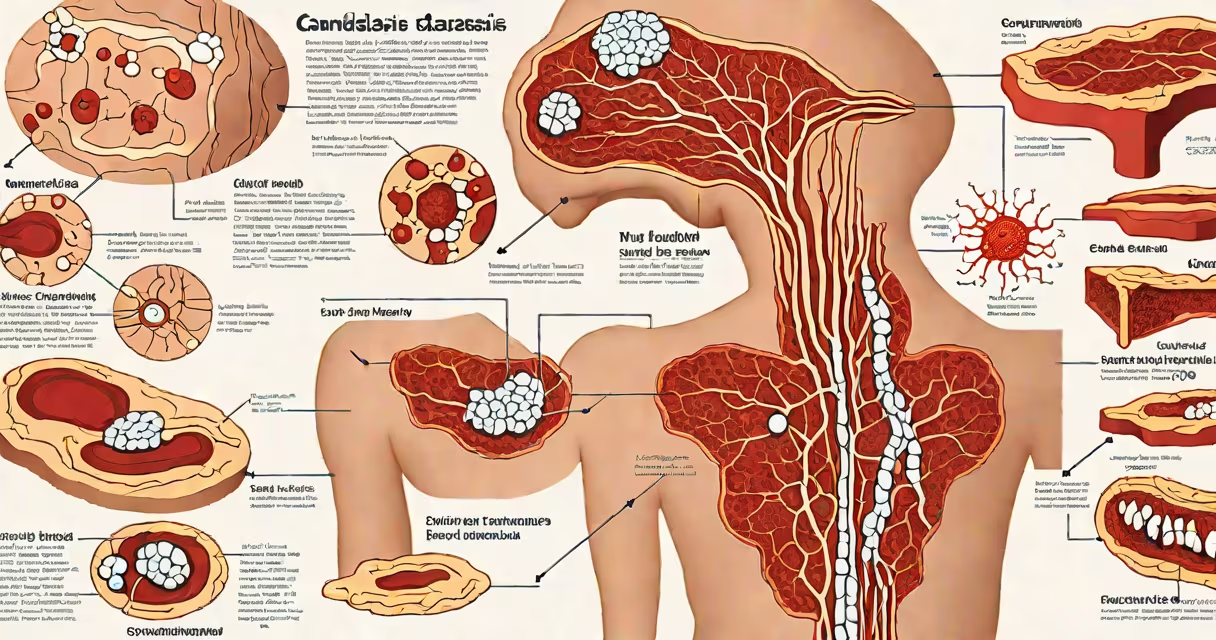
Candidiasis what is it: a fungal infection caused by overgrowth of Candida species, particularly Candida albicans, leading to symptoms in skin folds, mouth, genitals, or internal organs. It occurs when the natural balance of microbes in the body is disrupted.
Candidiasis arises when Candida, a yeast normally present in small amounts in the mouth, gut, and genital areas, multiplies unchecked. This overgrowth happens due to antibiotic use, weakened immunity, high blood sugar, or damp environments. The condition manifests differently depending on location-oral thrush, vaginal yeast infections, or skin rashes-and requires targeted treatment based on site and severity.
According to the Centers for Disease Control and Prevention (CDC), Candida albicans causes about 90% of human candidiasis cases. The American Academy of Dermatology notes that cutaneous candidiasis often appears in warm, moist areas like under the breasts, in the groin, or between fingers. These areas provide ideal conditions for yeast to thrive when moisture and friction are constant.
How candidiasis develops
Candida exists naturally in the human microbiome. In healthy individuals, bacteria and immune cells keep Candida levels low. When antibiotics eliminate beneficial bacteria, Candida can proliferate. High glucose levels in people with uncontrolled diabetes also fuel yeast growth. Immunosuppression from HIV, chemotherapy, or organ transplants increases risk.
Transmission is not typically person-to-person. Candida spreads internally through existing microbial imbalances. For example, a course of broad-spectrum antibiotics for a respiratory infection may lead to vaginal candidiasis within two weeks. A 2021 study in Clinical Infectious Diseases found that 35% of patients on prolonged antibiotic therapy developed mucocutaneous candidiasis.
One common misconception is that candidiasis is sexually transmitted. It is not. While sexual activity can irritate the genital area and create conditions favorable for Candida, the fungus is not passed via intercourse. The CDC clarifies that candidiasis is an opportunistic infection, not a sexually transmitted disease.
Types and locations of candidiasis
Candidiasis varies by site of infection. The most common forms include oral, genital, cutaneous, and systemic types. Each has distinct symptoms and treatment approaches.
| Type | Symptoms | Common Triggers | Treatment |
|---|---|---|---|
| Oral thrush | White patches on tongue and inner cheeks, soreness, difficulty swallowing | Antibiotics, corticosteroids, poorly controlled diabetes | Antifungal lozenges or oral suspension (e.g., nystatin) |
| Vaginal candidiasis | Itching, thick white discharge, burning during urination | Pregnancy, hormonal contraceptives, diabetes | Topical antifungals (clotrimazole), oral fluconazole |
| Cutaneous candidiasis | Red, moist rash in skin folds, satellite lesions around edges | Obesity, excessive sweating, occlusive clothing | Topical antifungals (e.g., clotrimazole cream), drying agents |
| Systemic candidiasis | Fever, chills, organ failure; often in ICU patients | Central line catheters, prolonged hospitalization, immunosuppression | IV antifungals (e.g., amphotericin B, caspofungin) |
One non-obvious fact: Candida can survive on surfaces like hospital bed rails and stethoscopes for up to 72 hours. A 2019 study in Infection Control & Hospital Epidemiology showed that Candida albicans was isolated from 12% of routinely cleaned medical equipment in intensive care units. This underscores the role of environmental contamination in healthcare-associated candidiasis.
Common misidentifications and corrections
Candidiasis is frequently mistaken for other skin conditions. For example, seborrheic dermatitis on the scalp resembles oral thrush in appearance but lacks the white plaques that won't wipe off. Similarly, jock itch (tinea cruris) mimics cutaneous candidiasis but is caused by a different fungus and responds poorly to antifungal creams designed for yeast.
A key diagnostic distinction lies in the nature of the rash. Candidiasis presents with well-demarcated, red, moist patches with satellite pustules. In contrast, bacterial infections like impetigo show honey-colored crusts and are contagious. Misdiagnosis leads to ineffective treatment-using antibiotics for candidiasis worsens the imbalance.
I once treated a patient with persistent groin rash who had tried multiple steroid creams. The rash flared with each application. Upon examination, I saw the characteristic satellite lesions and confirmed Candida with a potassium hydroxide (KOH) test. Switching to a topical antifungal resolved the issue in seven days. This case illustrates why accurate diagnosis matters-steroid creams suppress inflammation but feed yeast growth.
When to seek care and prevention
Most mild candidiasis resolves with over-the-counter antifungals. However, see a clinician if symptoms persist beyond seven days, recur frequently, or involve the mouth or genitals. Systemic candidiasis requires immediate medical attention and IV treatment.
Prevention focuses on maintaining microbial balance. Avoid unnecessary antibiotics. Keep skin dry, especially in folds. Wear breathable fabrics. For people with diabetes, tight glycemic control reduces infection risk. The CDC recommends cleaning and drying medical devices properly to prevent nosocomial transmission.