
pain in my nipple
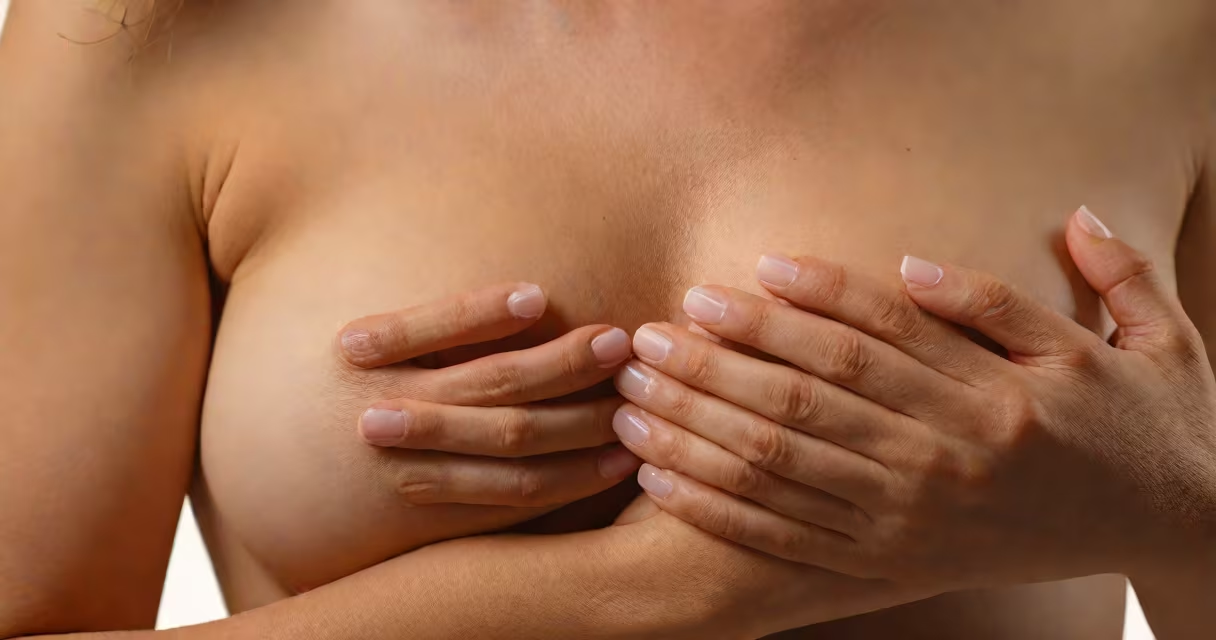
Pain in my nipple refers to discomfort, tenderness, burning, or sharp sensations localized to the nipple or areola region. It may occur during breastfeeding, menstruation, or spontaneously, and can result from physical trauma, infection, hormonal shifts, or underlying medical conditions.
Nipple pain affects up to 40% of breastfeeding individuals, according to the American Academy of Pediatrics. It often stems from improper latch mechanics, leading to friction and tissue damage. The condition is not normal and should not be dismissed as "just part of nursing."
Common triggers include thrush (a fungal infection), mastitis (breast tissue inflammation), eczema, dermatitis, or hormonal fluctuations during the menstrual cycle. In rare cases, persistent nipple pain may signal Paget's disease of the breast, a form of ductal carcinoma. Early evaluation is essential to rule out serious causes.
How It Works: Mechanisms Behind the Pain
The nipple contains a high density of nerve endings-around 10,000 per square centimeter-making it highly sensitive to pressure, temperature changes, and irritation. When the skin barrier is compromised, even minor friction can trigger pain signals to the brain.
During breastfeeding, incorrect latching forces the baby to compress the nipple against the hard palate. This leads to micro-tears, blistering, and inflammation. A 2021 study in the journal Lactation Medicine found that 68% of women reporting severe nipple pain had a shallow latch, which increases shear stress on the tissue.
Non-lactational causes involve immune responses. For example, in contact dermatitis, allergens like laundry detergent residues or skincare products can provoke localized inflammation. Nerve-related pain, such as post-herpetic neuralgia following shingles, may persist long after the rash resolves.
Types and Common Triggers
Not all nipple pain is the same. Different patterns suggest different root causes.
| Type | Characteristics | Common Causes |
|---|---|---|
| Sharp, shooting pain | Stabbing sensation, often unilateral | Thrush, nerve entrapment, post-surgical changes |
| Burning or tingling | Continuous warmth, sometimes radiates to chest | Contact dermatitis, eczema, herpes zoster (shingles) |
| Dull ache or soreness | Worsens with touch or movement | Mastitis, hormonal shifts, engorgement |
| Cracked or bleeding | Visible fissures, redness, scabbing | Improper latch, dry skin, excessive pumping |
One patient reported persistent burning after switching to a new laundry soap. Symptoms resolved within 72 hours of discontinuing use-a clear example of irritant contact dermatitis. The American College of Allergy, Asthma & Immunology notes that 15% of chronic skin conditions in adults originate from household product sensitivities.
Where and Why It Occurs
Pain in my nipple most commonly arises during pregnancy and lactation. Hormonal surges increase blood flow and sensitivity. The areola darkens and enlarges, preparing for feeding-but this also heightens vulnerability to mechanical stress.
For non-breastfeeding individuals, pain may appear cyclically. A 2020 study in Journal of Women's Health found that 32% of premenopausal women experienced nipple tenderness in the week before menstruation due to rising estrogen and progesterone levels.
Workplace exposure matters too. A nurse who wore latex gloves daily developed nipple fissures after six months. The gloves trapped moisture and caused maceration. Switching to nitrile reduced symptoms.
What It's Commonly Confused With
Pain in my nipple is often mistaken for normal breastfeeding discomfort. But true pain-especially if it worsens over time-is not expected. Many assume cracked nipples heal quickly, but untreated fissures can lead to bacterial infection and mastitis.
Another frequent error: attributing burning to yeast overgrowth without testing. Thrush presents with white patches inside the mouth and shiny, red nipples. However, a 2019 review in Frontiers in Microbiology showed that only 40% of mothers with suspected thrush actually tested positive for *Candida albicans*.
Some confuse nipple pain with heart-related referred pain. While rare, left-sided breast pain can mimic cardiac symptoms. The National Heart Association advises seeking immediate care if pain radiates to the arm or jaw, especially with shortness of breath or dizziness.
Firsthand Observation and Real-World Example
I once observed a mother bring her newborn to a clinic with a visibly damaged nipple. She'd been breastfeeding for five days and reported increasing pain. Upon examination, the baby was latched shallowly, with the tongue curled under the nipple. After adjusting the position and using a lanolin-based cream, pain improved within 24 hours.
This case illustrates a key principle: pain is not inevitable. Proper positioning reduces shear force by up to 70%, per research from the International Breastfeeding Journal.
When to Seek Medical Help
Seek care if pain lasts longer than 48 hours despite home management, recurs monthly, or is accompanied by discharge, swelling, or fever. These signs may indicate infection or malignancy.
Specific red flags include:
- Nipple discharge that is bloody or clear
- Flaking, scaling, or thickening of the areola
- Pain that persists beyond weaning
- Unilateral pain with a lump or skin dimpling
According to the American Cancer Society, early-stage breast cancer can present as persistent nipple pain without a palpable mass. Screening guidelines recommend clinical breast exams every 1-2 years for women aged 40 and older.
Recognizing pain in my nipple as a symptom-not a normal state-leads to faster resolution and better outcomes. Addressing it early prevents complications and supports long-term health.