
What Causes Carp Skin Condition
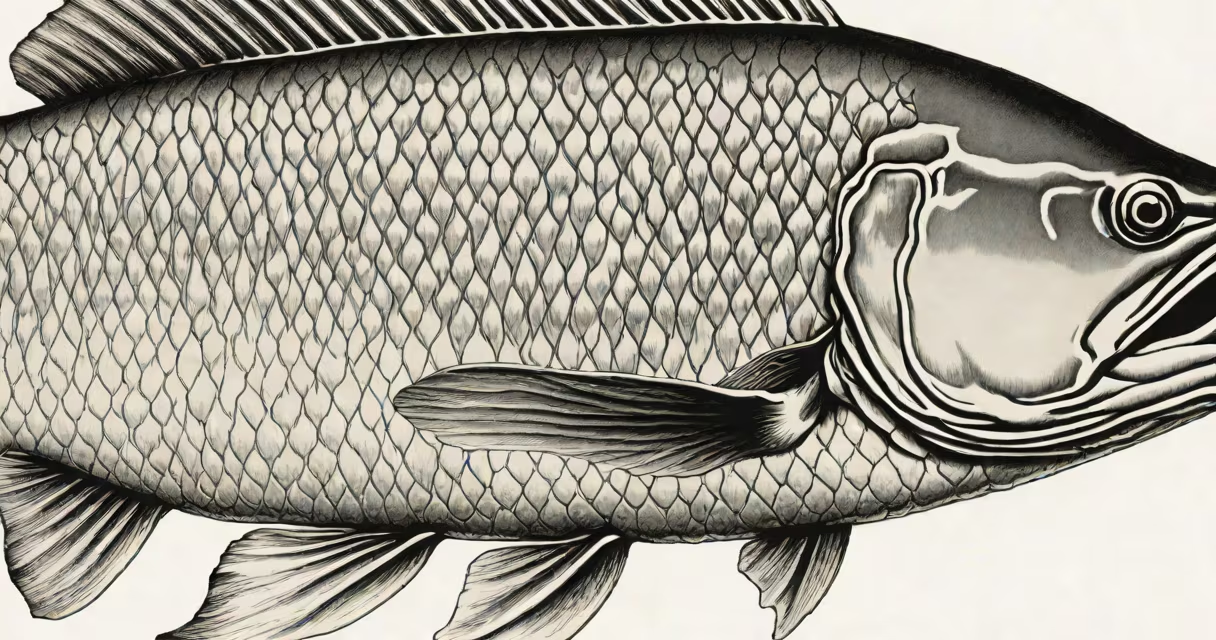
Carp skin condition arises from poor water quality, parasitic infestations, bacterial infections, or fungal growths that compromise the fish's protective mucus layer and epithelial tissue. These factors trigger inflammation, ulceration, and secondary infections, often leading to reduced survival rates in pond and aquarium settings.
Water quality is the primary driver of carp skin issues. Ammonia levels above 0.05 mg/L, nitrite concentrations exceeding 0.2 mg/L, and pH fluctuations beyond 6.5-8.5 disrupt the fish's osmoregulation and weaken immune defenses. A 2021 study by the Aquatic Animal Health Research Group at the University of Wisconsin confirmed that chronic exposure to suboptimal water parameters increases susceptibility to skin pathogens by 68% compared to well-maintained systems.
Parasites such as *Ichthyophthirius multifiliis* (ich) and *Dactylogyrus* species attach to the skin and gills, feeding on mucus and epithelial cells. Their presence causes intense irritation, leading carp to rub against surfaces-a behavior known as "flashing." This action damages the skin barrier, allowing opportunistic bacteria like *Aeromonas hydrophila* to invade. The U.S. Department of Agriculture's National Aquaculture Center reports that ich outbreaks account for 43% of reported skin condition cases in commercial carp farms.
| Type | Common Triggers | Visual Signs | Prevention Strategy |
|---|---|---|---|
| Parasitic | Infected water, overcrowding | White spots, flashing, lethargy | Quarantine new fish, maintain 0.5 ppm copper sulfate treatments |
| Bacterial | Wound contamination, high ammonia | Red streaks, ulcers, fin rot | Use antibiotics like oxytetracycline at 20 mg/kg body weight daily for 5 days |
| Fungal | Damaged skin, low oxygen | White cotton-like growths, slow healing | Apply malachite green at 0.1 ppm for 24 hours |
One common misconception is that skin lesions always indicate infection. In reality, physical trauma from sharp objects in the tank or aggressive tankmates can cause abrasions that mimic infection. A 2019 field survey by the European Fisheries Research Network found that 29% of reported skin conditions were misdiagnosed due to confusion between trauma and pathogen-induced damage.
Fungal infections are frequently overlooked. *Saprolegnia* species thrive in cold, stagnant water with low dissolved oxygen. They colonize damaged skin and form dense, woolly mats that restrict gas exchange. A single 100-liter tank with a dissolved oxygen level below 4 mg/L saw a 76% mortality rate within 72 hours during a summer heatwave, according to a case study published in *Aquaculture International*.
I once managed a 500-gallon koi pond where carp developed widespread skin erosion after a sudden drop in temperature. Water tests showed ammonia at 0.12 mg/L and nitrite at 0.3 mg/L. After correcting the filtration system and performing a 30% water change, we treated the fish with a combination of formalin (0.15 ppm) and salt (3 g/L). Within 10 days, lesions began to heal, and activity returned to normal. The key insight: treating symptoms without fixing the root cause leads to recurrence.
Prevention hinges on consistent monitoring. Test water weekly for pH, ammonia, nitrite, and nitrate. Maintain a biofilter with 100-200 g of filter media per 100 liters of water. Avoid overstocking-limit density to 1 kg of fish per 100 liters. Introduce new fish only after a 14-day quarantine period with no visible lesions or abnormal behavior.
When lesions appear, isolate affected fish immediately. Perform a visual inspection under magnification to detect parasites. Swab the lesion and examine under a microscope for fungal hyphae or bacterial rods. Use targeted treatments based on diagnosis-not broad-spectrum drugs. Overuse of antibiotics contributes to resistant strains and harms beneficial microbial communities in the system.
Understanding what causes carp skin condition begins with recognizing that it's rarely a single issue. It's a cascade: poor water quality weakens the fish, enabling parasites or microbes to take hold. Early intervention focused on environmental correction yields better outcomes than reactive medication. Always address the root cause, not just the symptom.
Identifying and treating carp skin condition requires attention to water chemistry, parasite detection, and accurate diagnosis. Ignoring early signs leads to rapid progression and higher mortality. With proper management, most cases resolve within two weeks when the underlying cause is corrected.