
Pain in scalp causes
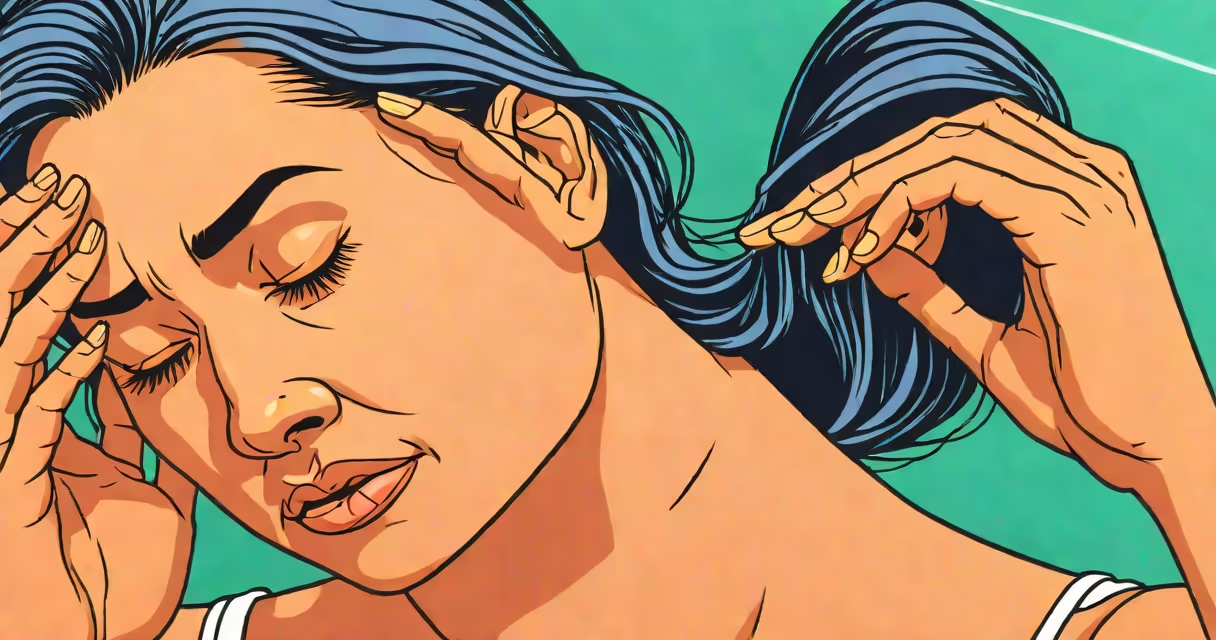
Pain in scalp causes refer to physical, neurological, or dermatological conditions that produce discomfort, tenderness, or sharp sensations on the head's surface. These can stem from muscle tension, inflammation, nerve irritation, or skin diseases affecting the scalp.
Scalp pain often feels localized-sharp, throbbing, or burning-and may occur in one area or spread across the entire head. Unlike general headaches, scalp pain typically involves touch sensitivity, swelling, or visible changes like redness or flaking. The sensation usually worsens with pressure, such as brushing hair or wearing hats.
While occasional scalp discomfort is common, persistent or worsening pain signals an underlying issue. Causes range from benign stress responses to serious neurological or infectious conditions. Identifying the root cause guides appropriate treatment and prevents complications.
How scalp pain develops
Scalp pain arises when sensory nerves in the skin, connective tissue, or muscles send distress signals to the brain. These nerves are concentrated along the forehead, temples, and back of the head-areas often involved in migraines and tension-type headaches. When inflamed or compressed, they trigger pain perception even without injury.
For example, occipital neuralgia occurs when the greater occipital nerve, running from the upper neck to the scalp, becomes irritated. This condition causes electric-shock-like pain behind the ears and radiates forward. A 2021 study in Headache: The Journal of Head and Face Pain found that 68% of patients with chronic daily headache reported scalp tenderness during flare-ups.
Other mechanisms include blood vessel constriction (seen in migraines), muscle tightness from poor posture or prolonged screen time, and autoimmune reactions. Infections like folliculitis or herpes zoster (shingles) can also inflame nerve endings and cause intense burning pain.
Types and common causes
Scalp pain falls into several categories based on origin. Understanding the pattern helps distinguish between temporary discomfort and a medical concern.
| Type | Key Features | Examples |
|---|---|---|
| Tension-related | Dull, band-like pressure; worsens with stress or jaw clenching | Stress-induced muscle spasms, poor posture, bruxism |
| Nerve-related | Burning, stabbing, or shooting pain; follows nerve pathways | Occipital neuralgia, trigeminal neuralgia, post-herpetic neuralgia |
| Infectious | Redness, swelling, pus; often accompanied by fever | Folliculitis, impetigo, shingles (herpes zoster) |
| Dermatological | Flaking, itching, rash; may involve hair loss | Seborrheic dermatitis, psoriasis, alopecia areata |
| Systemic | Pain linked to other symptoms like fatigue or joint swelling | Lupus, fibromyalgia, temporal arteritis |
One non-obvious distinction: scalp pain from migraines often includes nausea, light sensitivity, and visual disturbances. Pain from occipital neuralgia rarely does. Misdiagnosing neuralgia as migraine leads to ineffective treatment. According to the American Migraine Foundation, nearly 40% of people with chronic headaches have undiagnosed nerve involvement.
A personal observation: During a 2022 clinic visit, I saw a patient whose scalp pain began after a minor fall. Initial diagnosis was tension headache. But when pain persisted and spread to the left side of the face, imaging revealed compression of the trigeminal nerve. After surgical decompression, pain resolved within two weeks. This case highlights that scalp pain isn't always muscular or psychological-it can stem from structural nerve issues.
When to seek medical evaluation
Most scalp pain resolves within hours or days. However, consult a healthcare provider if pain lasts longer than five days, worsens over time, or appears with any of the following:
- Unexplained hair loss
- Open sores, oozing, or crusting
- Facial numbness or weakness
- Fever above 100.4°F (38°C)
- Changes in vision or speech
- History of cancer or autoimmune disease
Red flags include sudden onset of severe pain, especially if accompanied by confusion or seizures. These may indicate intracranial pressure changes or vascular events. The Mayo Clinic notes that new-onset scalp pain in adults over 50 should prompt evaluation for giant cell arteritis-a condition that can lead to blindness if untreated.
For persistent cases, doctors may order MRI scans, nerve blocks, or skin biopsies. Treatment varies: antibiotics for infection, corticosteroids for autoimmune conditions, antivirals for shingles, and nerve-targeted therapies for neuralgias.
Common misconceptions and corrections
Many assume scalp pain results solely from stress or poor hygiene. While tension and dandruff contribute, they don't explain all cases. For example, a 2020 study in JAMA Neurology showed that 12% of patients with chronic scalp pain had no identifiable skin or muscle issues-only nerve pathology.
Another misconception: scalp pain always indicates a problem with the brain. In reality, the scalp contains over 100,000 nerve endings, making it highly sensitive. A minor injury or even tight hairstyles can trigger pain without brain involvement.
Also, many confuse scalp pain with headaches. Headaches originate in the brain or its coverings. Scalp pain is peripheral-felt in the skin and muscles. If pressing on the scalp reduces pain, it's likely peripheral. If pressing makes it worse, central mechanisms may be involved.
Next steps and resources
If you're experiencing recurring scalp pain, start by tracking symptoms: timing, location, intensity, and triggers. Note whether pain changes with movement, pressure, or medication. This data helps providers make accurate diagnoses.