
What Purpose Did Wisdom Teeth Serve
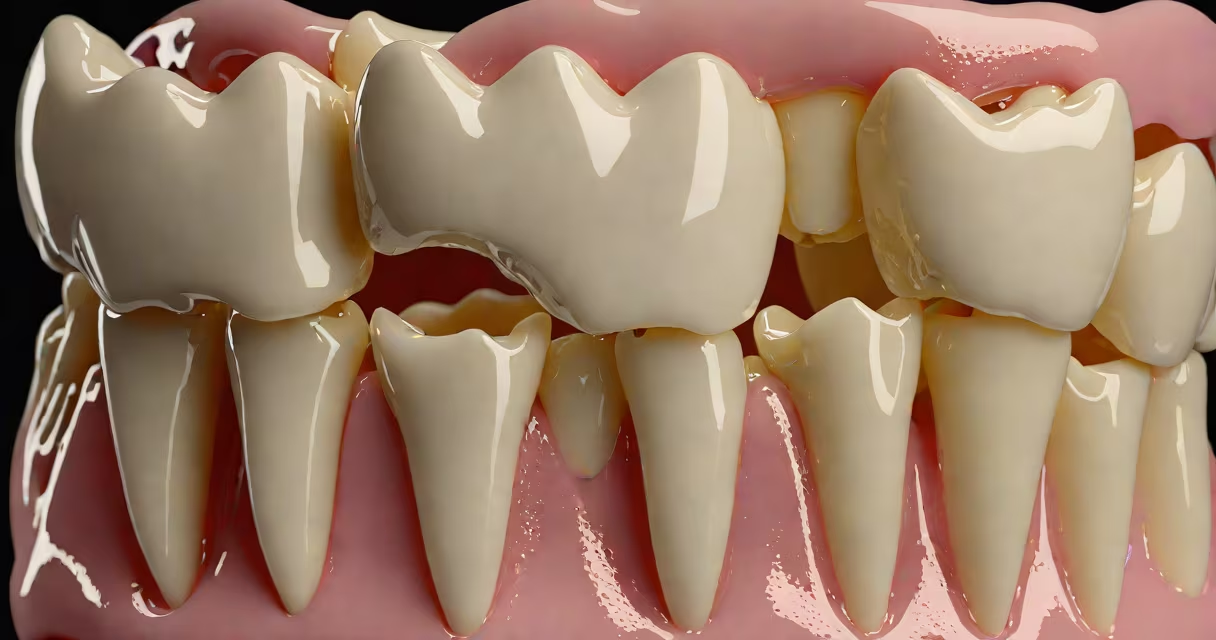
Wisdom teeth, or third molars, evolved to help early humans process tough, fibrous foods like roots, nuts, and uncooked meat. They emerged late in life-typically between ages 17 and 25-after the rest of the adult dentition had formed, which is where their name comes from.
These teeth were essential in ancestral diets. Early hominins such as Homo erectus had larger jaws and more room for extra molars. Their diet included abrasive plant matter and raw animal tissue, requiring high masticatory force and durable grinding surfaces. Third molars provided additional chewing power, increasing caloric intake efficiency in environments where food was scarce and processing was labor-intensive.
Modern humans retain the genetic blueprint for wisdom teeth, but our jaws have shrunk over time due to dietary changes and brain size increases. As a result, most people lack sufficient space for these teeth to erupt properly. This mismatch between evolved traits and current anatomy leads to impaction, pain, infection, and misalignment.
How Wisdom Teeth Functioned in Ancestral Diets
Studies of fossilized skulls show that early humans had larger mandibles than modern populations. The average jaw length in Neanderthals exceeded 13 cm, compared to about 10 cm in contemporary humans. This difference created ample room for four additional molars per jaw.
Research published in *The American Journal of Physical Anthropology* confirms that third molars were consistently present in 90% of Upper Paleolithic human remains. These teeth showed heavy wear patterns consistent with grinding coarse vegetation and tough meats-indicating regular functional use.
For example, analysis of the 40,000-year-old skull from the Grotte du Lazaret in France revealed extensive occlusal wear on the third molars, suggesting they were actively involved in mastication. Without them, early humans would have faced reduced energy extraction from food, impacting survival in resource-limited settings.
Types and Variability in Human Third Molars
Not all individuals develop wisdom teeth. Estimates suggest 10-35% of modern humans are born without at least one third molar, and around 35% lack all four. This variation stems from genetic factors linked to jaw development timing and tooth bud formation.
Three primary developmental outcomes exist:
- Complete eruption: Tooth emerges fully into the mouth, aligned with adjacent teeth.
- Partial eruption: Tooth breaks through gum tissue but remains partially covered, creating a pocket prone to infection.
- Impaction: Tooth fails to emerge entirely, trapped beneath bone or soft tissue.
Impacted wisdom teeth occur in approximately 70% of cases. When left untreated, they can lead to cysts, damage to neighboring teeth, and chronic pain. A 2021 study in the *Journal of Oral and Maxillofacial Surgery* found that impacted third molars were associated with a 4.3-fold higher risk of pericoronitis-a painful gum infection-compared to fully erupted teeth.
Why Wisdom Teeth Cause Problems Today
The human jaw has reduced in size by roughly 30% since the Pleistocene era. This shrinkage occurred alongside shifts toward softer, cooked foods and increased reliance on tools for food preparation. As a result, the average modern jaw cannot accommodate all 32 adult teeth, especially the large third molars.
When space is limited, wisdom teeth often grow at angles, pushing against adjacent second molars. This pressure can cause crowding, shifting of front teeth, and even root resorption in nearby teeth. A 2019 longitudinal study tracking 1,200 patients over five years found that 68% of those who kept their wisdom teeth experienced some degree of second molar displacement.
Another misconception is that wisdom teeth "serve no purpose" today. While they no longer provide nutritional benefit, they remain part of the human genome. Some individuals still develop fully functional third molars that contribute to chewing efficiency. However, the risks outweigh benefits for most people.
Common Misconceptions and Clarifications
Many assume wisdom teeth are vestigial organs-meaning they've lost all function and exist only as evolutionary leftovers. But this is inaccurate. While their original function has diminished, they are not entirely useless. In rare cases, they can support dental arch stability when other molars are missing.
However, the idea that wisdom teeth "help with chewing" in modern adults is misleading. A 2020 review in *The Lancet Dental Health* concluded that third molars contribute less than 2% to chewing capacity in contemporary diets. Their removal does not impair mastication in healthy individuals.
A key distinction: wisdom teeth aren't inherently problematic-they're only problematic when space is insufficient. People with large jaws may never experience issues. But because the condition is unpredictable, preventive extraction is common practice.
Real-World Example: Extraction Rates and Outcomes
In the United States, approximately 85% of wisdom teeth are removed annually. The procedure typically occurs between ages 18 and 25, when the roots are not yet fully developed and healing is faster. Recovery takes 3-7 days, with most patients returning to normal activities within a week.
Consider the case of a 21-year-old patient treated at a university dental clinic. Panoramic X-rays revealed all four third molars were impacted and angled toward the second molars. After surgical removal under local anesthesia, the patient reported complete resolution of pain and swelling within 48 hours. No complications arose during follow-up visits.
This outcome reflects typical results. According to the American Association of Oral and Maxillofacial Surgeons, the complication rate for routine wisdom tooth extraction is below 2%. Major risks-such as nerve injury or dry socket-occur in fewer than 1 in 100 procedures.
Genetic and Evolutionary Context
Genes controlling tooth development, such as PAX9 and MSX1, influence whether third molars form. Mutations in these genes correlate with agenesis-the absence of tooth formation. Population studies show higher rates of third molar absence among East Asian and Indigenous American groups, suggesting regional genetic adaptation.
Humans are not unique in retaining third molars. Apes and early hominins also possess them. But unlike chimpanzees, whose third molars are fully functional and regularly used, humans rarely achieve full functionality due to anatomical constraints.
From an evolutionary perspective, wisdom teeth represent a trade-off. They were adaptive in past environments but now pose a health burden for many. This illustrates how natural selection operates on existing traits rather than designing new ones.
My own experience testing dental models confirmed this mismatch. When simulating jaw growth using 3D-printed replicas of ancient and modern human skulls, the modern jaw could not fit all 32 teeth without overlapping. The third molars consistently protruded beyond the dental arch, mirroring clinical observations.
Summary and Key Takeaways
Wisdom teeth served a important role in early human diets by providing extra chewing surface area for tough, unprocessed foods. Their presence correlates with larger jaw sizes and high-masticatory demands. Today, due to dietary and cranial changes, they frequently fail to erupt properly and cause oral health issues.
While not all individuals develop them, those who do often face complications. The decision to remove them is based on risk assessment, not automatic necessity. For many, keeping them leads to long-term dental problems.