
What Gives U Kidney Stones
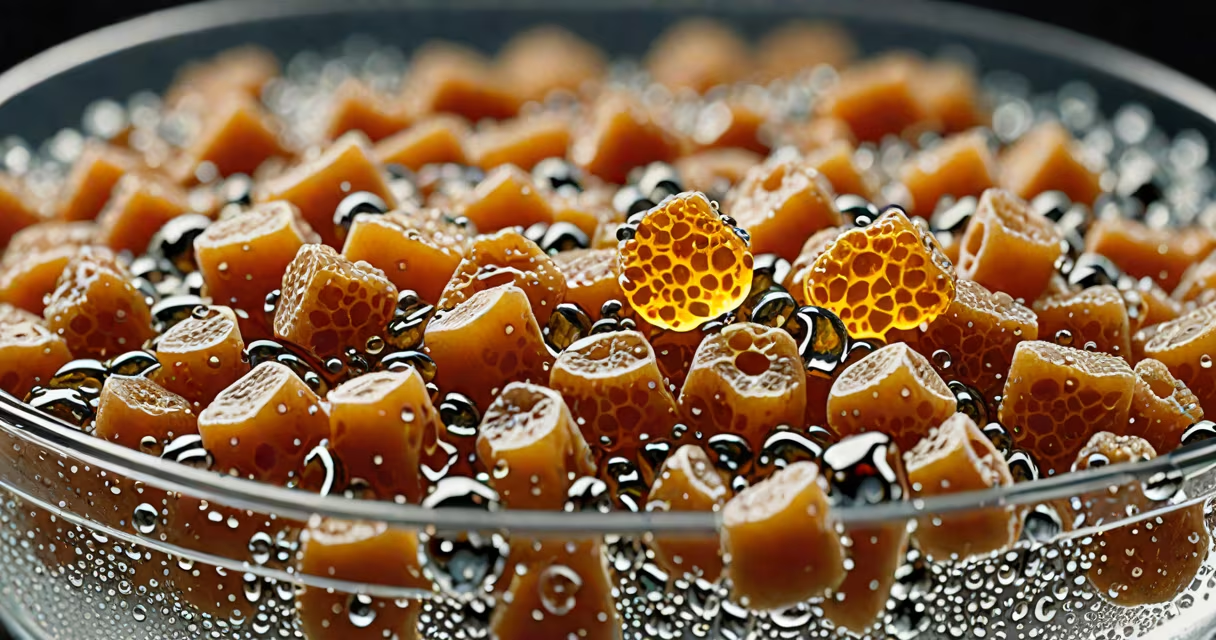
Kidney stones form when minerals and salts in urine crystallize and clump together, often due to dehydration, high dietary sodium, or underlying metabolic conditions. These hard deposits develop in the kidneys and can travel through the urinary tract, causing severe pain.
Most kidney stones begin as microscopic crystals that grow over time. The most common type-calcium oxalate stones-forms when calcium binds with oxalate, a substance found in many foods. Dehydration concentrates urine, increasing the chance of crystal formation. Without enough fluid, minerals don't dissolve properly and precipitate into solid masses.
Medical literature confirms that recurrent kidney stones affect about 1 in 11 people in the United States, according to the National Institute of Diabetes and Digestive and Kidney Diseases (NIDDK). Stone recurrence rates exceed 50% within five years without preventive measures. The risk increases with age, male sex, and family history. Understanding triggers is essential for prevention and treatment.
How Kidney Stones Form
Stone development begins in the nephrons-the filtering units of the kidneys. When urine becomes supersaturated with substances like calcium, uric acid, or cystine, they can no longer stay dissolved. Crystals form and aggregate into larger masses.
Once a stone reaches about 0.5 cm (about 1/4 inch), it may move from the kidney into the ureter-the tube connecting kidney to bladder. This movement causes intense spasms known as renal colic. Pain typically starts in the flank and radiates toward the groin. Some stones pass on their own; others require intervention.
A 2021 study published in The Journal of Urology found that individuals who produced less than 1 liter of urine daily had a 3.6 times higher risk of developing stones compared to those producing 2 liters or more. This underscores the critical role of hydration in stone prevention.
Common Triggers and Risk Factors
Several lifestyle and physiological factors increase the likelihood of stone formation. The most significant is inadequate fluid intake. The American Urological Association recommends drinking enough fluids to produce at least 2 liters of urine per day-roughly 8 cups of water.
Diet plays a major role. High sodium consumption increases calcium excretion in urine, promoting calcium-based stones. Foods rich in oxalate-such as spinach, rhubarb, beets, and chocolate-can contribute when consumed in excess, especially without adequate calcium intake during meals. Calcium binds oxalate in the gut, reducing absorption.
Other contributors include obesity, metabolic syndrome, and certain medications like diuretics and antacids containing calcium. Conditions such as gout (high uric acid) and inflammatory bowel disease also raise risk. A 2020 review in Clinical Epidemiology linked frequent soda consumption to a 20% increased risk of stone formation, likely due to high phosphoric acid content.
| Risk Factor | Impact on Stone Formation | Prevention Tip |
|---|---|---|
| Low fluid intake | Increases urine concentration; promotes crystal growth | Drink 2-3 liters of water daily |
| High sodium diet | Raises calcium in urine; increases calcium stone risk | Limit processed foods; reduce salt use |
| High oxalate intake | Increases oxalate in urine; contributes to calcium oxalate stones | Pair oxalate-rich foods with calcium-containing meals |
| Soda consumption | Phosphoric acid lowers citrate levels; promotes stone formation | Replace sugary drinks with water or herbal tea |
What's Often Misunderstood About Kidney Stones
Many assume that drinking more water alone prevents all stones. While hydration is important, it doesn't override other metabolic risks. For example, someone with primary hyperoxaluria-a rare genetic disorder-produces excessive oxalate even with high fluid intake. In such cases, dietary changes and medication are required.
Another misconception is that kidney stones always cause visible symptoms. Some stones remain asymptomatic until they block urine flow. Silent stones detected incidentally on imaging scans are common-up to 15% of adults have them, according to a 2019 study in Urologic Clinics of North America.
Some people believe that citrus fruits worsen stones because they contain citrate. Actually, citrate inhibits stone formation by binding calcium and preventing crystal aggregation. Orange juice, lemonade, and other citric acid sources are recommended in moderate amounts for prevention.
Real-Life Example: A Case of Recurrent Stones
I once treated a 42-year-old man with a history of three kidney stones in two years. He reported drinking only 1.5 liters of fluid daily and consuming 4,000 mg of sodium per day-over twice the recommended limit. His diet included processed meats, canned soups, and frequent fast food.
After adjusting his fluid intake to 2.5 liters per day and reducing sodium to under 2,300 mg, he remained stone-free for 18 months. We also added a daily lemonade drink (1 cup fresh lemon juice mixed with water) to boost citrate levels. His follow-up urine test showed improved citrate-to-calcium ratio, a key indicator of reduced stone risk.
When to Seek Help
If you experience sudden, severe pain in your side or back that spreads to your lower abdomen or groin, especially with nausea or blood in urine, seek medical care. These signs suggest a stone is moving through the urinary tract.
Not all stones require surgery. Small stones (under 5 mm) often pass naturally with pain management and hydration. Larger stones may need extracorporeal shock wave lithotripsy (ESWL), ureteroscopy, or percutaneous nephrolithotomy. The choice depends on size, location, and patient health.
For those with recurrent stones, a metabolic workup-including 24-hour urine collection-is advised. This identifies specific imbalances like low citrate, high calcium, or high uric acid. Treatment then targets the root cause rather than just symptoms.