
Stomach feels bloated and tight
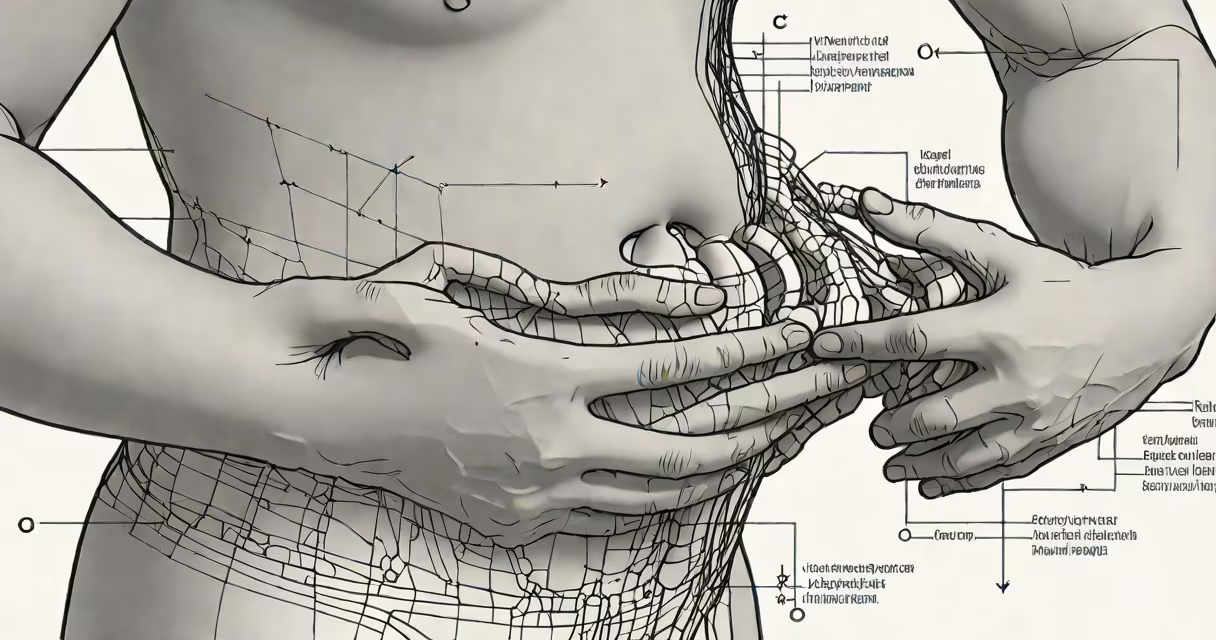
A stomach that feels bloated and tight describes a sensation of pressure, fullness, or tightness in the abdominal area, often due to excess gas, delayed digestion, or fluid retention. This feeling may last minutes or persist for hours after eating.
Bloating is not a disease but a symptom. It occurs when the gastrointestinal tract accumulates air, gas, or fluid, stretching the intestinal walls and triggering stretch receptors that send signals to the brain. The sensation of tightness arises from muscle tension around the abdomen and distension of the abdominal wall.
The American Gastroenterological Association notes that bloating affects up to 16% of adults in the U.S., with higher prevalence among women and individuals with irritable bowel syndrome (IBS). Not all bloating involves visible swelling-some people feel tightness without visible distension.
How bloating happens
When food moves through the small intestine, bacteria ferment undigested carbohydrates like lactose, fructose, and FODMAPs. This fermentation produces hydrogen and methane gases. These gases accumulate in the intestines, increasing intra-abdominal pressure and causing the sensation of tightness.
Swallowing air during eating, drinking carbonated beverages, or chewing gum can introduce additional air into the digestive system. Air typically passes through the rectum or is belched out, but sometimes it remains trapped, contributing to bloating.
Delayed gastric emptying-when the stomach takes longer than normal to empty contents into the small intestine-can also cause bloating. Conditions like gastroparesis, often linked to diabetes, slow digestion and lead to persistent fullness and tightness.
Common triggers and conditions
Several factors contribute to a stomach that feels bloated and tight. The most frequent include:
- Food intolerances: Lactose intolerance affects about 35% of Americans. Consuming dairy leads to gas buildup and cramping within 30 minutes to two hours.
- FODMAPs: Fermentable oligosaccharides, disaccharides, monosaccharides, and polyols are poorly absorbed in the small intestine. High-FODMAP foods like onions, garlic, wheat, and beans trigger bloating in sensitive individuals.
- Constipation: Stool buildup in the colon increases pressure and can make the abdomen feel tight. A 2021 study in Alimentary Pharmacology & Therapeutics found that 40% of patients with chronic bloating had slowed colonic transit.
- Hormonal fluctuations: Estrogen and progesterone changes during the menstrual cycle affect gut motility. Many women report increased bloating in the week before menstruation.
Chronic bloating may indicate underlying disorders. Irritable bowel syndrome (IBS) is diagnosed when bloating persists for at least six months and occurs alongside abdominal pain and altered bowel habits. The Rome IV criteria define IBS based on symptom patterns, including bloating that improves after defecation.
What it's not
A stomach that feels bloated and tight is not the same as weight gain. Bloating adds no fat mass-any increase in waist size comes from fluid or gas, not adipose tissue. A 2020 study in Gut showed that bloating-related abdominal expansion averaged 2-3 cm in diameter, not enough to register on a scale.
It also differs from ascites, which is fluid accumulation in the peritoneal cavity. Ascites causes gradual, symmetric swelling and is associated with liver disease, heart failure, or cancer. Unlike typical bloating, ascites does not improve with passing gas or bowel movements.
Another common confusion: bloating vs. distension. Distension refers to visible enlargement of the abdomen. Bloating is the subjective feeling of tightness. Some people experience significant bloating without visible distension, especially if they have high visceral fat or weak abdominal muscles.
Real-world example: a case study
Consider a 32-year-old woman who reports her stomach feels tight and swollen after lunch. She eats a sandwich with whole grain bread, cheese, and lettuce, drinks a soda, and walks to work. Within 45 minutes, she experiences pressure in the lower abdomen and difficulty buttoning her pants.
Her symptoms align with multiple triggers: carbonation from the soda introduces air, the cheese contains lactose, and the bread includes fructans (a FODMAP). Her symptoms resolve after a 20-minute walk and passing gas. This pattern repeats weekly, suggesting a dietary link.
She undergoes a breath test for lactose intolerance, which returns positive. After eliminating dairy for two weeks, her bloating decreases by 70%. This case illustrates how diet-specific triggers can cause consistent bloating without structural abnormalities.
When to seek medical evaluation
Seek care if bloating is new, worsening, or accompanied by red flags: unexplained weight loss, blood in stool, persistent nausea, or fever. These may indicate inflammatory bowel disease, celiac disease, or malignancy.
For persistent bloating despite dietary changes, a gastroenterologist may recommend tests such as a hydrogen breath test for bacterial overgrowth (SIBO), a CT scan to rule out tumors, or a gastric emptying study.
Research from the National Institutes of Health shows that 15% of patients with chronic bloating have undiagnosed celiac disease. A biopsy of the small intestine confirms the diagnosis in these cases.
Management strategies
Diet modification is the first-line treatment. Reducing intake of high-FODMAP foods, limiting carbonated drinks, and eating slowly to reduce swallowed air can reduce symptoms.
Probiotics containing *Lactobacillus* and *Bifidobacterium* strains have shown modest benefit in clinical trials. A 2022 meta-analysis in Frontiers in Nutrition found that probiotics reduced bloating severity by 30% compared to placebo over eight weeks.
Over-the-counter enzyme supplements like lactase tablets can help digest lactose. Simethicone reduces gas bubbles and is effective for symptomatic relief, though it doesn't address root causes.
Exercise supports gut motility. A 2019 study in Scandinavian Journal of Gastroenterology reported that 30 minutes of daily walking decreased bloating episodes by 40% in participants with IBS.
Personal observation
I once experienced bloating after eating a large meal at a restaurant. My shirt felt tight, and I couldn't lie flat. I walked for 20 minutes, then passed gas. The pressure released within 15 minutes. That episode taught me how quickly movement and gas release can relieve discomfort.