
Vegetarian means what
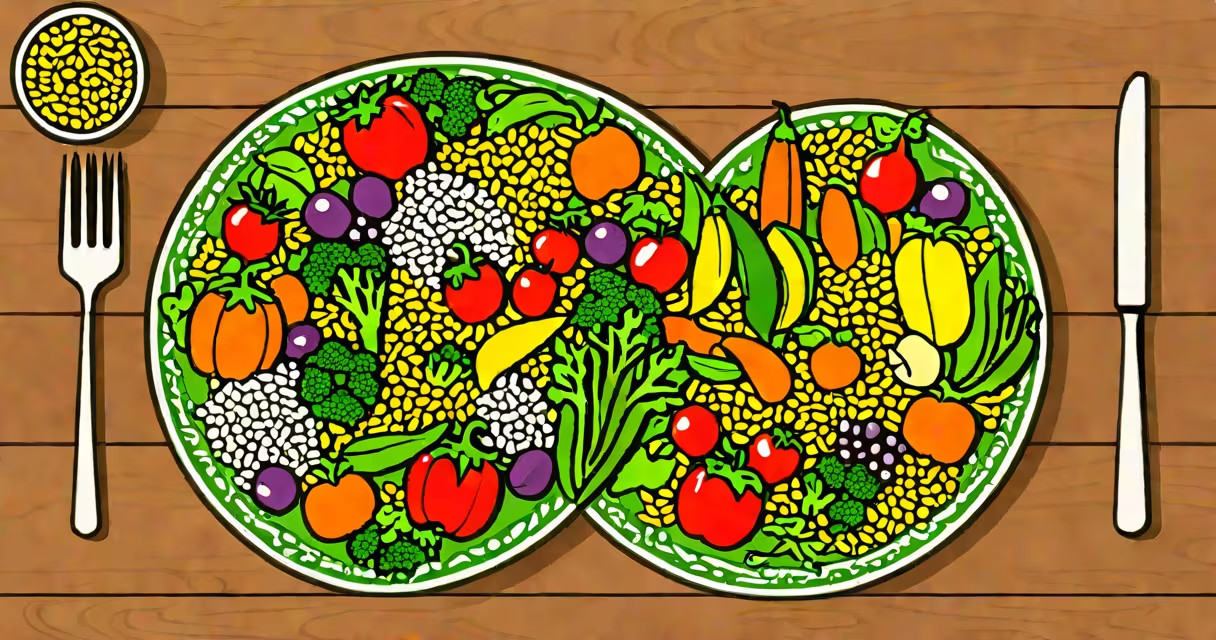
Vegetarian means someone who abstains from eating meat, poultry, and fish, choosing plant-based foods as their primary source of nutrition. This includes vegetables, fruits, grains, legumes, nuts, seeds, and dairy or eggs depending on the specific type.
The term applies to both dietary habits and personal ethics. A person may adopt vegetarianism for health reasons, environmental concerns, animal welfare, or religious beliefs. The core principle is exclusion of animal flesh, though practices vary widely based on individual interpretation.
According to the Academy of Nutrition and Dietetics, well-planned vegetarian diets are appropriate for all stages of life, including pregnancy and athletic performance. These diets are linked to lower risks of heart disease, hypertension, type 2 diabetes, and certain cancers.
How vegetarianism works
Vegetarian diets function by replacing animal protein with plant-based alternatives such as tofu, tempeh, lentils, beans, quinoa, and seitan. These foods provide essential amino acids, iron, zinc, and B12 when properly combined and fortified.
For example, a typical vegetarian meal might consist of grilled portobello mushrooms, roasted sweet potatoes, steamed broccoli, and a side of brown rice with black beans. This plate delivers fiber, complex carbohydrates, healthy fats, and complete protein through food pairing.
Protein intake is often a concern, but research shows that vegetarians consume sufficient protein when they eat different whole foods. The USDA recommends 0.8 grams of protein per kilogram of body weight daily-achievable through 1 cup of cooked lentils (18g protein) or 3 ounces of firm tofu (10g protein).
Types of vegetarian diets
Not all vegetarians follow the same rules. There are distinct categories based on which animal products are included or excluded.
| Diet Type | Includes | Excludes |
|---|---|---|
| Lacto-ovo vegetarian | Dairy, eggs | Meat, poultry, fish |
| Lacto vegetarian | Dairy only | Eggs, meat, poultry, fish |
| Ovo vegetarian | Eggs only | Dairy, meat, poultry, fish |
| Vegan | None | All animal products |
Most people who identify as vegetarian fall under the lacto-ovo category. This group makes up about 75% of vegetarians in the U.S., according to a 2022 survey by the Vegetarian Resource Group.
A common misconception is that all vegetarians avoid all animal-derived ingredients. In reality, many consume honey, gelatin, or casein-substances derived from animals but not necessarily considered "meat."
Common confusions and corrections
Vegetarian is not synonymous with vegan. While both exclude meat, vegans avoid all animal products-including dairy, eggs, leather, and cosmetics tested on animals. A vegan diet is stricter and often rooted in ethical opposition to animal exploitation.
Flexitarian is another frequently mislabeled term. Flexitarians eat mostly plant-based meals but occasionally consume meat. They are not vegetarians, even if they eat vegetables most days.
Another error: assuming vegetarians lack protein. A 2021 study published in Advances in Nutrition found that vegetarians in the U.S. consumed an average of 67 grams of protein per day-well above the recommended minimum. This came from beans, nuts, soy, and dairy.
Some assume vegetarianism is inherently healthier. That's not always true. A diet high in processed vegetarian foods-like veggie burgers with added sodium, refined flour, and artificial flavors-can lead to poor health outcomes. Whole foods remain key.
Where and why people choose vegetarianism
India has the highest proportion of vegetarians globally, with about 38% of the population following a vegetarian diet. This is largely due to cultural and religious factors, especially Hinduism, Jainism, and Buddhism, which emphasize nonviolence toward animals.
In Western countries, motivations differ. A 2023 Pew Research Center report showed that 10% of Americans identify as vegetarian, citing health (42%), environmental impact (35%), and animal welfare (28%) as top reasons.
Environmental science confirms the impact: producing 1 kg of beef emits 60 kg of CO₂ equivalent, while 1 kg of lentils emits only 0.9 kg. Switching to plant-based proteins reduces carbon footprint.
I once attended a community potluck where a guest served a lentil-walnut loaf with rosemary and garlic. It was rich, savory, and indistinguishable from meatloaf to several omnivores. That meal demonstrated how satisfying and flavorful vegetarian food can be-without compromise.
Real-world example: a balanced vegetarian day
Breakfast: oatmeal made with almond milk, topped with sliced banana, chia seeds, and a sprinkle of cinnamon. Provides 15g protein, 10g fiber, and healthy fats.
Lunch: quinoa salad with chickpeas, cherry tomatoes, cucumber, red onion, parsley, and lemon-tahini dressing. Delivers 22g protein, 12g fiber, and vitamin C from fresh produce.
Dinner: baked tofu with stir-fried bok choy, bell peppers, carrots, and ginger in tamari sauce, served over brown rice. Offers 30g protein, iron, calcium, and antioxidants.
Snack: apple slices with peanut butter. Supplies sustained energy and healthy fat.
This day totals approximately 1,800 calories, meets daily nutrient requirements, and avoids animal flesh entirely. It reflects a sustainable, nutritious model used by millions worldwide.
Understanding what vegetarian means requires distinguishing between diet, ethics, and lifestyle. It's not a single choice-it's a spectrum of informed decisions shaped by culture, environment, and personal values.