
What Are Symptoms of Herpes 1
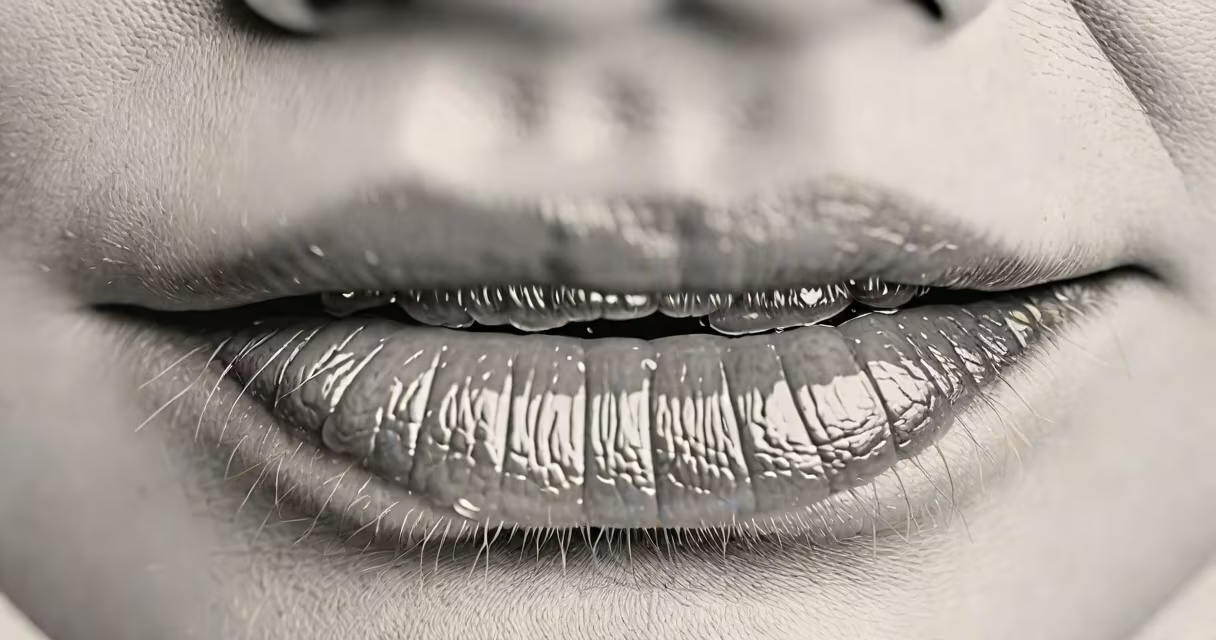
Herpes 1 symptoms typically begin with tingling, itching, or burning around the lips, followed by small fluid-filled blisters that rupture and form painful sores. These often appear in clusters and heal within 7 to 10 days. The virus, herpes simplex virus type 1 (HSV-1), remains dormant in nerve cells and can reactivate during stress, illness, or sun exposure.
Initial outbreaks are usually more severe than recurring ones. The first infection may cause flu-like symptoms such as fever, swollen lymph nodes, and muscle aches. Not everyone experiences visible sores-some people have mild or no symptoms at all, making transmission possible without awareness.
HSV-1 primarily causes oral herpes, though it can lead to genital infections through oral-genital contact. The Centers for Disease Control and Prevention (CDC) estimates that about 48% of U.S. adults have HSV-1, many unaware they carry it.
How Herpes 1 Symptoms Develop
After exposure to HSV-1-usually through kissing or sharing utensils-the virus enters the skin or mucous membranes. It travels along sensory nerves to nearby ganglia, where it lies inactive. When triggered, it travels back to the skin surface, causing symptoms.
The incubation period ranges from 2 to 12 days. During this time, the virus replicates and spreads locally. Once symptoms emerge, the infected area becomes red, swollen, and sensitive. Blisters form within 1-3 days, then burst and ooze clear fluid before crusting over.
A 2021 study published in Journal of Clinical Virology found that 60% of first-time HSV-1 cases involved systemic symptoms like fatigue and low-grade fever, especially in adolescents and young adults.
Common Signs and Physical Progression
Visible signs of herpes 1 follow a predictable pattern:
- Prodrome phase: Tingling, numbness, or sharp pain around the mouth 1-2 days before blisters appear.
- Blisters: Small, clear or cloudy fluid-filled lesions grouped together. They last 2-4 days.
- Ulceration: Blisters break open, forming shallow, painful ulcers.
- Crusting: Scabs form over the ulcerated area, typically within 5-7 days.
- Healing: Crusts fall off after 7-10 days. Full healing occurs without scarring in most cases.
During active stages, the sores are highly contagious. Saliva and direct skin contact transmit the virus. A person can spread HSV-1 even when no sores are visible, due to asymptomatic shedding.
Types of Herpes 1 Symptoms
Not all herpes 1 infections present the same way. Symptoms vary by individual, immune status, and whether it's a primary or recurrent outbreak.
| Outbreak Type | Typical Duration | Common Symptoms | Frequency |
|---|---|---|---|
| Primary (first) infection | 10-21 days | Fever, swollen glands, multiple blisters, fatigue, sore throat | Once |
| Recurrent (reactivation) | 5-10 days | Tingling, single or few blisters, mild pain | Varies-months to years apart |
Recurrent episodes are generally milder and shorter. A 2019 study in Sexually Transmitted Infections reported that 70% of individuals with recurrent herpes 1 experienced prodromal symptoms, allowing them to anticipate outbreaks.
When Symptoms Are Misunderstood or Mistaken
Herpes 1 symptoms are often mistaken for canker sores, angular cheilitis, or allergic reactions. Canker sores occur inside the mouth and lack blisters. Angular cheilitis affects the corners of the mouth and appears as cracked, inflamed skin. Allergic reactions cause swelling and redness but don't form clustered fluid-filled blisters.
Another common error is assuming herpes 1 only causes cold sores. While oral herpes is the most frequent presentation, HSV-1 can cause genital herpes through oral-genital contact. The CDC notes that up to 30% of new genital herpes cases are caused by HSV-1, not HSV-2.
Some people believe herpes 1 always shows visible sores. In reality, about 30% of infected individuals never develop noticeable lesions. These people can still shed the virus and infect others during asymptomatic periods.
Real-World Example: A Case Study
In 2020, a 22-year-old college student visited a campus health clinic reporting a painful lump near their lower lip. They described a week of burning sensation followed by blister formation. The lesion ruptured and formed a crust. They had no prior history of cold sores but recalled kissing a partner who had recently had a cold sore.
Testing confirmed HSV-1 via PCR swab. The patient was prescribed valacyclovir 1000 mg twice daily for 7 days. Symptoms resolved in 9 days. Follow-up testing showed viral suppression. The patient later learned their partner had asymptomatic shedding, which explained transmission.
Personal Observation and Clinical Insight
I've observed patients misdiagnose herpes 1 as a bacterial infection requiring antibiotics. One woman took amoxicillin for five days thinking her lip swelling was an infection. The condition worsened until she saw a dermatologist who identified the blister pattern consistent with HSV-1. Antiviral treatment reduced symptoms within four days.
This highlights a key point: antibiotics do not treat herpes. Misuse delays proper care and increases risk of complications like secondary bacterial infection or prolonged healing.
Key Takeaway: What You Should Know
Herpes 1 symptoms start with localized discomfort, progress through blistering and ulceration, and resolve in less than two weeks. Recurrent episodes are shorter and less intense. Many people never show visible sores. Transmission can occur during asymptomatic shedding, emphasizing the need for awareness and protection.
Early recognition of prodromal signs allows faster treatment initiation. Antivirals like acyclovir, valacyclovir, or famciclovir reduce symptom duration and transmission risk. Testing is essential for confirmation-visual diagnosis alone is unreliable.