
What Is a Respiratory Illness
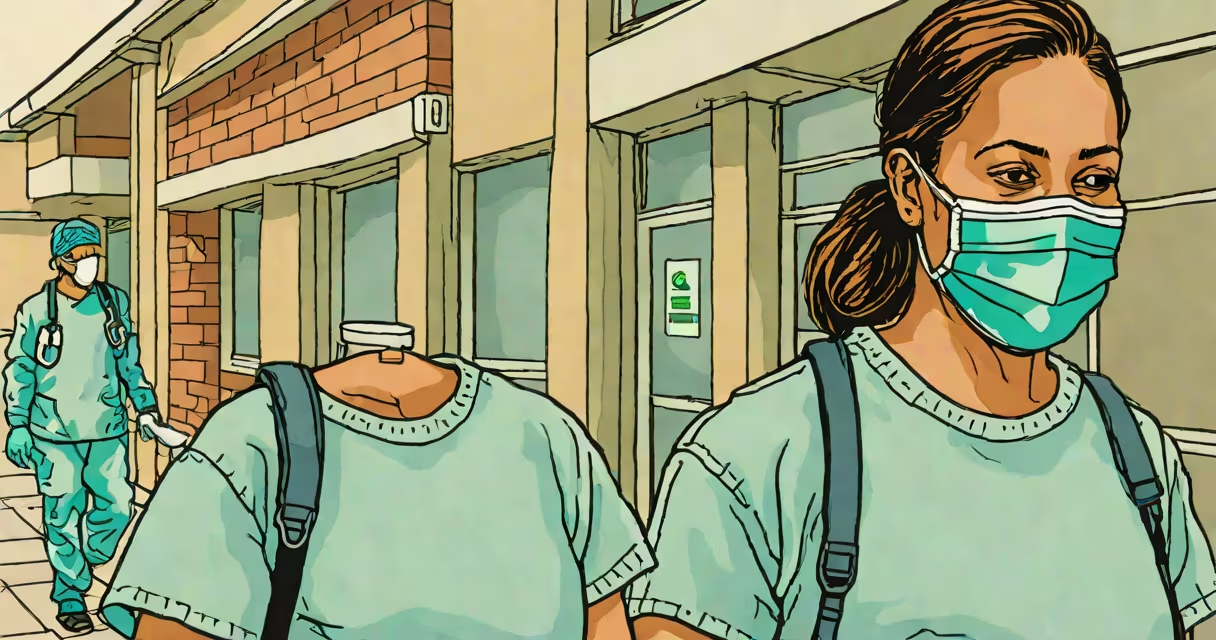
A respiratory illness is any condition that affects the lungs or airways, impairing breathing. These illnesses stem from infections, allergies, or exposure to irritants like smoke or pollution. They range from mild, short-term conditions like the common cold to severe, life-threatening diseases such as pneumonia or acute respiratory distress syndrome (ARDS).
Respiratory illnesses occur when pathogens invade the respiratory system-either through inhalation of airborne droplets or contact with contaminated surfaces. The body responds with inflammation, mucus production, and immune activation, leading to coughing, congestion, and difficulty breathing. Common causes include viruses like influenza, rhinovirus, and SARS-CoV-2, as well as bacteria such as Mycoplasma pneumoniae and environmental factors like dust or chemical fumes.
According to the Centers for Disease Control and Prevention (CDC), respiratory illnesses account for over 40 million outpatient visits annually in the United States. The World Health Organization (WHO) notes that lower respiratory tract infections remain a leading cause of death worldwide, particularly among children under five and adults over 65.
How Respiratory Illnesses Work
The respiratory system begins at the nose and mouth, extends through the trachea and bronchi, and ends in the alveoli-tiny air sacs in the lungs where oxygen and carbon dioxide exchange occurs. When pathogens enter this system, they bind to epithelial cells lining the airways and replicate. This triggers immune responses that cause swelling, increased mucus, and tissue damage.
Viruses often spread via aerosols-tiny particles expelled during coughing or talking. A single sneeze can release up to 40,000 droplets, many of which remain suspended in air for minutes. Bacteria may colonize damaged tissues, especially in individuals with weakened immunity or chronic conditions like COPD or asthma.
For example, during the 2022-2023 flu season, the CDC reported 14 million cases of influenza in the U.S., resulting in 100,000 hospitalizations and 11,000 deaths. Most cases were due to the H3N2 strain, which targets ciliated cells in the upper airway, disrupting mucociliary clearance-the natural mechanism for removing debris and microbes.
Types and Causes of Respiratory Illness
Respiratory illnesses fall into two broad categories based on location: upper and lower respiratory tract involvement.
| Type | Location | Common Causes | Typical Symptoms |
|---|---|---|---|
| Upper respiratory illness | Nose, sinuses, pharynx, larynx | Rhinovirus, influenza, adenovirus | Sore throat, runny nose, congestion, hoarseness |
| Lower respiratory illness | Bronchi, bronchioles, alveoli | Pneumococcus, Mycoplasma, SARS-CoV-2, tuberculosis | Cough, fever, shortness of breath, chest pain |
Upper respiratory illnesses are usually self-limiting and resolve within 7-10 days. Lower respiratory infections often require medical intervention. Pneumonia, for instance, develops when alveoli fill with fluid or pus, reducing oxygen transfer. The WHO estimates that pneumonia kills nearly 1.3 million children under five each year globally.
Non-infectious causes include asthma, chronic obstructive pulmonary disease (COPD), and interstitial lung diseases. These conditions involve long-term inflammation or structural changes in lung tissue. For example, smoking damages cilia in the airways, increasing susceptibility to bacterial colonization and recurrent bronchitis.
Where and Why Respiratory Illnesses Occur
Respiratory illnesses thrive in crowded, poorly ventilated spaces. Schools, nursing homes, and public transit systems are high-risk environments due to sustained close contact and limited airflow. During winter months, indoor heating reduces humidity, drying out nasal membranes and weakening their barrier function against pathogens.
High-risk groups include infants, elderly adults, people with compromised immune systems, and those with pre-existing lung or heart conditions. A 2021 study published in *The Lancet* found that individuals with diabetes had a 2.3 times higher risk of severe outcomes from respiratory infections compared to healthy controls.
Environmental exposures also contribute. Air pollution from vehicle emissions increases the incidence of bronchitis and exacerbates asthma. In urban areas like Los Angeles and Delhi, daily PM2.5 levels above 35 µg/m³ correlate with a 15% rise in emergency room visits for respiratory distress.
Common Misconceptions and Clarifications
Many assume that all respiratory illnesses are contagious. While viral and bacterial forms spread easily, conditions like idiopathic pulmonary fibrosis or sarcoidosis are not infectious. They result from autoimmune reactions or unknown triggers and cannot be passed between people.
Another misconception is that antibiotics treat all respiratory infections. Antibiotics only work against bacterial infections. Using them for viral illnesses like the common cold leads to antibiotic resistance-a growing global health threat. The CDC reports that over 2.8 million antibiotic-resistant infections occur annually in the U.S., causing more than 35,000 deaths.
Some confuse a respiratory illness with a respiratory infection. An infection implies the presence of a pathogen. A respiratory illness may result from non-infectious causes such as allergens or pollutants. For example, someone exposed to wildfire smoke may develop coughing and wheezing-symptoms of a respiratory illness-but no infection is present.
Real-World Example: The 2020-2021 Respiratory Syncytial Virus Surge
In late 2020, during the height of the SARS-CoV-2 pandemic, a surge in respiratory syncytial virus (RSV) cases occurred in children under two. Normally, RSV circulates in fall and winter, but lockdowns and reduced social contact suppressed community transmission. When restrictions eased, children lacked prior exposure and developed more severe symptoms.
Hospitals in Texas and California reported a 40% increase in pediatric RSV admissions compared to pre-pandemic averages. Infants required supplemental oxygen and intensive care due to bronchiolitis-an inflammation of the small airways. This event demonstrated how altered exposure patterns can amplify the impact of seasonal respiratory illnesses.
During a visit to a pediatric clinic in Denver, I observed a 10-month-old infant with rapid breathing, grunting, and low oxygen saturation. After testing confirmed RSV, the child was admitted for oxygen therapy and hydration. Recovery took five days. This case illustrates how even typically mild viruses can lead to serious complications in vulnerable populations.
Understanding what is a respiratory illness enables better prevention, early detection, and appropriate treatment. Recognizing symptoms early-especially persistent cough, fever, or breathing difficulty-can reduce complications. Vaccination, hand hygiene, and avoiding crowded indoor spaces during peak seasons are effective protective measures.