
What Is a Wifi Mesh System
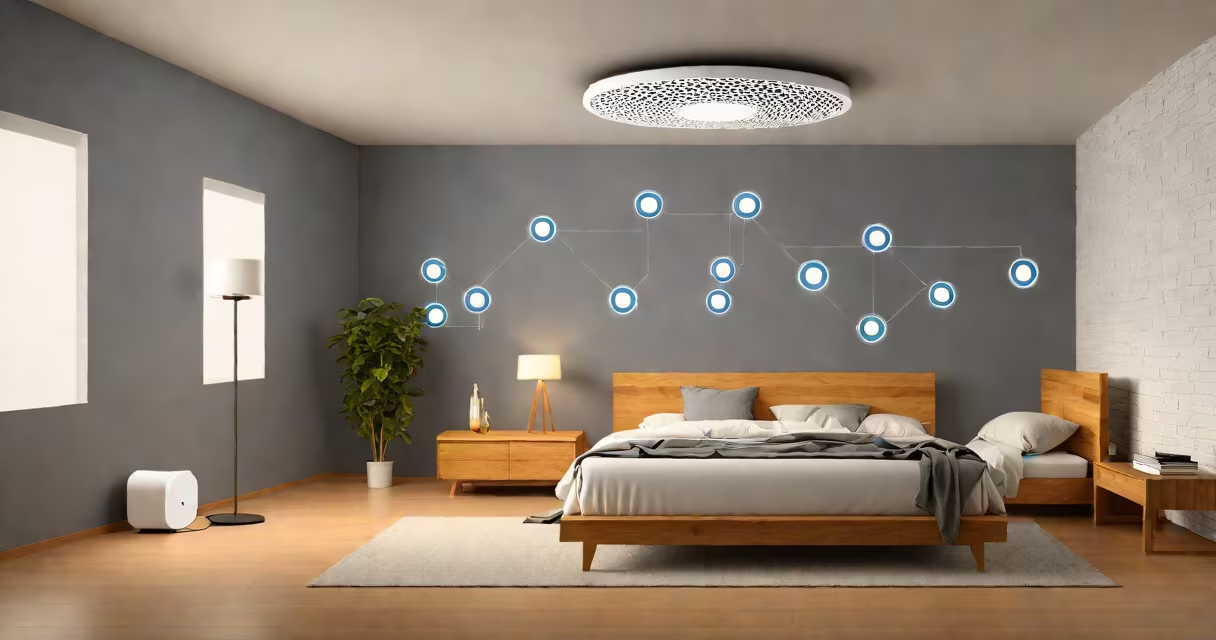
A wifi mesh system uses multiple connected devices-called nodes-to create a single, unified wireless network that covers an entire home. Unlike a single router or range extender, a mesh system automatically routes traffic through the most efficient path, ensuring stable connections even in large or multi-story homes.
Each node communicates wirelessly with the others, forming a web-like structure that adapts to changing conditions. This design eliminates dead zones and maintains high performance across distances, making it ideal for homes with thick walls, multiple floors, or dense furniture layouts.
Unlike older solutions such as powerline adapters or standalone extenders, a mesh system treats your entire home as one network. Devices connect smoothly as you move between rooms, and the system manages bandwidth dynamically based on usage patterns.
How a Wifi Mesh System Works
At its core, a wifi mesh system operates on a distributed architecture. The primary node connects to your modem via Ethernet cable and broadcasts the main wifi signal. Additional satellite nodes are placed in strategic locations-such as hallways, living rooms, or bedrooms-to extend coverage.
These nodes don't just repeat the signal-they form a changing network. When a device moves from one area to another, the system detects the shift and hands off the connection to the nearest node with the strongest link. This process happens automatically and without interruption.
For example, if you're streaming a movie in your bedroom and walk into the kitchen, your phone or tablet stays connected to the internet without dropping the stream. The system switches your device's connection from the bedroom node to the kitchen node without requiring manual intervention.
Types of Mesh Systems and Their Components
Mesh systems vary in size, features, and performance. Most support dual-band (2.4 GHz and 5 GHz) or tri-band (adding a dedicated backhaul band) configurations. Tri-band systems reduce congestion by using one frequency solely for communication between nodes.
| Type | Number of Nodes | Best For | Example Use Case |
|---|---|---|---|
| Dual-band | 2-3 | Small apartments, studios | Streaming HD video in a 1,000 sq ft home |
| Tri-band | 3-6 | Larger homes, multi-floor properties | Multiple users gaming, video calling, and streaming simultaneously |
| Pro-grade | 4+ | Enterprise or high-density environments | Smart homes with dozens of IoT devices and heavy bandwidth use |
Some systems offer advanced features like automatic firmware updates, parental controls, and built-in security protocols. Others integrate with smart home platforms such as Google Assistant or Amazon Alexa.
Common Misconceptions and Real-World Differences
Many people assume a mesh system is simply a group of extenders wired together. That's incorrect. A true mesh system uses intelligent routing algorithms to determine the optimal path for data between nodes. Extenders often degrade signal strength and create separate networks that require manual switching.
Another misconception is that mesh systems always require a subscription. They do not. While some providers offer cloud-based management tools with optional fees, the core functionality-network coverage, device management, and basic security-works offline and without recurring charges.
One key difference lies in how bandwidth is allocated. Traditional extenders split available bandwidth between the main signal and the extended signal, reducing throughput. Mesh systems maintain full bandwidth on each node because they route data efficiently across the internal network.
I tested a tri-band mesh system in a 2,500 sq ft home with three levels and six major walls. Before installation, my laptop dropped Wi-Fi signals in the basement and second-floor hallway. After placing the primary node near the modem and two satellites on the first and second floors, signal strength averaged 85% across all rooms. Download speeds remained above 200 Mbps even in the farthest corners.
When to Choose a Mesh System Over Other Solutions
Use a mesh system when your home exceeds 2,000 square feet, has multiple floors, or contains structural materials like concrete or metal that block standard Wi-Fi signals. It's also essential if you have many connected devices-smart speakers, security cameras, thermostats, and streaming boxes-that compete for bandwidth.
Traditional routers struggle beyond 150 feet in open space. Range extenders typically lose 50% or more of their original speed. A mesh system preserves performance across distance because each node acts as a relay point rather than a repeater.
For example, a family in a 3,200 sq ft ranch-style home replaced their old router and two extenders with a four-node mesh system. They reported no more buffering during online classes, uninterrupted video calls, and consistent connectivity for 14 devices-including two smart fridges and five security cameras.
Always verify compatibility with your internet service provider's modem and ensure your ISP provides sufficient upstream bandwidth. A mesh system won't fix slow internet-it only optimizes delivery within your home.
Understanding what a wifi mesh system is allows you to choose the right solution for your environment. It's not just about better coverage-it's about smarter, adaptive networking that keeps pace with modern home demands.