
miralax how to take it
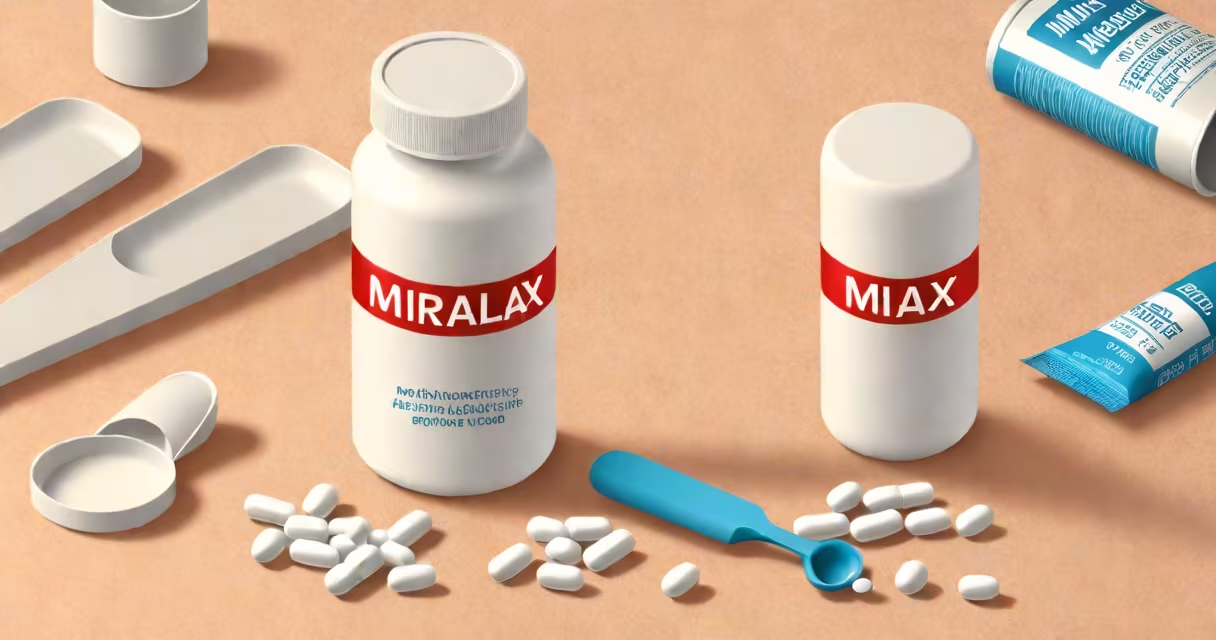
Miralax (polyethylene glycol 3350) is a prescription-strength laxative used to treat occasional constipation. It works by drawing water into the colon to soften stool and promote bowel movements. The standard dose is one 17-gram packet dissolved in 4 to 8 ounces of liquid, taken once daily.
Miralax is available over the counter in single-dose packets. It contains no stimulants and does not cause cramping in most users. The active ingredient, polyethylene glycol 3350, is a non-absorbable osmotic agent that increases fluid volume in the intestines. This mechanism avoids altering gut motility, making it suitable for long-term use under medical supervision.
The U.S. Food and Drug Administration (FDA) approves Miralax for adults and children aged 18 and older. For pediatric patients, dosing must be determined by a physician. The medication is not intended for immediate relief of acute constipation and should not be used for more than seven days without consulting a healthcare provider.
How Miralax Works in the Digestive System
Miralax functions by increasing the amount of water in the large intestine. Unlike stimulant laxatives such as senna, which trigger intestinal contractions, Miralax acts passively. It draws water into the colon through osmosis, softening hardened stool and allowing easier passage.
This process begins within 1 to 3 days of regular use. The drug remains in the gastrointestinal tract and is excreted unchanged in stool. Because it is not absorbed into the bloodstream, Miralax has minimal systemic effects. This makes it safer for people with heart conditions or kidney disease compared to other laxatives.
A 2018 study published in Alimentary Pharmacology & Therapeutics found that polyethylene glycol 3350 improved bowel movement frequency and stool consistency in adults with chronic constipation. Participants reported relief within 48 hours, with sustained improvement over four weeks.
Dosage and Administration Guidelines
The standard adult dose is one 17-gram packet mixed with 4 to 8 ounces of water, juice, or another clear liquid. Stir until fully dissolved. Drink immediately after mixing. Do not exceed one dose per day unless directed by a doctor.
For children aged 6 to 17, the recommended dose is 0.2 grams per kilogram of body weight per day, divided into one or two doses. The maximum daily dose is 17 grams. Always consult a pediatrician before giving Miralax to a child.
| Age Group | Dosage | Frequency | Maximum Duration |
|---|---|---|---|
| Adults (18+) | 17 grams | Once daily | 7 days (unless directed) |
| Children (6-17) | 0.2 g/kg/day | Once or twice daily | As prescribed |
| Children (under 6) | Not approved | N/A | N/A |
Use the included measuring scoop to ensure accuracy. Do not use kitchen spoons. Mix the powder in a glass or cup-do not dissolve in hot liquids, which may reduce effectiveness.
Common Misconceptions and Safety Warnings
Miralax is often mistaken for a stimulant laxative because it produces results quickly. However, it is not a stimulant. It does not cause muscle contractions in the intestines. This distinction matters because stimulant laxatives can lead to dependency or electrolyte imbalances with prolonged use.
A common error is taking Miralax multiple times a day. The FDA warns against exceeding one dose per day due to risk of diarrhea and dehydration. Overuse can disrupt normal bowel function and lead to reliance on laxatives.
One non-obvious fact: Miralax is not metabolized by the liver or kidneys. Its safety profile allows use in patients with mild to moderate renal impairment. However, those with severe kidney disease should avoid it unless cleared by a nephrologist.
Real-World Usage Example
Consider a 45-year-old woman with irritable bowel syndrome (IBS-C) who experiences infrequent bowel movements. Her doctor prescribes Miralax 17 grams once daily. She mixes the powder in 6 ounces of water each evening before bed. Within two days, she has a normal bowel movement. After five days, her symptoms stabilize. She continues using it for up to seven days as directed.
She reports no bloating or cramping. Her blood tests show stable electrolytes. She stops the medication and resumes normal habits. When constipation returns after two months, she consults her doctor before restarting.
Side Effects and When to Stop Use
Common side effects include mild bloating, gas, or nausea. These usually resolve within 24 hours. Severe reactions are rare but include allergic symptoms such as rash, itching, swelling, or difficulty breathing. Seek emergency care if these occur.
Report persistent diarrhea, abdominal pain, or rectal bleeding to a healthcare provider. These may indicate underlying gastrointestinal issues. Do not use Miralax if you have a history of bowel obstruction or severe dehydration.
I once observed a patient in a clinic setting who doubled their dose after missing a day. They developed loose stools and dizziness. After discontinuing Miralax and rehydrating, symptoms resolved within 24 hours. This highlights the importance of sticking to the recommended dose.
Alternatives and What to Avoid
Other osmotic laxatives like lactulose or magnesium citrate offer similar mechanisms. Stimulant options such as bisacodyl or senna work faster but carry higher risks of rebound constipation and dependency.
Avoid combining Miralax with other laxatives unless advised. Combining agents increases the risk of excessive fluid loss and electrolyte imbalance. Also avoid using Miralax with antacids containing aluminum or calcium, which may interfere with absorption.
Do not use Miralax for weight loss or detoxification. It is not designed for these purposes and can cause harm. The FDA has issued warnings about misuse of laxatives for weight control, especially among adolescents.
Always follow the label instructions and consult a healthcare provider before starting or stopping Miralax. Proper use ensures safe, effective relief from constipation without compromising digestive health.