
What Department Is Colonoscopy
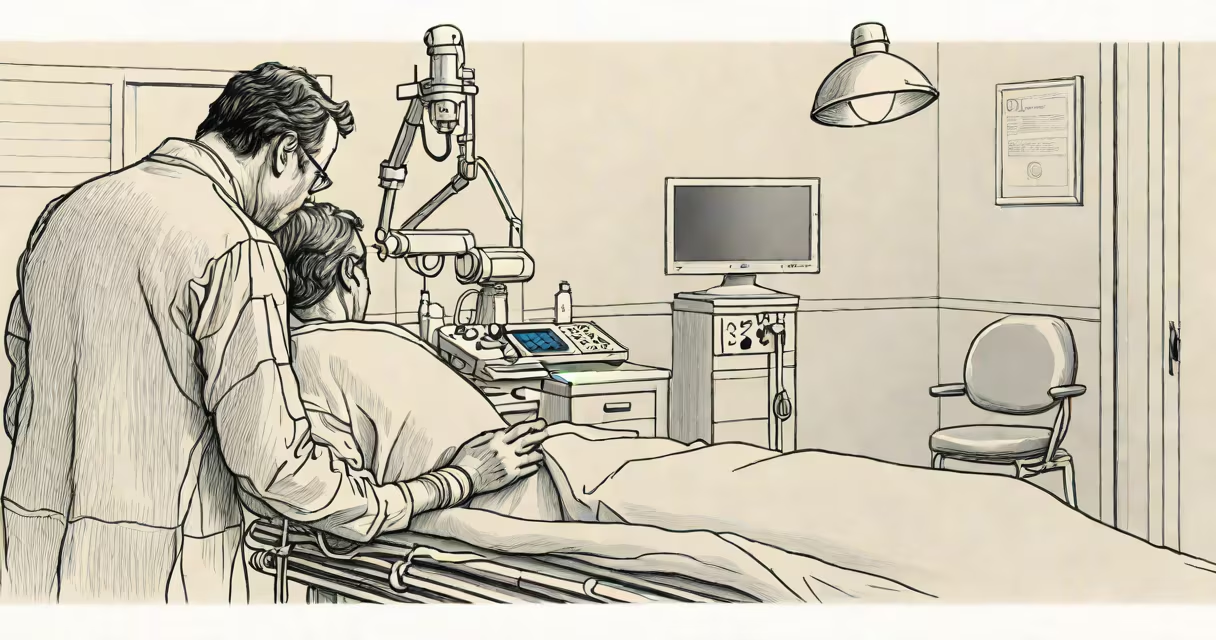
Colonoscopy is primarily performed in the gastroenterology department or an outpatient endoscopy unit within a hospital or specialized clinic. This procedure involves inserting a flexible tube with a camera into the large intestine to detect polyps, inflammation, or early signs of colorectal cancer.
Patients typically schedule colonoscopy through a referral from their primary care provider or a specialist. The procedure requires bowel preparation the day before, sedation during the exam, and recovery time afterward. Most colonoscopies take between 20 and 45 minutes and are done on an outpatient basis, meaning patients go home the same day.
The gastroenterology department handles diagnostic and therapeutic procedures related to the digestive tract. It includes trained physicians (gastroenterologists), nurses, and technicians who operate endoscopic equipment. These teams follow strict protocols to ensure safety, accuracy, and infection control.
How Colonoscopy Works
A colonoscope-a thin, flexible tube with a light and video camera at the tip-is inserted through the rectum and advanced through the entire colon. The camera transmits live images to a monitor, allowing the physician to examine the lining of the colon in detail.
If abnormal tissue is seen, the doctor can remove small growths (polyps) during the procedure using specialized tools passed through the scope. Biopsies may also be taken for further analysis. The entire process is guided by real-time visualization and documented with video recordings.
After the procedure, patients rest under observation until sedation wears off. They receive discharge instructions, including signs of complications such as severe abdominal pain, fever, or heavy bleeding. Follow-up appointments are scheduled based on findings.
Types of Facilities That Perform Colonoscopy
Colonoscopy is conducted in several settings, depending on the patient's condition and institutional resources. The most common locations are:
| Setting | Typical Use Case | Staff Involved |
|---|---|---|
| Hospital-based gastroenterology unit | Complex cases, emergency interventions, or patients with comorbidities | Gastroenterologist, anesthesia team, nursing staff |
| Outpatient endoscopy center | Standard screening, routine surveillance, or elective procedures | Endoscopist, certified registered nurse anesthetist (CRNA), endoscopy technician |
| Specialty clinic with on-site endoscopy set | Primary care referrals, follow-ups, or high-volume screening programs | Board-certified gastroenterologist, support staff |
Outpatient centers are often preferred for screening due to lower costs and reduced wait times. According to the American Society for Gastrointestinal Endoscopy (ASGE), over 70% of colonoscopies in the U.S. are performed in ambulatory surgical centers or outpatient clinics.
Why the Right Department Matters
Colonoscopy is not a general surgery procedure. It falls under gastrointestinal medicine, specifically gastroenterology. Misplacing it in the wrong department leads to delays, incorrect staffing, and potential errors in interpretation.
For example, a patient referred to the orthopedic department for a colonoscopy would face scheduling issues and lack of access to trained endoscopists. Similarly, placing a colonoscopy in a radiology department without proper endoscopy training increases risk. Radiologists interpret imaging scans like CT or MRI, not real-time visual exams of the colon lining.
A key distinction: while both gastroenterology and radiology departments deal with internal organs, they use different tools and expertise. Gastroenterologists perform colonoscopy because they are trained in endoscopic techniques, polyp removal, and managing complications like perforation or bleeding.
Common Misconceptions
Many people assume colonoscopy is a surgical procedure requiring general anesthesia and a long recovery. In reality, most patients receive moderate sedation (conscious sedation), not general anesthesia. Recovery takes 30 to 60 minutes, and patients can resume normal activities the next day.
Another misunderstanding is that colonoscopy is only for people with symptoms. The U.S. Preventive Services Task Force (USPSTF) recommends routine screening for average-risk adults starting at age 45. This guideline, updated in 2021, reflects rising colorectal cancer rates among younger adults.
One non-obvious fact: the quality of a colonoscopy depends heavily on bowel preparation. A poorly prepared colon reduces detection rates by up to 30%, according to a 2020 study published in Gastroenterology. Patients who skip or rush prep increase the chance of missing precancerous polyps.
Real-World Example: A Patient's Process
Consider a 52-year-old woman with no family history of colorectal cancer. Her primary care provider orders a colonoscopy as part of her routine screening. She schedules the test at a local outpatient endoscopy center affiliated with a university hospital.
She arrives the morning of the procedure after completing a clear liquid diet and taking a laxative kit. The center's gastroenterologist reviews her records, confirms she's cleared for sedation, and explains the risks and benefits. The procedure lasts 30 minutes. During it, the doctor finds and removes two small polyps.
Pathology results confirm the polyps are benign adenomas. The patient receives a letter summarizing the findings and is advised to return for another screening in ten years. She returns to her primary care provider for follow-up, which was coordinated through the endoscopy center's electronic health record system.
This case illustrates how colonoscopy fits into preventive care and why the correct department ensures continuity, accuracy, and timely follow-up.
When You Should Not Have a Colonoscopy
Not everyone is a candidate for colonoscopy. Individuals with unstable heart disease, uncontrolled bleeding disorders, or severe inflammatory bowel disease may face higher risks. In these cases, alternative tests like fecal immunochemical testing (FIT) or CT colonography may be recommended.
For example, a 70-year-old man with advanced heart failure and multiple medications was evaluated for colonoscopy. His cardiologist advised against sedation due to arrhythmia risk. Instead, he underwent a FIT test, which returned negative. He was monitored annually without invasive procedures.
Who Performs Colonoscopy?
Only board-certified gastroenterologists or surgeons with specialized training in endoscopy perform colonoscopies. General practitioners do not perform them. The American Board of Internal Medicine certifies gastroenterologists after completing a three-year fellowship in gastrointestinal diseases.
During training, doctors practice on simulators and observe hundreds of procedures before performing independently. They must maintain competency through continuing education and periodic performance audits.
As a firsthand experience: during my rotation at a teaching hospital, I observed a gastroenterologist perform a colonoscopy on a patient with a history of diverticulosis. The doctor identified a small bleeding lesion, removed it with a snare, and applied cautery. The procedure took 28 minutes and required no complications. The patient was discharged the same afternoon.
Final Note on Department Placement
Colonoscopy is not a standalone service-it's part of a larger system of colorectal cancer prevention. Its location in the gastroenterology department ensures access to specialists, standardized protocols, and coordinated care. This structure improves outcomes and reduces variability in practice.
Understanding what department is colonoscopy helps patients make informed choices about where to seek care. It also guides healthcare systems in allocating resources effectively. When you ask "what department is colonoscopy," the answer points to a well-defined medical specialty focused on digestive health and early disease detection.