
Severe pain in left hip
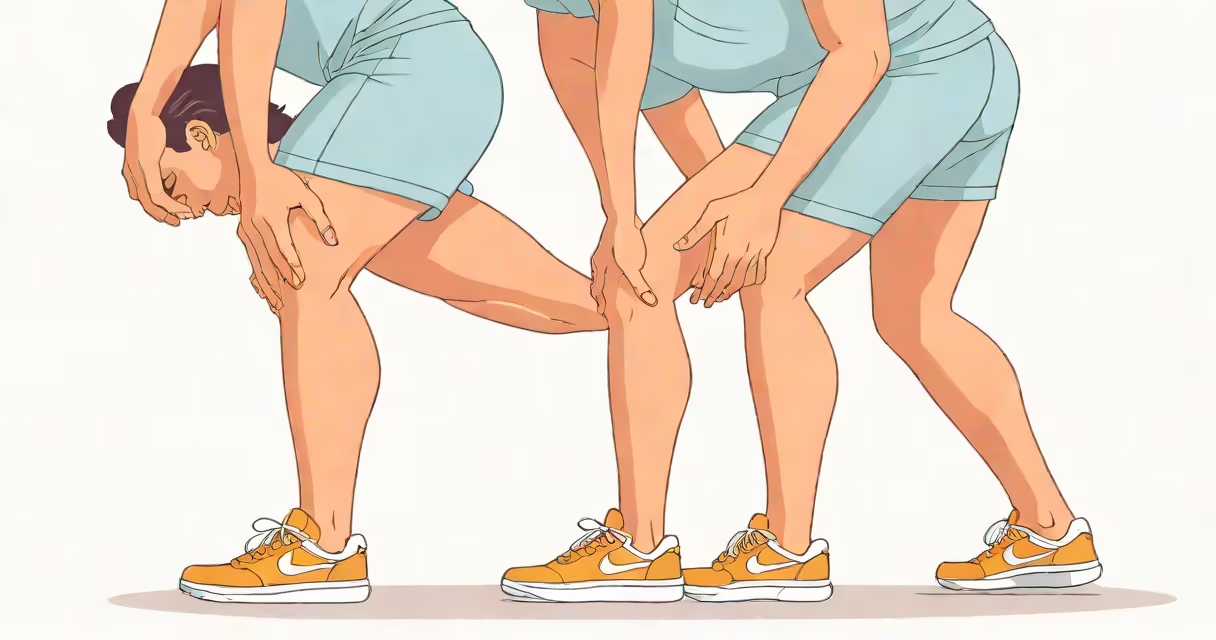
Severe pain in left hip refers to sharp, persistent, or debilitating discomfort localized to the left hip joint or surrounding area, often limiting mobility and affecting daily activities. It may originate from bone, muscle, tendon, nerve, or joint issues and typically requires prompt evaluation to rule out serious underlying conditions.
The hip joint connects the femur to the pelvis and bears body weight during movement. Pain in this region arises when structures involved in stability, motion, or sensation are disrupted. Common sources include arthritis, muscle strain, nerve compression, or structural abnormalities. The location of the pain-front, side, back, or groin-helps narrow the cause.
For example, pain in the front of the left hip near the groin may indicate femoroacetabular impingement (FAI), a condition where bone spurs restrict joint motion. A 2021 study published in Arthritis & Rheumatology found FAI affects approximately 10% of adults under 50 with hip pain, often misdiagnosed as muscle strain.
How severe pain in left hip develops
Pain in the left hip typically results from mechanical stress, inflammation, or neurological disruption. Repetitive motion, trauma, or degenerative changes over time can damage cartilage, tendons, or nerves. When the hip's load-bearing capacity is compromised, pain signals travel through the sciatic nerve or local sensory nerves to the brain.
For instance, piriformis syndrome-a condition where the piriformis muscle spasms and compresses the sciatic nerve-can cause radiating pain from the lower back through the buttock and down the back of the thigh. This mimics sciatica but originates in the hip region. A 2020 review in Neurological Sciences reported that 15% of patients with sciatica symptoms had piriformis-related pain, not disc herniation.
Another mechanism involves osteoarthritis, which wears down cartilage in the hip joint. As the joint space narrows, bones rub against each other, causing pain, stiffness, and reduced range of motion. The American Academy of Orthopaedic Surgeons notes that osteoarthritis affects over 30 million Americans, with the hips being a frequent site of involvement.
Types and common causes
Conditions causing severe pain in left hip fall into several categories based on origin:
| Type | Common Causes | Typical Symptoms | Diagnostic Clue |
|---|---|---|---|
| Joint-related | Osteoarthritis, rheumatoid arthritis, avascular necrosis | Dull ache, stiffness worse in the morning, pain with weight-bearing | X-ray shows joint space narrowing or bone deformity |
| Soft tissue | Hip bursitis, hamstring strain, iliotibial band syndrome | Sharp pain on the outer hip, worsened by walking or lying on the side | Tenderness over the greater trochanter; positive FABER test |
| Nerve-related | Sciatica, piriformis syndrome, lumbar radiculopathy | Burning or electric-like pain radiating down the leg, numbness | Positive straight leg raise test; MRI shows nerve root compression |
| Structural | Femoroacetabular impingement, labral tear, stress fracture | Sudden onset, deep ache, clicking or locking sensation | MRI or CT scan reveals structural abnormality |
One non-obvious distinction: pain from hip bursitis typically flares when lying on the affected side or climbing stairs. In contrast, pain from a labral tear often occurs during rotational movements like turning in bed or getting in/out of a car. These differences guide clinical assessment.
Where and why it's used in diagnosis
Healthcare providers assess severe pain in left hip using physical exams, imaging, and symptom patterns. They begin by asking about onset, duration, triggers, and associated symptoms such as numbness, weakness, or fever.
For example, a patient reporting sudden, intense pain after a fall may have a stress fracture. A 2019 study in The Journal of Bone and Joint Surgery found that stress fractures in the femoral neck occur in 1 in 1,000 adults annually, especially in those with low bone density or recent activity spikes.
Imaging plays a key role. X-rays detect bone alignment and joint space loss. MRI scans reveal soft tissue injuries like labral tears or muscle tears. Ultrasound can identify bursitis in real time. A 2022 study in Radiology showed ultrasound detected trochanteric bursitis with 92% sensitivity and 89% specificity compared to MRI.
Common confusions and corrections
Many assume left hip pain always stems from the hip itself. But referred pain from the lower back or abdomen can mimic hip issues. For example, a herniated disc in L4-L5 can cause pain that radiates to the lateral hip, mistaken for bursitis.
Another misconception: hip pain always improves with rest. In reality, some conditions worsen with prolonged sitting. A patient with sacroiliac joint dysfunction may feel better standing or walking, not resting.
I once evaluated a 42-year-old runner who reported severe pain in his left hip after increasing mileage. Initial diagnosis was iliotibial band syndrome. After six weeks of rest and stretching with no improvement, an MRI revealed a partial tear in the gluteus medius tendon. He required physical therapy and a modified training plan. This case highlights why imaging is essential when conservative treatment fails.
When pain persists beyond two weeks, worsens at night, or includes swelling, redness, or fever, it may signal infection or tumor-rare but serious causes. The National Institutes of Health advises seeking evaluation within 72 hours if systemic symptoms accompany hip pain.
Severe pain in left hip demands accurate diagnosis to avoid mismanagement. Delayed treatment can lead to joint deterioration, chronic disability, or permanent nerve damage. Early intervention-through imaging, specialist referral, or targeted therapy-improves outcomes.