
What Is Arterial Peripheral Disease
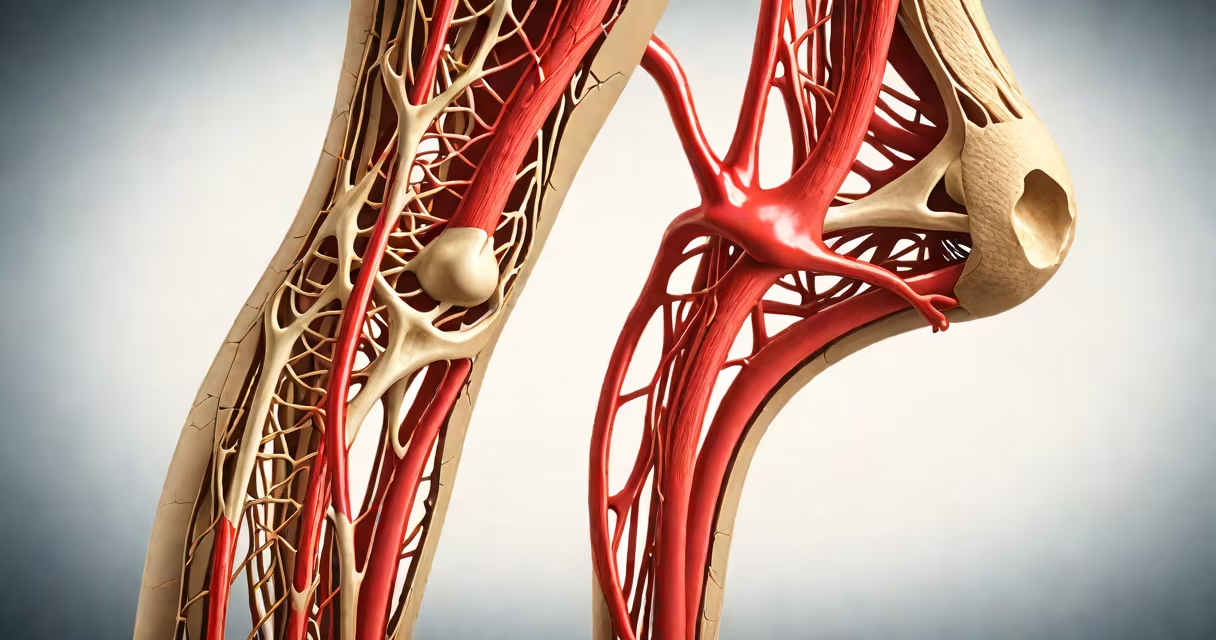
Arterial peripheral disease (PAD) is a condition where narrowed arteries reduce blood flow to the limbs, most commonly the legs. It results from atherosclerosis-the buildup of fatty plaques inside artery walls-and increases the risk of heart attack, stroke, and limb amputation if untreated.
PAD affects approximately 8.5 million adults in the United States, according to the American Heart Association. The most common symptom is claudication: leg pain during walking that resolves with rest. Not everyone experiences symptoms, but even silent PAD raises cardiovascular risk. Early diagnosis through ankle-brachial index testing improves outcomes.
How It Works
Blood travels from the heart through large arteries to supply oxygen-rich blood to muscles and tissues. In PAD, plaque accumulates in the outer layers of medium-to-large arteries, particularly in the iliac, femoral, and popliteal vessels. This narrows the lumen-the internal space-restricting blood flow.
When muscles demand more oxygen during activity, such as walking, insufficient blood delivery causes ischemia. The lack of oxygen triggers pain, typically in the calf, thigh, or buttock. Rest restores flow and relieves discomfort. This pattern defines intermittent claudication.
Without treatment, progressive narrowing may lead to critical limb ischemia-persistent pain at rest, non-healing wounds, or tissue death. A 2021 study in Circulation found that patients with symptomatic PAD have a 2.5-fold higher risk of major adverse cardiovascular events compared to those without.
Types and Causes
Arterial peripheral disease is primarily caused by atherosclerosis, driven by modifiable risk factors: smoking, diabetes, hypertension, high cholesterol, and physical inactivity. Age over 65 and a history of cardiovascular disease further increase risk.
Less common causes include vasculitis, trauma, radiation exposure, or inherited conditions like fibromuscular dysplasia. These account for less than 5% of PAD cases, per the National Institutes of Health.
| Type | Prevalence | Primary Cause | Typical Age Group |
|---|---|---|---|
| Atherosclerotic PAD | ~95% | Plaque buildup from metabolic risk factors | 50+ |
| Fibromuscular dysplasia | <1% | Abnormal artery wall development | 20-50 |
| Vasculitis-related | <1% | Inflammatory damage to vessel walls | Varies |
Diabetes is a key contributor. Diabetic patients are twice as likely to develop PAD due to accelerated endothelial dysfunction and impaired microvascular repair. Among people with diabetes, about 15% have detectable PAD, often without classic claudication symptoms.
Where and Why It's Used in Clinical Practice
Screening for PAD begins with clinical assessment. The ankle-brachial index (ABI)-measuring systolic blood pressure at the ankle versus the arm-is the gold standard test. An ABI below 0.9 indicates significant arterial narrowing.
For confirmation, duplex ultrasonography visualizes blood flow and plaque location. CT angiography or MR angiography provide detailed images of arterial anatomy, especially when considering revascularization options.
Intervention depends on severity. Supervised exercise therapy improves walking distance by 50% over six months, according to a 2019 Cochrane review. Medications like statins and antiplatelets reduce cardiovascular events. In advanced cases, endovascular procedures such as stenting or surgical bypass restore blood flow.
I once evaluated a 68-year-old man with unexplained leg fatigue. His ABI was 0.72. Doppler ultrasound revealed a 70% stenosis in the left superficial femoral artery. After six weeks of supervised walking, his maximum walking time increased from 200 to 420 meters-a clinically meaningful improvement.
Common Confusions and Corrections
Many mistake PAD for muscle strain or arthritis. Leg pain from PAD occurs predictably during exertion and resolves with rest. Pain from osteoarthritis worsens with movement and persists afterward. Distinguishing them prevents misdiagnosis.
Another misconception is that PAD only affects older men. While incidence rises with age, women are underdiagnosed. A 2020 analysis in JAMA Cardiology showed women with PAD were 30% less likely to receive guideline-directed care than men, despite similar mortality rates.
Also, not all PAD is symptomatic. Up to 50% of individuals with abnormal ABI report no leg pain. These asymptomatic cases still carry high cardiovascular risk. The 2023 ACC/AHA guidelines recommend screening for PAD in adults aged 65+ or those with diabetes, regardless of symptoms.
Key Takeaway
Arterial peripheral disease is a systemic vascular disorder rooted in atherosclerosis. It reduces blood flow to the limbs, often causing claudication. Early detection via ABI testing and management with lifestyle changes, medications, and exercise can prevent disability and death. Recognizing silent forms and treating all patients equally-regardless of gender or symptom presence-is essential for optimal outcomes.
Understanding what is arterial peripheral disease enables timely intervention. It's not just a leg problem-it's a warning sign of widespread vascular disease.