
What Does the PSA Measure
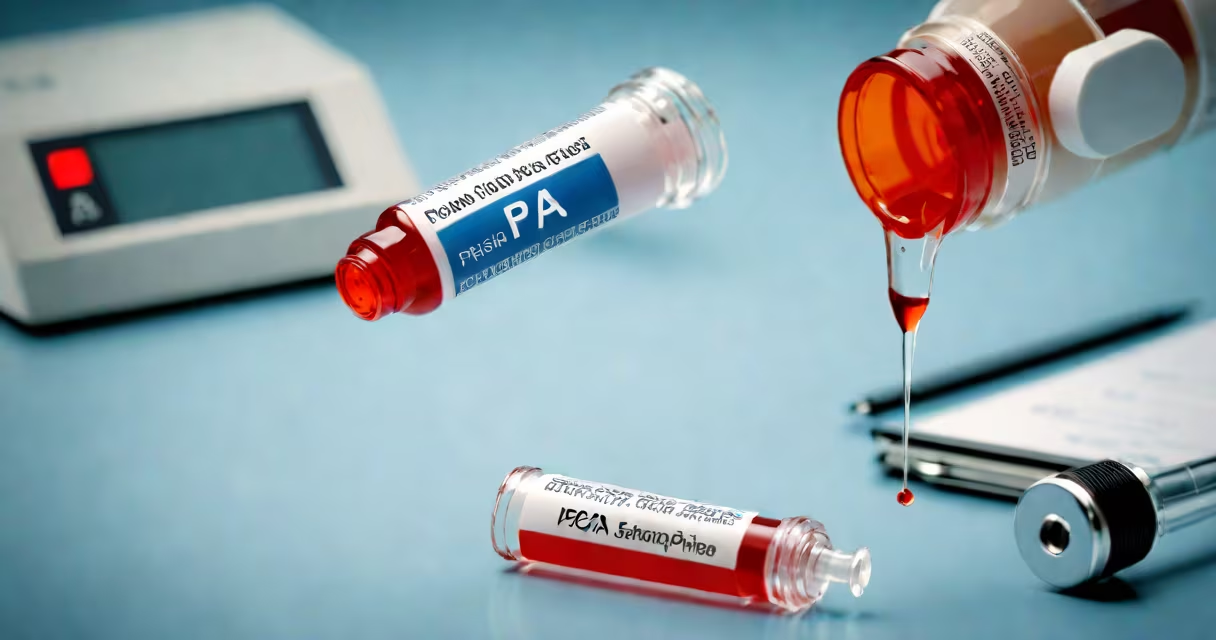
The PSA test measures the level of prostate-specific antigen in a blood sample. This protein is produced by the prostate gland and released into the bloodstream. Elevated levels may signal prostate inflammation, enlargement, or cancer.
PSA stands for prostate-specific antigen. It's a glycoprotein made primarily by epithelial cells in the prostate. The test detects how much of this protein circulates in the blood. Normal values are typically below 4.0 ng/mL, though thresholds vary by lab and patient profile.
High PSA doesn't confirm cancer. Levels rise due to benign conditions like prostatitis or benign prostatic hyperplasia (BPH). Men with elevated PSA often undergo further testing-such as MRI or biopsy-to rule out malignancy. The U.S. Preventive Services Task Force notes that routine PSA screening can lead to overdiagnosis and overtreatment in low-risk men.
How the PSA Test Works
A healthcare provider draws a small blood sample from a vein in the arm. The sample goes to a clinical laboratory, where automated analyzers detect PSA concentration using immunoassay techniques. Results are reported in nanograms per milliliter (ng/mL).
Testing is usually done fasting, though guidelines differ. Some clinics recommend avoiding ejaculation for 48 hours prior, as seminal fluid can temporarily raise PSA. A single elevated result doesn't diagnose cancer-it prompts follow-up evaluation.
For example, a 62-year-old man with a PSA of 6.8 ng/mL may be referred for a multiparametric MRI of the pelvis. If the scan shows a suspicious lesion, a targeted biopsy confirms whether cancer is present. In this case, the PSA result was a red flag, not a verdict.
Types of PSA Measurements
There are three main forms measured in clinical practice:
| Type | What It Measures | Use Case |
|---|---|---|
| Total PSA | Sum of all circulating PSA forms | Standard screening tool |
| Free PSA | Unbound PSA not attached to proteins | Helps distinguish cancer from BPH when total PSA is borderline |
| Percent Free PSA | Ratio of free PSA to total PSA | Used in men with total PSA between 4.0 and 10.0 ng/mL |
When total PSA is between 4.0 and 10.0 ng/mL, percent free PSA helps estimate cancer risk. A ratio below 10% increases likelihood of prostate cancer. For instance, a man with total PSA of 6.5 ng/mL and free PSA of 0.5 ng/mL has a percent free PSA of 7.7%. This suggests higher risk and warrants biopsy.
Some labs report "complexed" PSA-PSA bound to alpha-1-antichymotrypsin. This form correlates more closely with aggressive tumors. However, it's not routinely ordered due to cost and limited availability.
Why PSA Matters in Clinical Practice
PSA is central to early detection of prostate cancer. The American Cancer Society recommends discussing screening with men aged 50 and older, or earlier for Black men and those with family history. Screening reduces mortality by detecting cancer before symptoms appear.
But PSA has limitations. It's not specific to cancer. A study published in JAMA Internal Medicine found that 75% of men with elevated PSA had no cancer on biopsy. Overdiagnosis remains a concern-some cancers grow slowly and never threaten life.
One non-obvious point: PSA levels fluctuate naturally. A 2021 study in European Urology showed that up to 15% of men have a 20% or greater variation in PSA over six months without disease progression. Repeated testing improves accuracy.
Common Misconceptions
People often assume a high PSA means cancer. That's incorrect. Benign conditions dominate causes of elevation. Prostatitis, urinary tract infections, and even recent digital rectal exams can spike levels.
Another myth: PSA is only for men over 50. While screening begins at 50, younger men with risk factors-like a father or brother diagnosed with prostate cancer-should consider earlier testing. The National Complete Cancer Network recommends baseline testing at age 40 for high-risk groups.
I've seen patients panic after a PSA of 5.2 ng/mL. After repeating the test three weeks later, the result dropped to 3.9 ng/mL. No treatment was needed. The initial rise likely reflected temporary inflammation, not disease.
PSA vs. Other Biomarkers
PSA is not the only marker used. Prostate Health Index (phi) combines total PSA, free PSA, and intact PSA to improve cancer detection. Studies show phi outperforms total PSA alone in predicting clinically significant cancer.
Other tests include the 4Kscore, which uses four kallikrein proteins to predict biopsy outcomes. It's especially useful in men with ambiguous PSA results. A score above 15% indicates high risk of aggressive cancer.
While PSA remains the most widely used tool, newer biomarkers offer better specificity. Still, PSA is the foundation of current screening protocols.
Understanding what the PSA measures helps avoid unnecessary anxiety and guides informed decisions about follow-up care. It's a tool-not a diagnosis.