
What Does TMJ Do
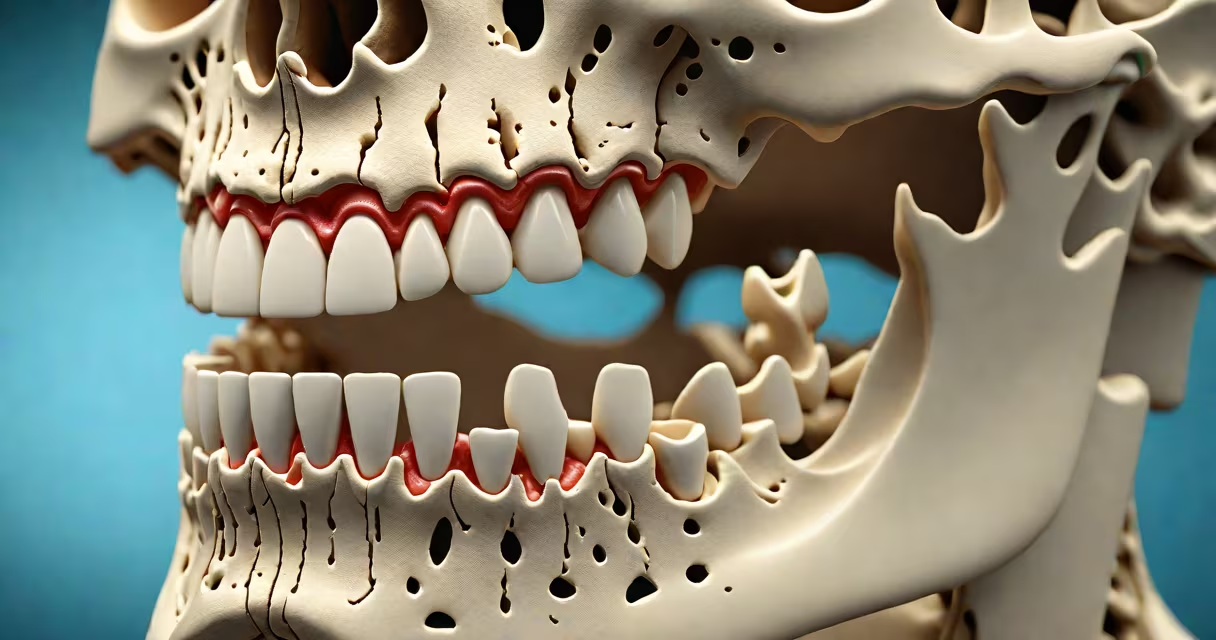
The temporomandibular joint (TMJ) connects the jawbone to the skull and enables movements essential for eating, talking, and facial expressions. It acts as a hinge and sliding mechanism allowing the lower jaw to open, close, move forward, backward, and side-to-side.
Located just in front of each ear, the TMJ is one of the most frequently used joints in the body. It handles over 2,000 movements daily-chewing, yawning, speaking-without conscious effort. The joint's complex structure includes cartilage, ligaments, and muscles that work together to stabilize motion and absorb shock during biting and grinding.
According to the National Institute of Dental and Craniofacial Research (NIDCR), approximately 10 million Americans experience symptoms related to TMJ dysfunction. These issues often stem from misalignment, arthritis, or muscle tension rather than structural damage to the joint itself.
How the TMJ Functions
The TMJ operates through a combination of rotational and translational movements. When you open your mouth slightly, the jaw rotates around the joint's axis. As you open wider-like when yawning-the mandible slides forward along the temporal bone, allowing greater range of motion.
A small disc of fibrocartilage sits between the bones, acting as a cushion. This disc prevents bone-on-bone contact and ensures smooth movement. If the disc slips out of position, it can cause clicking, popping, or locking sensations during jaw movement.
For example, when someone chews gum, the TMJ undergoes repetitive motion involving both rotation and translation. Over time, excessive strain-such as clenching teeth while stressed-can lead to inflammation and pain in the joint capsule and surrounding muscles.
Key Structures and Their Roles
The TMJ consists of several components working in tandem:
- Mandibular condyle: The rounded end of the lower jaw that fits into the socket.
- Temporal bone fossa: The depression in the skull where the condyle rests.
- Articular disc: A shock-absorbing pad that separates the bones and guides motion.
- Ligaments: Stabilize the joint and limit excessive movement.
- Facial muscles: Control jaw movement, including the masseter, temporalis, and lateral pterygoid.
When the lateral pterygoid muscle contracts, it pulls the condyle forward and downward, enabling the jaw to protrude. This action is critical for biting into food or speaking certain sounds like "t" and "d."
Damage to any component disrupts coordination. For instance, degenerative joint disease affects the cartilage in about 15% of people over age 65, leading to stiffness and reduced mobility, according to the American Academy of Orofacial Pain.
Common Misconceptions and Distinctions
Many confuse TMJ with TMD. TMJ refers to the joint itself, while TMD (temporomandibular disorder) describes conditions causing pain or dysfunction. Not everyone with a TMJ has TMD, and not all TMD cases involve joint abnormalities.
Another misconception is that jaw popping always indicates a problem. Studies show that up to 35% of healthy individuals experience occasional jaw clicking without pain or limitation. The sound occurs when air pressure changes in the joint space during movement, not necessarily due to disc displacement.
TMJ issues are rarely caused by trauma alone. While injuries can contribute, research from the Journal of Oral Rehabilitation shows that psychological stress and bruxism (teeth grinding) are stronger predictors of chronic TMJ pain.
Real-World Example: Chronic Jaw Pain Diagnosis
A 34-year-old woman reported persistent jaw pain, difficulty opening her mouth fully, and frequent headaches. Imaging revealed normal joint anatomy but signs of muscle hypertrophy in the masseter and temporalis muscles. She had no history of injury but admitted to grinding her teeth at night.
After a 6-week course of physical therapy focused on jaw relaxation techniques and a custom night guard, her symptoms improved. Her jaw opened to 45 mm (normal range: 35-50 mm), and pain scores dropped from 7/10 to 2/10 on a visual analog scale.
This case illustrates that TMJ-related discomfort often stems from muscular tension rather than joint pathology. Treatment targets the underlying cause-not just the symptom.
Types of TMJ Dysfunction
TMJ disorders fall into three main categories based on the affected tissue:
| Type | Primary Cause | Common Symptoms | Prevalence |
|---|---|---|---|
| Myogenous | Overuse or strain of jaw muscles | Pain during chewing, jaw fatigue, tenderness | ~60% |
| Arthrogenous | Degeneration or inflammation of joint tissues | Clicking, locking, limited mouth opening | ~25% |
| Disc displacement | Displacement of the articular disc | Clicking, pain, deviation during opening | ~15% |
Disc displacement is particularly tricky because the disc may return to position spontaneously, making diagnosis challenging. MRI scans are the gold standard for detecting disc position, though clinical exams remain essential for initial assessment.
I once observed a patient who described hearing a "snap" every time she opened her mouth wide. An MRI confirmed anterior disc displacement without reduction. After conservative treatment failed, she underwent arthroscopic surgery to reposition the disc. Post-op recovery took six weeks, but she regained full function.
What Can They Do for TMJ
Non-surgical treatments address the root causes of TMJ dysfunction. These include oral splints, physical therapy, stress management, and medication. Splints-also called occlusal appliances-help reduce clenching and protect tooth surfaces.
Physical therapy focuses on stretching tight muscles and strengthening weak ones. Exercises like gentle jaw-opening stretches and resisted tongue presses improve coordination and reduce strain. A 2021 study in Oral Surgery, Oral Medicine, Oral Pathology and Oral Radiology found that patients using home-based exercises saw a 50% improvement in jaw function after eight weeks.
For severe cases, corticosteroid injections into the joint can reduce inflammation. However, repeated injections carry risks, including cartilage damage. Surgery is reserved for cases unresponsive to conservative care.
Final Clarification
What does TMJ do? It enables precise, controlled jaw movement essential for survival functions like eating and communication. Its role extends beyond mechanics-it influences posture, breathing patterns, and even emotional expression.
Understanding the difference between TMJ (the joint) and TMD (the condition) prevents unnecessary anxiety. Most TMJ-related symptoms resolve with targeted interventions. Early recognition and treatment prevent progression to chronic pain states.