
What Size I Am
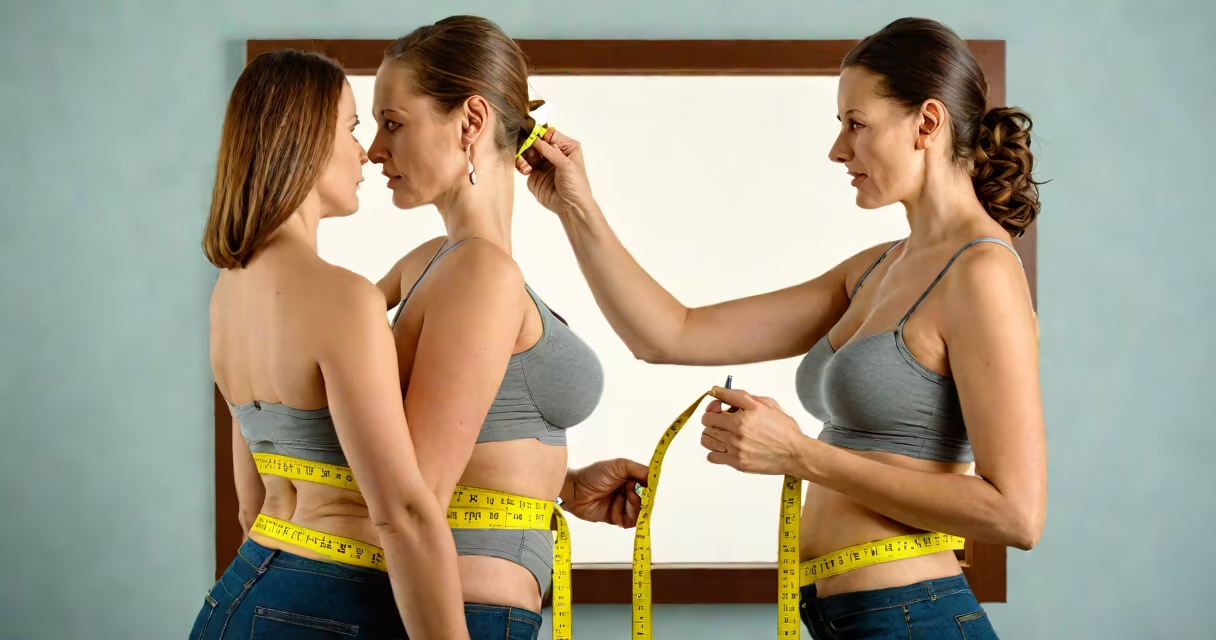
What size I am refers to your specific clothing size based on measured body dimensions, not a generic label like "medium" or "large." It's determined by your bust, waist, hips, and sometimes sleeve length or inseam, matched to a standardized sizing chart.
Size labels vary widely between brands and countries. A U.S. size 10 may fit differently than a UK size 10 or a European size 42. What size I am depends on actual measurements, not assumed proportions. For example, a person with a 36-inch bust and 28-inch waist typically wears a size 10 in U.S. women's apparel, but this varies by brand and cut.
Accurate sizing prevents returns, wasted money, and discomfort. According to the National Retail Federation, nearly 30% of online clothing purchases are returned due to poor fit. Measuring correctly reduces that risk. Always check the size chart for the specific garment, not just the label.
How Size Is Determined
Clothing sizes are derived from body measurements taken at key points: bust, waist, hips, and sometimes shoulders or inseam. These values are compared against a standard size chart used by retailers.
For women's dresses and tops, the bust is measured around the fullest part of the chest, the waist at the narrowest point, and the hips at the widest part below the waist. Measurements are recorded in inches or centimeters. A 34-inch bust, 26-inch waist, and 36-inch hip typically correspond to a U.S. size 8 or 10, depending on the brand's pattern.
Some brands use a "size range" system. For example, a size 10 may cover busts from 34 to 36 inches. This allows for variation in fit but requires checking the specific garment's chart. The U.S. Department of Commerce reports that 68% of women wear a size that differs from their perceived size when they measure themselves.
Types of Sizing Systems
There are several sizing systems used globally. The most common are U.S., UK, EU, and Asian sizes. Each uses different base measurements and labeling conventions.
| Sizing System | Bust Range (inches) | Common Size Labels | Use Case |
|---|---|---|---|
| U.S. Women's | 32-44 | 0, 2, 4, 6, 8, 10, 12, 14, 16 | Most U.S. retailers |
| UK Women's | 32-44 | 6, 8, 10, 12, 14, 16, 18, 20 | British brands, international shipping |
| EU Women's | 34-52 | 34, 36, 38, 40, 42, 44, 46, 48 | European markets, global e-commerce |
| Asian (JPN/KOR) | 30-40 | 3, 5, 7, 9, 11, 13, 15 | Japanese and Korean fashion lines |
These systems don't align directly. A U.S. size 10 equals a UK size 14, a EU size 42, and a Japanese size 13. Using the wrong system leads to incorrect sizing. Always convert using a trusted chart.
Non-standard sizing exists too. Some brands use "inclusive" or "extended" sizing beyond standard ranges. For example, a brand may offer sizes up to 4X (equivalent to a U.S. size 32). These are not interchangeable with standard sizes.
Common Mistakes and Misconceptions
Many people assume their size is consistent across all brands. That's false. A size 10 in one brand may be a size 12 in another due to differences in pattern drafting and stretch.
Another misconception is that size numbers reflect body size. A size 10 doesn't mean you're 10 inches around. Size numbers are arbitrary identifiers. The U.S. Fashion Industry Association clarifies that size numbers have no direct correlation to body measurements.
A critical error is relying on visual fit rather than measurement. A shirt may feel loose in the arms but tight across the chest. Only measuring the bust, shoulder width, and sleeve length reveals whether the size fits properly. I once bought a dress labeled "size 10" that was too tight across the bust because I didn't measure my actual bust - it was 38 inches, not 36.
How to Find Your Real Size
Start by measuring your body using a soft tape measure. Measure the bust at the fullest point, the waist at the natural curve, and the hips at the widest point. Record each in inches.
Next, compare your measurements to a size chart for the specific brand and product type. For example, if buying a dress, find the "dresses" section on the retailer's site and match your bust and waist to the corresponding size.
For context, a woman with a 36-inch bust, 28-inch waist, and 38-inch hips typically wears a U.S. size 10. But if she's buying a brand known for smaller cuts - like Reformation - she may need a size 12. Always check the brand's specific chart.
Why Knowing Your Size Matters
Knowing what size I am ensures better fit, comfort, and confidence. Ill-fitting clothes cause discomfort, restrict movement, and affect appearance. Proper fit enhances both function and style.
It also reduces waste. The Environmental Protection Agency estimates that 21 million tons of textile waste are generated annually in the U.S., much from improperly sized garments. Accurate sizing lowers return rates and environmental impact.
Finally, understanding your size helps you communicate effectively with stylists, tailors, and customer service. Instead of saying "I wear medium," you can say "I'm a U.S. size 10 with a 36-inch bust and 28-inch waist." This precision avoids confusion and saves time.
When shopping online, always verify what size I am using your actual measurements. Don't rely on past purchases or assumptions. Check the size chart every time. The difference between a perfect fit and a frustrating return often comes down to one measurement.