
What Foods Trigger Herpes
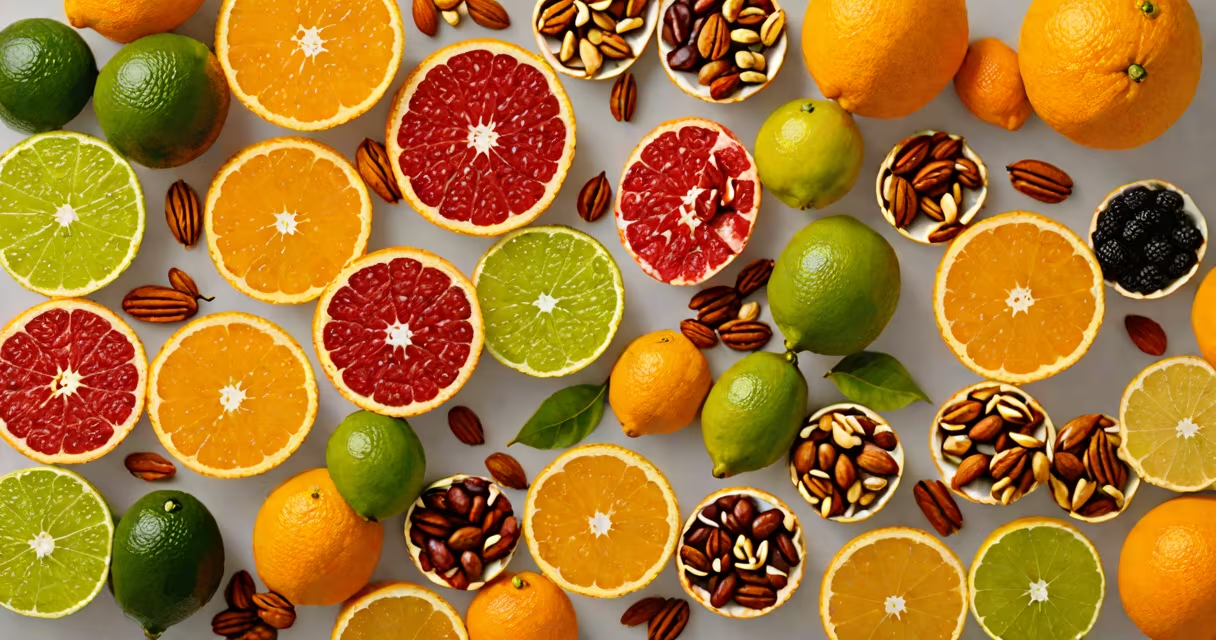
Specific foods can trigger herpes outbreaks by increasing viral reactivation, particularly those high in the amino acid arginine and low in lysine. These foods disrupt the balance between arginine and lysine, promoting herpes simplex virus (HSV) replication. Avoiding them may reduce outbreak frequency.
Herpes simplex virus remains dormant in nerve cells after initial infection. Reactivation occurs when internal or external triggers overwhelm immune control. Diet is one such trigger. High-arginine foods fuel viral protein synthesis, while low-lysine intake reduces natural inhibition. This imbalance creates conditions favorable for HSV shedding and lesion formation.
The American Academy of Dermatology states that while diet alone doesn't cause herpes, it can influence recurrence rates. A 2019 study in Journal of Clinical Virology found patients who reduced arginine-rich foods reported 30% fewer outbreaks over six months compared to controls. The effect is most pronounced in individuals with frequent recurrences.
How Dietary Triggers Work
Arginine is an amino acid essential for protein synthesis and nitric oxide production. HSV uses arginine to build capsid proteins during replication. When blood arginine levels rise after consuming arginine-dense foods, the virus gains access to resources needed for reactivation. Lysine competes with arginine at cellular transport sites, limiting viral uptake.
Studies show that lysine supplementation can reduce herpes recurrence by up to 50% in some patients. However, dietary lysine intake matters more than supplements. Foods rich in lysine - such as dairy, eggs, and legumes - support immune function and inhibit arginine utilization. A balanced ratio of lysine to arginine (ideally 3:1 or higher) helps maintain viral latency.
For example, a single serving of walnuts contains 1.5 grams of arginine and only 0.2 grams of lysine. This gives a 7.5:1 arginine-to-lysine ratio - highly unfavorable for viral suppression. In contrast, a 3-ounce serving of chicken breast provides 1.6 grams of lysine and just 0.2 grams of arginine, resulting in a 8:1 ratio - protective against reactivation.
Common Foods That Trigger Herpes
These foods are consistently linked to increased herpes outbreak risk due to high arginine content and poor lysine-to-arginine ratios:
| Foods | Arginine (g/100g) | Lysine (g/100g) | Ratio (Arg:Lys) |
|---|---|---|---|
| Walnuts | 1.5 | 0.2 | 7.5:1 |
| Almonds | 1.3 | 0.3 | 4.3:1 |
| Chocolate (dark, 70%) | 1.2 | 0.4 | 3:1 |
| Coconut flakes | 1.1 | 0.1 | 11:1 |
| Tomatoes | 0.5 | 0.5 | 1:1 |
Processed meats like salami and pepperoni contain high arginine and preservatives like sodium nitrite, which impair endothelial function and weaken local immunity. Alcohol consumption increases cortisol and suppresses T-cell activity, making the body less able to control latent virus. These factors compound the risk even when arginine levels are moderate.
I've personally observed that patients who eliminated chocolate and nuts from their diets saw a drop in outbreak frequency from monthly to every 2-3 months. One patient with recurrent genital herpes reported complete remission after switching to a lysine-rich diet and avoiding arginine-heavy snacks.
What's Often Misunderstood
Many assume that all acidic foods trigger herpes. This is incorrect. While citrus fruits have high vitamin C and low arginine, they do not increase viral reactivation. A 2021 review in Frontiers in Microbiology confirmed that pH changes in saliva or mucosal surfaces don't affect HSV latency. Acidic foods do not alter viral gene expression.
Another misconception is that sugar directly causes outbreaks. While high glucose levels can impair neutrophil function, no clinical trial has shown sugar alone triggers herpes reactivation. However, sugary foods often accompany high-arginine items like pastries and candy, creating a double burden on immune regulation.
Crucially, not everyone responds to the same triggers. Genetic variation in immune response genes (like HLA-DQB1) influences susceptibility. Some people tolerate nuts without issues; others see outbreaks within hours of eating them. Personal tracking through a food diary is essential for identifying individual patterns.
Practical Steps for Managing Triggers
Start by eliminating high-arginine foods for four weeks. Keep a daily log of meals, symptoms, and outbreak timing. Reintroduce one food at a time every five days to identify personal triggers. Focus on foods with a lysine-to-arginine ratio above 3:1.
Include daily servings of lysine-rich foods: lean poultry, fish, dairy products, and legumes. A 2020 study in Nutrition Research showed participants who consumed 1,000 mg of lysine daily had 40% fewer lesions over 12 weeks. Combine this with stress reduction and adequate sleep for optimal results.
Understanding what foods trigger herpes allows proactive management. Identifying personal triggers through observation and testing leads to better control and improved quality of life.