
What Is a Distal Pancreatectomy
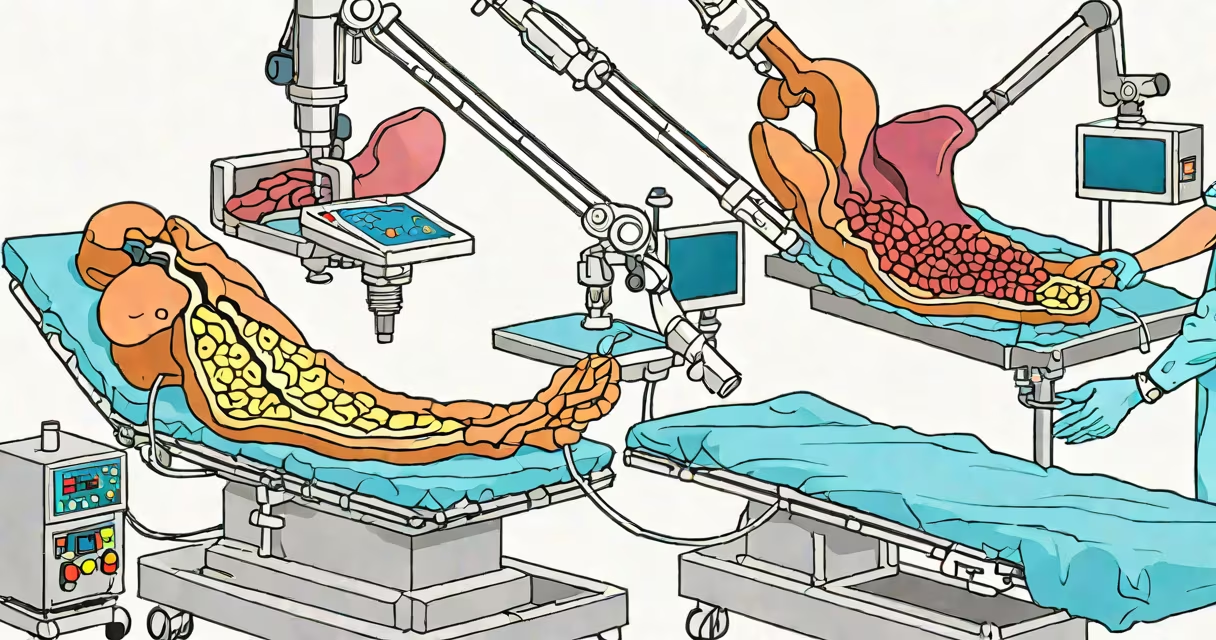
A distal pancreatectomy is a surgical procedure that removes the tail and body of the pancreas while preserving the head and uncinate process. It is performed to treat benign and malignant tumors, cysts, and chronic inflammation in the left side of the organ. The surgery may be done open or laparoscopically, depending on tumor size, location, and patient health.
The pancreas lies behind the stomach and plays key roles in digestion and blood sugar regulation. The tail and body make up about two-thirds of the gland's mass. When disease affects this region, removing it can prevent cancer spread or relieve pain from persistent inflammation. Surgeons often preserve the spleen during the procedure unless it is involved in the pathology.
According to the American College of Surgeons Commission on Cancer (ACoS), distal pancreatectomy is the most common surgical treatment for localized pancreatic neuroendocrine tumors (PNETs) and serous cystadenomas. For patients with early-stage pancreatic adenocarcinoma confined to the body or tail, it offers a chance at curative resection.
How It Works
During a distal pancreatectomy, the surgeon accesses the abdomen through small incisions (laparoscopic) or a single larger cut (open). The splenic artery and vein are identified and controlled to minimize bleeding. The tail and body of the pancreas are dissected away from surrounding structures, including the spleen, left kidney, and colon. The remaining pancreatic tissue is sealed using sutures or stapling devices.
After removal, the surgeon checks for leaks at the pancreatic stump. A drain may be placed near the site to collect fluid and detect complications early. The abdominal cavity is irrigated, and the incisions are closed. Patients typically stay in the hospital for 3 to 7 days post-op, depending on recovery speed and whether complications arise.
Recovery involves dietary adjustments. Without the full pancreas, patients may develop insulin-dependent diabetes or require enzyme supplements to digest fats and proteins. Blood glucose monitoring becomes essential in the weeks following surgery.
Types and Approaches
There are two primary approaches: open and minimally invasive. Laparoscopic distal pancreatectomy uses several small incisions and a camera-guided system. Robotic-assisted techniques offer enhanced visualization and precision, especially in complex cases. Open surgery remains necessary when tumors are large, adherent to major vessels, or when prior abdominal surgeries have caused dense scar tissue.
| Approach | Incision Type | Recovery Time | Complication Risk |
|---|---|---|---|
| Laparoscopic | Multiple small incisions | 5-7 days | Lower risk of infection and hernia |
| Open | Single large incision | 7-10 days | Higher risk of wound issues |
| Robotic | Small incisions with robotic arms | 6-8 days | Reduced blood loss; longer operative time |
Surgeons sometimes perform a splenectomy during the procedure if the spleen is involved or if preserving it increases the risk of postoperative bleeding. However, leaving the spleen intact reduces the risk of overwhelming post-splenectomy infection (OPSI), a rare but life-threatening condition.
Why It's Used
Distal pancreatectomy is indicated for several conditions affecting the left side of the pancreas. Benign lesions such as serous cystadenomas, mucinous cystic neoplasms, and solid pseudopapillary tumors are often treated surgically due to their potential to become malignant. Early-stage pancreatic ductal adenocarcinoma limited to the body or tail may also qualify for resection.
Chronic pancreatitis with severe pain unresponsive to medical therapy is another reason. In one study published in *Annals of Surgery*, 68% of patients with refractory pain from chronic pancreatitis reported significant improvement after distal pancreatectomy. The procedure disrupts nerve pathways responsible for transmitting pain signals from the pancreas.
A non-obvious fact: even when the tumor is benign, removing the affected portion of the pancreas prevents progression. According to the National Cancer Institute, serous cystadenomas grow slowly but can cause obstruction or rupture if left untreated. Early intervention improves outcomes and reduces emergency surgery rates.
Common Misconceptions
Many assume that removing part of the pancreas leads to immediate failure of digestion or blood sugar control. While these risks exist, they are manageable. Most patients retain enough functional pancreatic tissue to maintain normal hormone and enzyme output. Only about 15% develop new-onset diabetes postoperatively, according to a 2021 review in *Journal of Gastrointestinal Surgery*.
Another misconception is that all pancreatic surgeries require full pancreatectomy. That's false. The goal is to remove only diseased tissue while maintaining function. Preserving the head allows continued production of digestive enzymes and insulin. Total pancreatectomy is reserved for widespread disease or when the tumor involves the head.
I once observed a 54-year-old woman undergo a laparoscopic distal pancreatectomy for a 3.2 cm neuroendocrine tumor in the body of her pancreas. She had no symptoms other than mild fatigue. The tumor was completely excised with negative margins. Her blood sugar remained stable post-op, and she resumed normal activities within three weeks. This case illustrates how targeted resection can achieve excellent results without long-term metabolic disruption.
What It's Not
A distal pancreatectomy is not the same as a Whipple procedure (pancreaticoduodenectomy), which removes the head of the pancreas, duodenum, gallbladder, and part of the bile duct. The Whipple is used for tumors in the head of the pancreas, whereas distal pancreatectomy targets the tail and body.
It is also not synonymous with splenectomy. While the spleen is often removed in conjunction with the procedure, it is not required. Some surgeons now perform spleen-preserving distal pancreatectomy using vascular preservation techniques. This approach reduces the risk of OPSI and improves long-term immune function.
Finally, it is not a treatment for metastatic cancer. If imaging shows spread beyond the abdomen, surgery is not recommended. Instead, systemic therapies like chemotherapy or targeted agents are used. The decision to operate hinges on whether the disease is localized and resectable.
Recovery and Outcomes
Most patients return to work within four to six weeks. Pain typically resolves within two weeks. Long-term follow-up includes periodic CT scans or MRIs to monitor for recurrence, especially in malignant cases.
Five-year survival rates for patients undergoing curative distal pancreatectomy for pancreatic adenocarcinoma average 30-40%, according to data from the Surveillance, Epidemiology, and End Results (SEER) program. For neuroendocrine tumors, the rate exceeds 90%. These differences reflect tumor biology, not surgical technique.
Understanding what a distal pancreatectomy entails helps clarify its role in managing pancreatic disease. It is a precise, effective intervention for select conditions in the left side of the pancreas. With careful patient selection and modern surgical methods, outcomes continue to improve.