
What Does S925 Mean on Jewellery
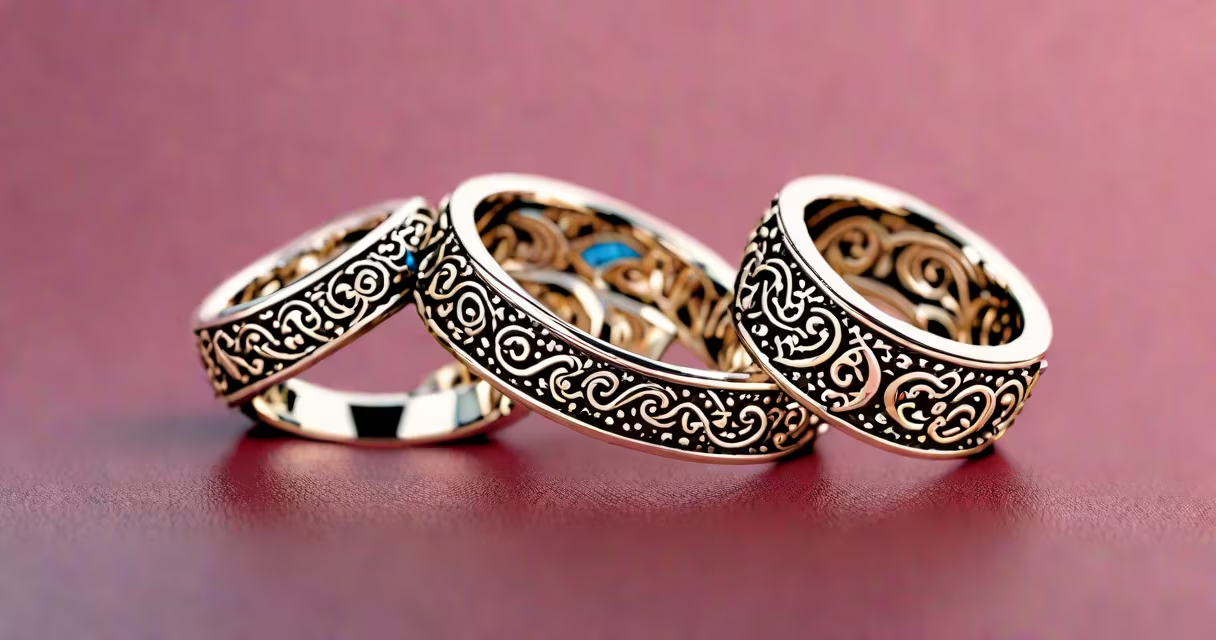
S925 on jewellery indicates the piece is made of sterling silver, containing 92.5% pure silver and 7.5% alloy metals, typically copper. This marking guarantees the item meets international standards for silver purity.
The "S" stands for silver, and "925" denotes the percentage of pure silver by weight. This standard was established in the 12th century and remains the global benchmark for silver jewelry. The mark appears on the inside of rings, bracelets, and necklaces, often stamped during manufacturing.
Not all silver is equal. Fine silver (99.9%) is too soft for most wearable items. Adding a small amount of alloy strengthens the metal while preserving its luster. Without this alloy, silver jewelry would bend easily and not hold its shape over time.
How S925 Works in Practice
When a jeweler crafts a sterling silver piece, they mix 92.5 parts pure silver with 7.5 parts copper or another metal. Copper adds durability and resistance to wear. This blend maintains the visual appeal of silver-its bright, reflective finish-while making it suitable for daily use.
For example, a sterling silver wedding band weighing 5 grams contains 4.625 grams of pure silver. The remaining 0.375 grams is alloy. This ratio ensures strength without sacrificing appearance. The piece will not tarnish instantly, though it may develop a patina over time due to exposure to air and moisture.
Manufacturers use laser stamping or hand stamping to apply the "s925" mark. The stamp must be clear and legible. If the mark is missing or faint, the item may not meet certification standards. Some countries require hallmarking by official assayers to verify purity.
Types of Silver Markings and What They Mean
Not all silver markings are the same. Here's how different codes compare:
| Marking | Purity | Common Use | Source Standard |
|---|---|---|---|
| s925 | 92.5% | Jewelry, cutlery, decorative items | International (ISO 925) |
| 925 | 92.5% | Jewelry, coins | Global standard |
| 999 | 99.9% | Fine silver bars, bullion, art pieces | European and Asian standards |
| 800 | 80% | Lower-grade silverware, costume jewelry | Historical European use |
Some pieces use "sterling" or "sterling silver" alongside the number. These are interchangeable. The mark "925" alone is sufficient for legal recognition in most markets.
"s925" does not indicate the piece is solid silver. Some plated items carry the mark falsely. Always check for consistent stamping and ask for certification if buying high-value pieces.
Where You'll See S925 and Why It Matters
S925 appears on nearly all silver jewelry sold commercially. You'll find it on earrings, pendants, chains, and engagement rings. Major retailers like Pandora, Tiffany & Co., and local artisans use the mark to confirm authenticity.
For example, a Pandora charm marked "s925" weighs 2.1 grams. It contains 1.94 grams of pure silver. The rest is alloy. This allows the charm to withstand regular wear without deforming.
One common mistake is confusing s925 with "925 gold" or "silver-plated." Gold-plated items may have a thin layer of gold over a base metal. They do not contain silver. A piece labeled "925" without a metal prefix refers to silver, not gold.
Another confusion arises with "silver" versus "sterling silver." Not all silver is sterling. Items marked "silver" without a number may be lower purity or even fake. Always look for "s925" or "925" to confirm quality.
Real-World Example: Identifying a Genuine Piece
I once purchased a vintage silver locket at a flea market. It had no brand label. The interior bore the mark "s925" and a tiny crown symbol. I cross-checked the mark against the UK Assay Office database. The crown confirmed it was hallmarked in London, meeting strict purity standards.
The locket weighed 11.3 grams. Using the 92.5% rule, it contained 10.45 grams of pure silver. The seller claimed it was "real silver," but without the mark, I'd have no way to verify. The s925 stamp gave me confidence in the purchase.
This example shows why the mark matters. It's not just a label-it's a verification tool. Without it, buyers risk paying premium prices for low-quality or fake items.
Common Misconceptions and Corrections
Many assume s925 means the item is 100% silver. That's false. The number reflects purity, not total composition. A ring marked s925 is 92.5% silver, not pure silver.
Another myth is that s925 never tarnishes. In reality, silver oxidizes over time. The alloy in s925 accelerates this process slightly. Regular cleaning with a soft cloth prevents buildup. Avoid harsh chemicals like chlorine or bleach.
A lesser-known fact: s925 is not regulated in all countries. The United States does not require hallmarking, but the Federal Trade Commission enforces labeling laws. In contrast, the UK and Germany mandate official testing and marking for silver above certain weights.
Finally, s925 doesn't guarantee craftsmanship. A well-made s925 bracelet can still have poor design or weak clasps. Always assess build quality beyond the mark.
Final Check: How to Verify S925 Jewelry
To confirm a piece is genuinely s925:
- Look for the mark on the inside of the band or clasp.
- Ensure the stamp is crisp and consistent. Blurry or incomplete marks suggest forgery.
- Use a magnet test: silver is non-magnetic. If the piece sticks to a magnet, it's not silver.
- Check for a certificate of authenticity if purchasing online or from a high-end retailer.
If you're uncertain, send the item to a certified assay lab. Many offer free evaluation services. For under $20, you can get a detailed report confirming purity.
Understanding what s925 means on jewellery protects your investment and ensures you're getting what you pay for. It's not just a symbol-it's a promise of quality.
Knowing the difference between s925 and other silver grades helps avoid scams. Always verify the mark and understand the implications of silver purity before buying.