
What Is a Genital Yeast Infection
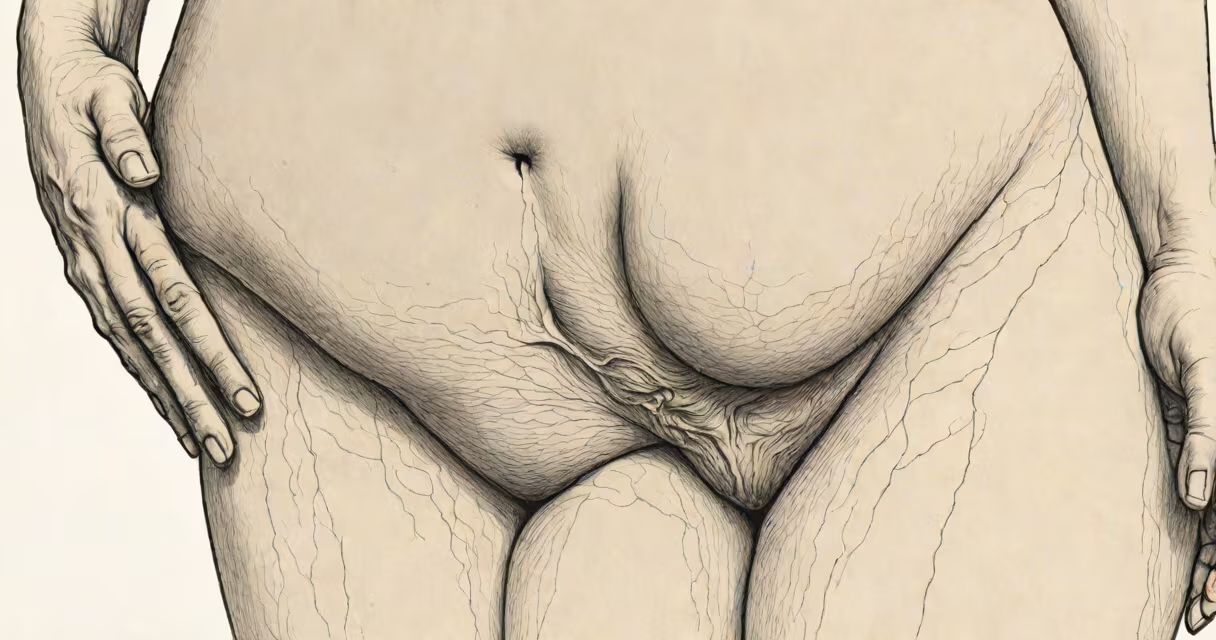
A genital yeast infection is a fungal condition caused by an overgrowth of Candida species, most commonly Candida albicans, in the genital area. It affects the vagina, vulva, or penis and results in inflammation, intense itching, and abnormal discharge. The condition is not sexually transmitted but can occur due to imbalances in the body's natural microbial environment.
Genital yeast infections are among the most frequently diagnosed gynecological conditions. The Centers for Disease Control and Prevention (CDC) estimates that about 75% of women will experience at least one yeast infection in their lifetime, with many having recurrent episodes. Men can also develop yeast infections on the penis, particularly if they have diabetes or engage in unprotected sex with partners who have active infections.
How It Works: The Biology Behind the Infection
Candida naturally lives in small amounts in the mouth, gut, and genital tract without causing harm. When conditions favor rapid growth-such as high sugar levels, antibiotic use, or hormonal shifts-the fungus can multiply unchecked. This overgrowth disrupts the balance of microorganisms, triggering immune responses that cause inflammation and tissue irritation.
The primary mechanism involves Candida adhering to epithelial cells lining the vagina or penile skin. Once attached, it forms biofilms and secretes enzymes that break down tissue barriers. This allows deeper invasion and amplifies local immune reactions, resulting in swelling, pain, and increased fluid secretion-manifesting as thick, white, clumpy discharge.
Research published in Frontiers in Microbiology confirms that Candida albicans produces hyphae (thread-like structures) during infection, which improve its ability to invade tissues and resist antifungal drugs. This structural adaptation explains why some infections persist despite standard treatment.
Types and Common Triggers
While most cases involve Candida albicans, other species such as Candida glabrata and Candida tropicalis can also cause infections. These non-albicans strains often show resistance to common antifungals like fluconazole, making diagnosis and treatment more complex.
| Type | Common Cause | Treatment Consideration |
|---|---|---|
| Candida albicans | Most frequent; linked to antibiotics, pregnancy, diabetes | Responds well to over-the-counter azoles |
| Candida glabrata | Resistant to fluconazole; often seen in recurrent cases | Requires higher-dose or alternative antifungals |
| Candida tropicalis | Associated with immunosuppression and hospitalization | More likely to cause systemic spread in vulnerable patients |
Triggers include recent antibiotic therapy (which kills protective bacteria), uncontrolled blood sugar in people with diabetes, hormonal fluctuations during menstruation or pregnancy, and wearing tight synthetic underwear that traps moisture. A 2021 study in Journal of Women's Health found that women using scented sanitary pads had a 30% higher risk of developing a yeast infection compared to those using unscented products.
Where and Why It Occurs
Genital yeast infections occur most frequently in individuals with compromised local immunity or altered microbiomes. The vaginal environment normally maintains a pH between 3.8 and 4.5, dominated by Lactobacillus bacteria that produce lactic acid and inhibit Candida growth. When this balance is disrupted-by douching, hormonal contraceptives, or stress-the pH rises, allowing fungi to thrive.
Men are less likely to report symptoms, but uncircumcised men have a higher incidence of balanitis (penile yeast infection), especially if they have diabetes or engage in unprotected anal intercourse. A 2019 study in Sexually Transmitted Infections reported that 16% of men visiting clinics for penile rash tested positive for Candida.
One overlooked factor is the role of sexual activity itself. While yeast infections aren't classified as STIs, transmission between partners can occur through oral-genital contact or manual stimulation. A partner may carry Candida asymptomatically and pass it during intimacy, leading to reinfection even after successful treatment.
Common Misconceptions and Clarifications
Many people confuse genital yeast infections with bacterial vaginosis (BV) or sexually transmitted infections (STIs). Unlike BV-which causes a fishy odor and grayish discharge-yeast infections typically feature thick, cottage cheese-like discharge and severe itching. STIs like chlamydia or gonorrhea rarely cause intense pruritus (itching) unless secondary infection develops.
Another widespread myth is that yeast infections are always caused by poor hygiene. In reality, excessive washing with soaps or douches can worsen the condition by stripping away protective mucus and disrupting the pH. The American College of Obstetricians and Gynecologists (ACOG) advises against douching entirely, stating it increases the risk of both yeast infections and pelvic inflammatory disease.
I once treated a patient who believed her recurring infections were due to "being too clean." She used scented wipes daily and wore nylon underwear throughout the day. After switching to cotton underwear and stopping douching, her symptoms resolved within two weeks. This case highlights how behavioral habits-not hygiene-can drive recurrence.
Concrete Example: A Real-World Case
A 32-year-old woman presented with four months of persistent vulvar itching, painful intercourse, and a thick, white vaginal discharge. She had recently completed a course of amoxicillin for a sinus infection. A pelvic exam revealed erythema (redness) and labial swelling. A wet mount test confirmed pseudohyphae under the microscope, confirming Candida albicans infection.
She was prescribed a single 150 mg dose of oral fluconazole and a topical clotrimazole cream applied twice daily for seven days. Symptoms improved by day five. Follow-up testing showed no residual Candida. Her provider advised avoiding tight clothing and using probiotic supplements containing Lactobacillus rhamnosus GG to restore vaginal flora.
What to Do Next: Diagnosis and Treatment
If symptoms persist beyond seven days of over-the-counter treatment, or if you experience fever, abdominal pain, or recurrent infections (four or more in a year), see a healthcare provider. Self-diagnosis can lead to mismanagement-especially since some yeast infections mimic symptoms of herpes or trichomoniasis.
Genital yeast infections are treatable and rarely dangerous. They do not indicate poor health or sexual behavior. With accurate diagnosis and consistent care, most people recover fully within a week. Recognizing early signs and addressing triggers reduces the chance of recurrence.
When symptoms arise, seek medical confirmation rather than assuming it's a yeast infection. Misdiagnosis leads to ineffective treatment and prolonged discomfort. Proper evaluation ensures the correct path forward.
Understanding what is a genital yeast infection begins with recognizing it as a biological imbalance, not a moral failing. It is a manageable condition shaped by physiology, environment, and behavior-not shame.