
What Is Medical
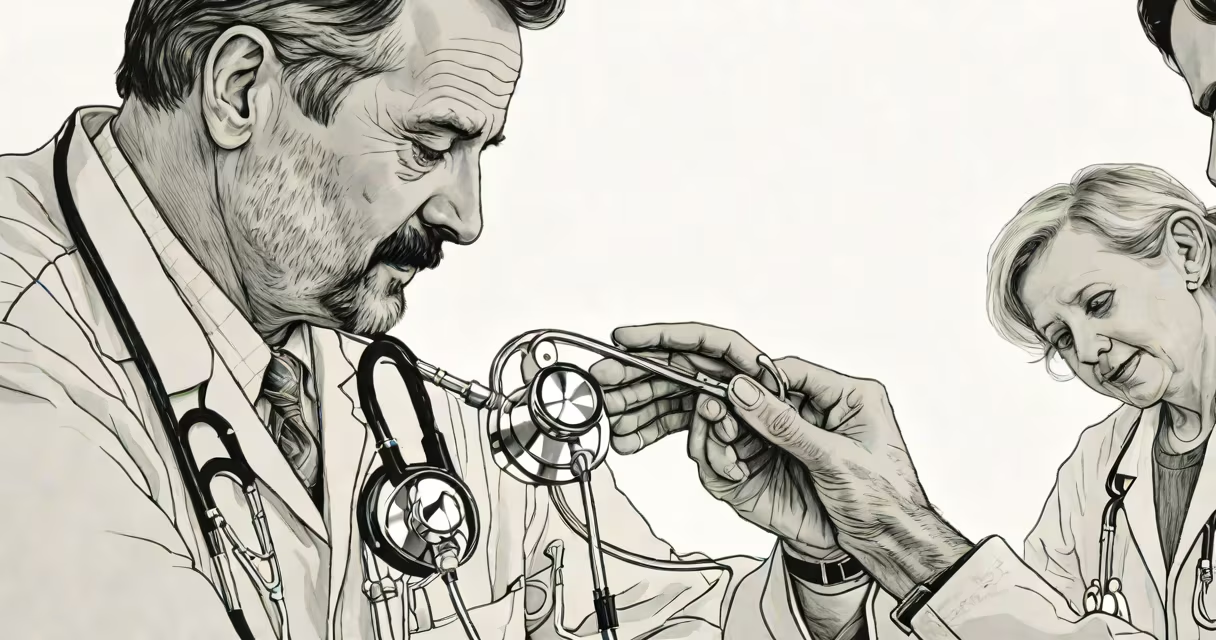
Medical refers to the science and practice of diagnosing, treating, and preventing disease through clinical evaluation, evidence-based interventions, and standardized procedures. It encompasses all aspects of healthcare delivered by licensed professionals such as physicians, nurses, and specialists.
Medical care begins with identifying symptoms through physical exams, lab tests, imaging, or patient history. Based on findings, providers recommend treatments ranging from medication and therapy to surgery. The goal is to restore health, manage chronic conditions, or prevent complications.
Medical systems operate under strict regulatory standards. In the U.S., the Food and Drug Administration (FDA) approves drugs and devices, while the Centers for Disease Control and Prevention (CDC) sets guidelines for infection control and public health measures. These bodies ensure that medical practices meet safety and efficacy benchmarks.
How Medical Works
Medical processes follow a structured sequence: assessment, diagnosis, intervention, and follow-up. A patient presents symptoms-such as persistent cough, fever, or chest pain-to a clinician. The provider conducts a physical exam, orders diagnostic tests (like blood work or X-rays), and reviews medical history.
Using clinical guidelines and diagnostic algorithms, the provider identifies likely causes. For example, a patient with shortness of breath and abnormal lung sounds may undergo a chest CT scan. If the scan shows a pulmonary embolism-a blood clot in the lung-the treatment plan includes anticoagulant medication like rivaroxaban, prescribed based on weight and kidney function.
Treatment continues with monitoring. After starting anticoagulants, the patient returns for INR (International Normalized Ratio) testing every few days to adjust dosage and prevent bleeding. This cycle of evaluation and adjustment is central to medical management.
Types of Medical Care
Medical services fall into distinct categories based on purpose and delivery model:
| Type | Description | Example |
|---|---|---|
| Primary Care | First point of contact for general health concerns. Focuses on prevention and early detection. | A family physician managing hypertension with lifestyle advice and lisinopril. |
| Specialty Care | Advanced treatment by experts in specific fields. | An oncologist prescribing chemotherapy for stage III colon cancer. |
| Emergency Care | Immediate response to life-threatening conditions. | Cardiologists performing emergency angioplasty during a heart attack. |
| Rehabilitative Care | Restoration of function after injury or illness. | A physical therapist guiding a stroke survivor through gait training. |
Each type requires different training, equipment, and coordination. Primary care often serves as a gatekeeper to specialty services, reducing unnecessary referrals and controlling costs.
Where and Why Medical Is Used
Medical services are delivered in hospitals, clinics, private offices, and urgent care centers. They are essential for managing acute events-like fractures or infections-and for long-term control of chronic diseases such as diabetes, heart failure, and asthma.
For instance, a 62-year-old man with type 2 diabetes sees his primary care provider every three months. His hemoglobin A1c levels are checked, insulin doses adjusted, and foot exams performed to detect early signs of neuropathy. Without regular medical oversight, complications like vision loss or kidney failure become more likely.
Medical interventions reduce mortality. According to the CDC, vaccination programs have eliminated smallpox and reduced measles cases by 99% since 1963. Antiretroviral therapy has transformed HIV from a fatal condition to a manageable chronic illness, extending life expectancy by decades.
Common Misconceptions and Clarifications
Medical is often confused with "healthcare" or "medicine." While related, they differ in scope. Healthcare includes social services, mental health counseling, and wellness programs. Medicine refers specifically to clinical interventions involving diagnosis and treatment.
Another misunderstanding is that medical care is always expensive. While advanced procedures like organ transplants carry high costs, many core services are low-cost or free. For example, the U.S. Preventive Services Task Force recommends annual cervical cancer screening via Pap smears for women aged 21-65. This test costs less than $100 in most clinics and prevents thousands of deaths annually.
There's also a myth that medical decisions are purely subjective. In reality, they rely on peer-reviewed research and consensus protocols. The American College of Cardiology and the American Heart Association jointly publish guidelines for managing coronary artery disease. These guidelines are updated every five years based on new trial data, such as the 2022 EMPA-REG OUTCOME study showing that empagliflozin reduces cardiovascular death in patients with type 2 diabetes and heart failure.
I once observed a rural clinic in Montana where a nurse practitioner used a handheld ultrasound device to diagnose a pregnant woman's ectopic pregnancy. The device cost $2,500 and was connected to a tablet running AI-assisted analysis software. Within 20 minutes, the team confirmed the diagnosis and arranged transfer to a hospital. This case illustrates how medical tools, even modest ones, deliver critical outcomes in underserved areas.
One non-obvious fact: medical records are not automatically shared between providers. Patients must give explicit consent for their data to be transferred. In 2021, the Office of the National Coordinator for Health IT reported that only 62% of U.S. hospitals had interoperable electronic health record systems. This gap delays care and increases errors-underscoring that access to medical information is not guaranteed, even within the system.
Conclusion
What is medical? It is the systematic application of scientific knowledge to identify, treat, and prevent illness. From routine screenings to life-saving surgeries, medical practice relies on validated methods, trained personnel, and coordinated infrastructure. Understanding this foundation helps patients engage effectively with providers and make informed choices about their health.