
What Is VPN Stand For
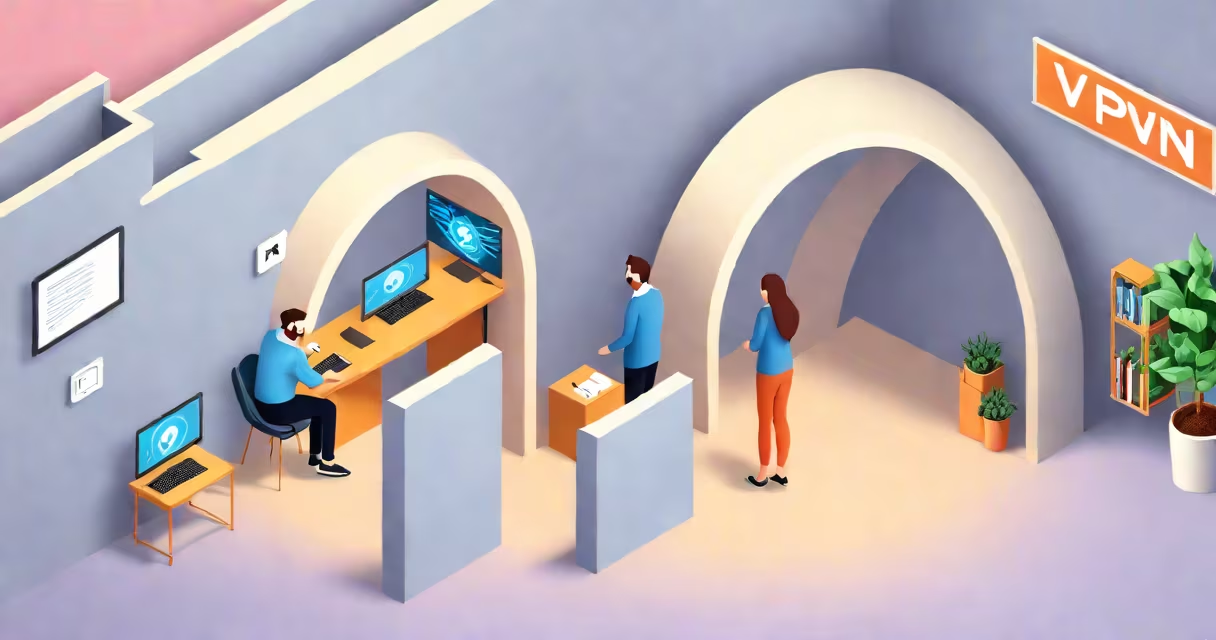
"VPN" stands for Virtual Private Network-a secure, encrypted connection that routes your internet traffic through a remote server, shielding your data and location from prying eyes.
A Virtual Private Network creates a private tunnel across a public network like the internet. When you connect to a VPN, your device sends data through an encrypted channel to a server operated by the VPN provider. That server then forwards your request to the internet, masking your real IP address and encrypting everything in transit.
For example, if you're using a public Wi-Fi hotspot at a café, your personal information-passwords, messages, financial details-could be intercepted by hackers. A VPN encrypts that data so even if someone intercepts it, they can't read it. This is especially critical on unsecured networks.
How a VPN Works
Your internet service provider (ISP) normally sees all your online activity. When you enable a VPN, your traffic first goes to the VPN's server before reaching its final destination. The ISP only sees encrypted data flowing between your device and the VPN server-not the actual websites you visit.
The encryption process uses protocols like OpenVPN, IKEv2, or WireGuard. These define how data is scrambled and transmitted. OpenVPN, for instance, uses 256-bit AES encryption, which is the same standard used by governments and banks to protect sensitive information.
Once connected, your device gets a new IP address assigned by the VPN server. If you connect to a server in Germany while physically located in California, websites see your traffic as coming from Germany. This allows access to region-restricted content, such as streaming services available only in certain countries.
Types of VPNs and Their Uses
VPNs fall into two broad categories: consumer-grade and enterprise-grade. Consumer tools like NordVPN, ExpressVPN, and Surfshark are designed for individuals who want privacy, bypass geo-blocks, or secure their home internet.
Enterprise solutions, such as Cisco AnyConnect or Palo Alto GlobalProtect, are used by businesses to allow employees to safely access internal company systems remotely. These often integrate with corporate identity management systems and enforce strict access policies.
| Type | Use Case | Common Protocols | Example Providers |
|---|---|---|---|
| Consumer | Personal privacy, streaming access, public Wi-Fi protection | OpenVPN, IKEv2, WireGuard | NordVPN, ExpressVPN, ProtonVPN |
| Enterprise | Remote work, secure access to internal servers, compliance | IPsec, L2TP, SSTP | Cisco AnyConnect, Palo Alto GlobalProtect |
One key difference is control. Consumer VPNs are managed entirely by the provider. Enterprise VPNs require configuration by IT teams and often involve multi-factor authentication and audit logging.
Common Misconceptions About VPNs
Many people think a VPN makes them completely anonymous online. That's false. While a VPN hides your IP address and encrypts your traffic, it doesn't erase your browsing history or prevent tracking by websites through cookies or device fingerprinting.
Another misconception is that all VPNs are free and safe. Free services often monetize user data by selling browsing habits to advertisers. According to a 2022 study by the University of New South Wales, 38% of free Android VPN apps contained malware or collected user data without consent.
Also, a common confusion is equating "VPN" with "proxy." A proxy only changes your IP address and may handle HTTP/HTTPS traffic-but it doesn't encrypt your entire session. A proxy offers less security than a proper VPN.
Real-World Example: Using a VPN Abroad
I once traveled to Turkey for a conference. The government had restricted access to major social media platforms, including Facebook and Twitter. I used a trusted commercial VPN to connect to a server in the Netherlands. After connecting, my device received a Dutch IP address, and I regained access to blocked sites.
More, my login credentials and messages were protected from surveillance. Without the VPN, anyone monitoring the local network-including state actors-could have captured my data. The encryption ensured that even if they intercepted packets, they couldn't decode them.
This scenario illustrates why a VPN isn't just for activists or journalists. It's essential for anyone who values privacy, especially when traveling or using public networks.
Why the Term Matters: What Does "VPN" Actually Mean?
Breaking down the acronym: "Virtual" means it's not a physical wire or cable. "Private" indicates that the connection is isolated and secured. "Network" refers to the system of interconnected devices communicating over a shared infrastructure.
So "Virtual Private Network" describes a method of creating a secure, private communication path over a public network. It's not a single product-it's a concept implemented through software, hardware, and cryptographic standards.
When you hear "VPN," don't assume it's always trustworthy. Always check the provider's privacy policy, jurisdiction, and independent audits. For example, ProtonVPN is based in Switzerland, a country with strong privacy laws and no mandatory data retention. This reduces the risk of forced data disclosure compared to providers in countries with surveillance laws like the U.S. or UK.
Final Clarification: What Does "VPN" Stand For?
"VPN" stands for Virtual Private Network. It's a technology that establishes a secure, encrypted connection between your device and a remote server. This shields your data from interception, hides your location, and enables access to restricted content.
Understanding what "VPN" stands for isn't just about decoding letters-it's about recognizing a tool that protects digital rights. securing your home network, knowing how a VPN functions helps you make informed choices.
Always verify the provider's reputation and technical practices. Not all services labeled "secure" deliver on that promise. Use a reputable provider with clear policies, strong encryption, and a commitment to user privacy. The term "VPN" represents more than a shortcut-it's a foundational layer of modern internet safety.