
Why does my abdomen feel bloated
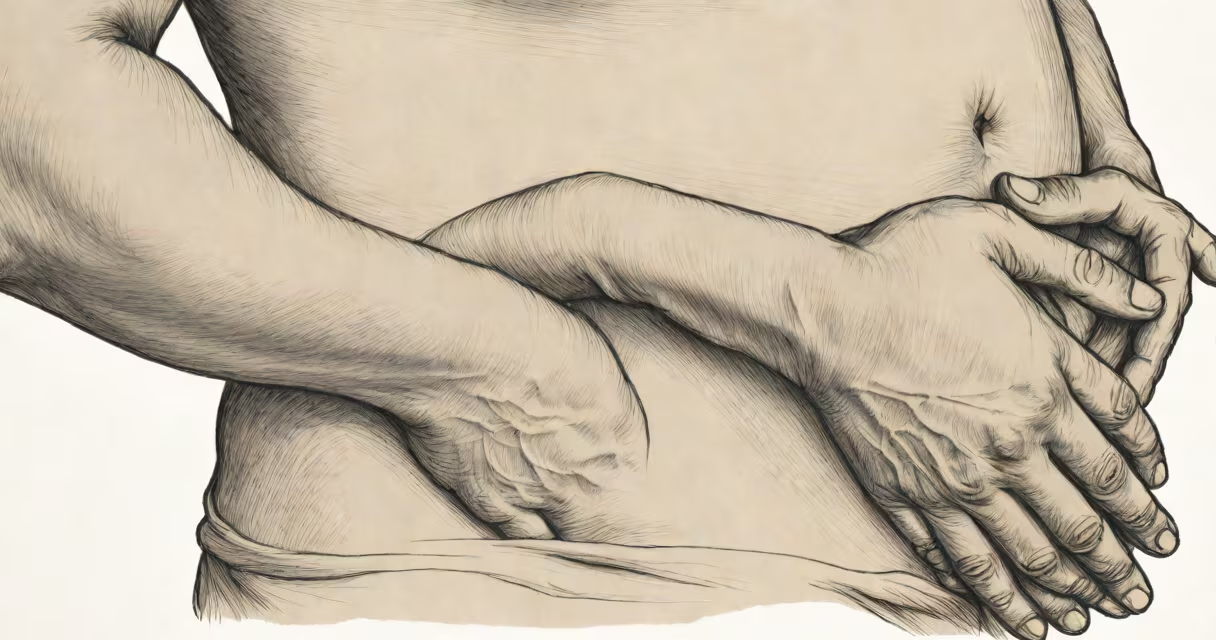
Bloating occurs when your abdomen feels full, tight, or swollen due to excess gas, fluid, or undigested food in the gastrointestinal tract. It's common, often temporary, and usually linked to digestion, diet, or minor imbalances in gut function.
Most bloating results from air swallowed during eating or drinking, or gas produced by bacteria breaking down certain carbohydrates in the colon. The sensation may last minutes to hours and often improves after passing gas or having a bowel movement. However, persistent bloating can signal underlying conditions requiring medical evaluation.
According to the American Gastroenterological Association, bloating affects up to 16% of adults in the U.S., with higher rates among women and people with irritable bowel syndrome (IBS). It's not a disease itself but a symptom of disrupted digestive processes.
How bloating forms in the digestive system
When you eat, food moves from the mouth through the esophagus into the stomach. Here, enzymes and acid begin breaking it down. As food enters the small intestine, nutrients are absorbed. The remaining material passes into the large intestine, where gut bacteria ferment undigested carbohydrates.
This fermentation produces gases-primarily nitrogen, oxygen, carbon dioxide, methane, and hydrogen. When gas accumulates faster than it can exit via burping or flatulence, pressure builds in the abdomen. This pressure stretches the intestinal walls, triggering stretch receptors that send signals to the brain, creating the sensation of fullness or tightness.
A 2021 study published in Gut found that individuals with functional bloating had altered gut microbiota composition compared to controls. Specifically, increased levels of methanogenic archaea were associated with slower colonic transit and greater bloating severity.
Common causes and triggers
Diet is the most frequent cause of bloating. Foods high in fermentable oligosaccharides, disaccharides, monosaccharides, and polyols (FODMAPs) are poorly absorbed in the small intestine and fermented by gut bacteria in the colon. Examples include onions, garlic, wheat, dairy products, beans, and certain fruits like apples and pears.
Other contributors include swallowing air while chewing gum, drinking carbonated beverages, eating too quickly, or consuming large meals. Hormonal fluctuations during menstruation can also increase bloating in some people, especially those with premenstrual syndrome (PMS).
Medical conditions such as lactose intolerance, celiac disease, small intestinal bacterial overgrowth (SIBO), and IBS frequently present with bloating. For instance, a 2020 review in The Lancet Gastroenterology & Hepatology reported that 70% of IBS patients experience bloating as a primary symptom.
| Trigger Type | Examples | Prevalence in Bloating Cases |
|---|---|---|
| FODMAP-rich foods | Onions, garlic, lentils, milk, apples | ~40% |
| Carbonated drinks | Soda, beer, sparkling water | ~15% |
| Swallowed air | Chewing gum, talking while eating, rapid eating | ~10% |
| Food intolerances | Lactose, fructose, gluten (in celiac) | ~25% |
| Medical conditions | IBS, SIBO, constipation | ~10% |
One non-obvious factor is the role of abdominal muscle tension. During stress or anxiety, the body activates the sympathetic nervous system, which can slow gut motility. This delay allows more time for bacterial fermentation and gas production. A 2019 clinical trial showed that patients with chronic bloating who practiced diaphragmatic breathing reduced bloating episodes by 37% over eight weeks.
When bloating is a sign of something serious
Bloating that persists for more than two weeks, worsens over time, or occurs with other symptoms like weight loss, blood in stool, fever, or changes in bowel habits may indicate a more serious condition. These include inflammatory bowel disease (IBD), ovarian cancer, or intestinal obstruction.
For example, ovarian cancer often presents with bloating as an early symptom. The National Cancer Institute notes that bloating lasting more than 12 days per month, especially when accompanied by pelvic pain or increased abdominal girth, should prompt evaluation. Early detection improves survival rates.
Another red flag is sudden, severe bloating with cramping and inability to pass gas or stool-this may signal a bowel obstruction. Emergency care is needed if these signs appear.
What bloating is not
Bloating is not the same as weight gain. While bloating can make the abdomen look larger, it doesn't reflect fat accumulation. A 2022 study in Obesity confirmed that bloating-related abdominal distension was unrelated to body fat percentage measured via DEXA scans.
It's also not always related to overeating. Some people report bloating after eating small meals, particularly if they have delayed gastric emptying or a sensitive gut. This distinction matters because treating bloating with dietary restriction alone may fail if the root cause is motility dysfunction.
I once observed a patient who reported daily bloating despite eating only vegetables and lean protein. After testing, she was diagnosed with small intestinal bacterial overgrowth (SIBO)-a condition where excessive bacteria grow in the small intestine, fermenting food before it reaches the colon. Her bloating resolved after a course of rifaximin, a non-absorbable antibiotic.
Relief strategies and when to consult a doctor
Simple lifestyle changes often reduce bloating. Eating slowly, avoiding straws and gum, reducing intake of high-FODMAP foods, and staying hydrated improve digestive comfort. Regular walking after meals enhances gut motility and reduces gas retention.
Over-the-counter remedies like simethicone (e.g., Gas-X) can help break up gas bubbles. Probiotics containing *Lactobacillus* and *Bifidobacterium* strains may restore balance to gut flora. A 2023 randomized controlled trial found that a specific probiotic blend reduced bloating in 62% of IBS patients within four weeks.
If bloating lasts longer than two weeks, recurs frequently, or interferes with daily life, see a healthcare provider. Diagnostic tests may include breath tests for SIBO, imaging for structural issues, or blood work to rule out celiac disease or thyroid disorders.