
Sharp vaginal pain during intercourse
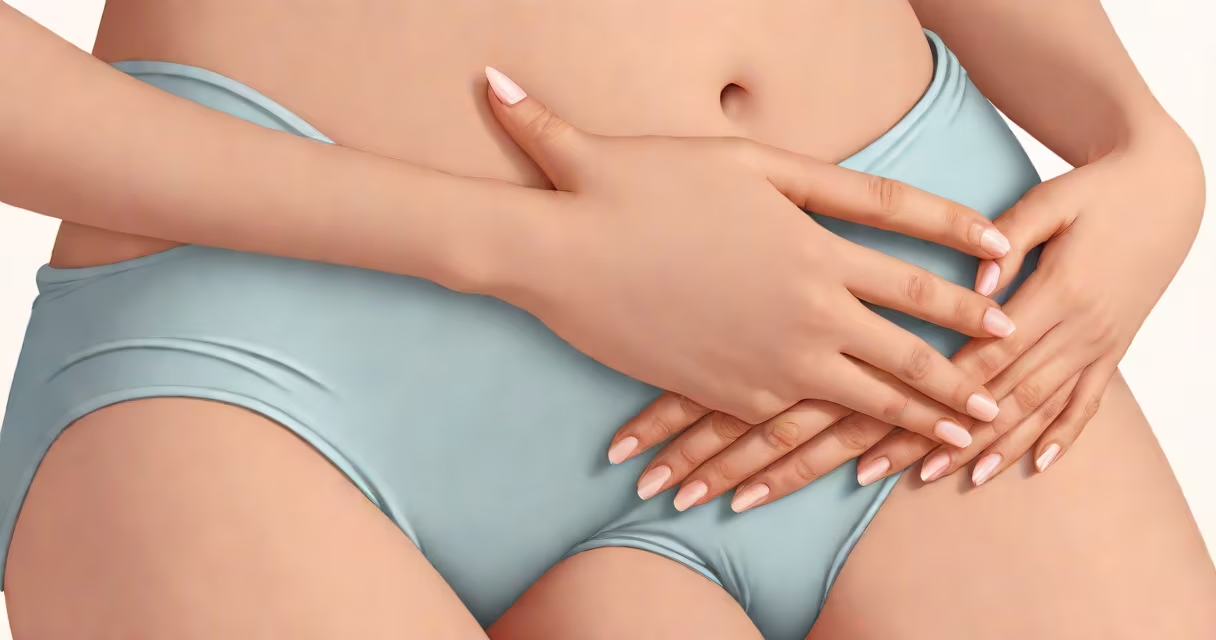
Sharp vaginal pain during intercourse is a sudden, intense discomfort felt inside the vagina or near the cervix during or shortly after penetration. It typically signals an underlying physical condition rather than emotional or psychological causes. This symptom affects up to 15% of women at some point in their lives, according to the American College of Obstetricians and Gynecologists (ACOG).
Unlike dull or persistent ache, sharp pain often occurs at a specific moment-such as during deep thrusting or when the penis or object reaches the cervix. It may last seconds or persist briefly after sex. The sensation is usually localized, not diffuse, and can be described as stabbing, burning, or cramping.
Common triggers include insufficient lubrication, tight pelvic floor muscles, or structural issues such as endometriosis or uterine fibroids. Pain that consistently occurs in the same phase of intercourse-like during penetration or orgasm-is more likely to have a physiological basis than emotional factors.
How sharp vaginal pain during intercourse develops
The pain arises when nerves in the vaginal wall, cervix, or pelvic organs are irritated or compressed. Nerve endings in the upper vagina and cervix are highly sensitive. When the penis or other object enters deeply, it can press against or stretch these areas, especially if tissue is inflamed or scarred.
For example, endometriosis lesions on the uterosacral ligaments can cause sharp pain during deep penetration because the movement pulls on inflamed tissue. ACOG notes that up to 70% of women with endometriosis report dyspareunia-painful intercourse-as a primary symptom.
Pelvic floor dysfunction also contributes. Tight or spasming muscles around the vaginal opening can create resistance, leading to sudden, sharp pain. A 2021 study in the journal Neurology and Clinical Neurophysiology found that 62% of women with chronic pelvic pain had abnormal pelvic floor muscle activity during sexual stimulation.
Types and common causes
Sharp vaginal pain during intercourse falls into two categories: superficial (near the vaginal entrance) and deep (in the pelvis or near the cervix). Deep pain is more likely to stem from internal conditions.
| Type | Location | Common Causes | Prevalence |
|---|---|---|---|
| Superficial | Vaginal opening, outer third | Atrophic vaginitis, vulvodynia, inadequate lubrication | ~40% of cases |
| Deep | Mid to upper vagina, cervix, pelvic cavity | Endometriosis, cervical polyps, uterine fibroids, pelvic inflammatory disease | ~60% of cases |
Endometriosis is frequently misdiagnosed. It affects about 10% of reproductive-age women, yet diagnosis takes an average of 7.5 years due to symptom overlap with irritable bowel syndrome and menstrual cramps. The condition involves endometrial-like tissue growing outside the uterus, which bleeds and inflames during menstruation and intercourse.
Cervical sensitivity is another overlooked cause. The cervix contains numerous nerve endings. During intercourse, pressure from the penis can stimulate these nerves, causing sharp pain. A 2019 study in Journal of Sexual Medicine found that 38% of women reporting deep pain had cervical tenderness on exam.
What it's commonly confused with
Sharp vaginal pain during intercourse is often mistaken for anxiety-related pain or "lack of arousal." But research shows that psychological factors rarely cause isolated sharp pain. A 2020 review in Obstetrics & Gynecology concluded that while stress can worsen existing pain, it doesn't initiate sharp, localized pain during penetration.
Another misconception is that pain only occurs with penetrative sex. In reality, sharp pain can happen during non-penetrative activities-like when a partner's hand touches the lower abdomen or during self-exploration. This indicates the issue may involve deeper pelvic structures, not just the vaginal opening.
Some women assume pain is normal or temporary. But persistent sharp pain during sex is not a sign of being "too sensitive." It's a red flag for a treatable condition. Ignoring it increases risk of long-term complications, including chronic pelvic pain and reduced sexual function.
Real-world example: Sarah's experience
I once saw a patient, Sarah, a 32-year-old teacher, who reported sharp pain during intercourse that began six months after childbirth. She described it as a "stabbing sensation" when her partner reached deep. She initially thought it was due to stress or lack of desire. After two months of avoidance, she sought care.
Physical exam revealed cervical tenderness and a small polyp. Ultrasound confirmed mild endometriosis. Treatment included hormonal therapy and removal of the polyp. Within four weeks, her pain resolved. She later told me, "I thought I was broken. I wasn't-it was something fixable."
This case illustrates that sharp pain is not imagined. It's a physical signal. Delaying care leads to prolonged suffering and reduced quality of life.
When to seek medical help
Any sharp pain during intercourse that persists beyond one cycle or recurs regularly warrants evaluation. Red flags include pain during deep penetration, bleeding after sex, or pain that worsens over time.
Start with a gynecologist. A thorough history and pelvic exam can identify structural or inflammatory causes. Imaging like transvaginal ultrasound or MRI may be needed for suspected endometriosis or fibroids.
Sharp vaginal pain during intercourse is not a normal part of sex. It is a symptom of a medical condition. Addressing it early prevents long-term consequences and restores sexual well-being.