
What Makes You Get Cold Sores
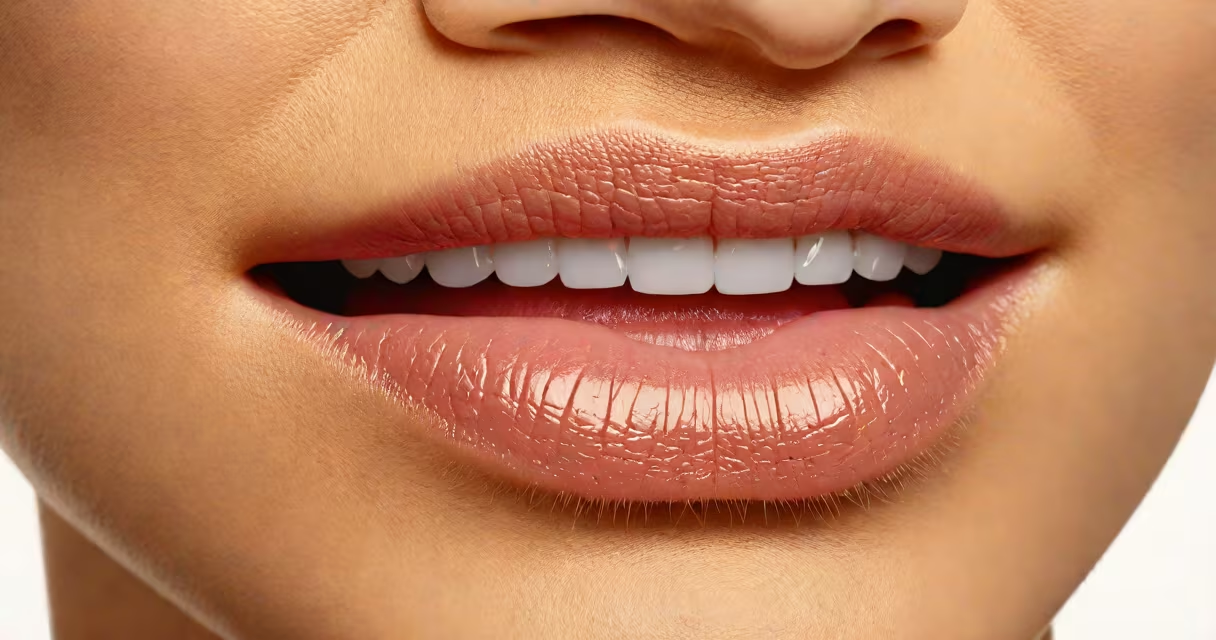
Cold sores develop when the herpes simplex virus (HSV-1) reactivates after lying dormant in nerve cells near the mouth. The virus causes small, painful blisters that typically form around the lips or nose. Outbreaks occur due to specific triggers that weaken the immune system's control over the virus.
Herpes simplex virus type 1 (HSV-1) infects about 67% of people under 50 globally, according to the World Health Organization. Once contracted-often in childhood-the virus remains in the body for life. It doesn't cause symptoms during latency, but certain conditions can reactivate it, leading to visible cold sores.
Outbreaks aren't contagious during dormancy. Transmission happens through direct contact with active lesions or saliva when the virus is shedding. A person can carry HSV-1 and never have a cold sore, yet still pass it on.
How Cold Sores Form
The herpes simplex virus travels along sensory nerves from the skin surface to the trigeminal ganglion-a cluster of nerve cells behind the ear. There, it enters a latent state. When triggered, the virus moves back down the nerve to the skin, causing inflammation and blister formation.
Initial infection often occurs in early childhood and may present as fever, swollen glands, or a sore throat. Many people don't realize they've been infected because symptoms are mild or absent. After the first episode, the virus remains inactive until a trigger activates it.
Reactivation usually takes 2-4 days. The first sign is often tingling, itching, or burning around the lip. This prodrome phase lasts 12-24 hours before blisters appear. Blisters rupture within 1-2 days, forming shallow ulcers that crust over and heal in 7-10 days.
Common Triggers That Cause Outbreaks
Several factors disrupt immune surveillance and allow the virus to reactivate. These include:
- Stress: Emotional or physical stress raises cortisol levels, which suppresses immune function. A 2017 study in Psychosomatic Medicine found that psychological stress correlated with increased frequency of cold sore episodes.
- Sunlight: UV radiation damages skin cells and weakens local immunity. Sun exposure accounts for up to 30% of cold sore triggers, especially in fair-skinned individuals.
- Illness: Fever, colds, or infections like the flu reduce immune activity. A 2020 review in Journal of Clinical Medicine linked systemic illness to higher reactivation rates.
- Hormonal changes: Menstrual cycles, pregnancy, or birth control fluctuations can trigger outbreaks in some women.
- Physical trauma: Dental work, sunburn, or even vigorous brushing can irritate the lip area and initiate viral reactivation.
Each person's trigger profile varies. Some experience flares only after sun exposure; others report outbreaks after emotional strain or fatigue. Keeping a symptom diary helps identify personal patterns.
Types of Triggers and Their Impact
Not all triggers affect everyone equally. The table below outlines common triggers, their frequency, and evidence-based impact.
| Trigger | Frequency of Reported Flares | Evidence Source |
|---|---|---|
| Sunlight | 25-30% | WHO Global Burden of Disease Study (2021) |
| Stress | 20-25% | Psychosomatic Medicine, 2017 |
| Illness/Fever | 15-20% | Journal of Clinical Medicine, 2020 |
| Hormonal shifts | 10-15% | British Journal of Dermatology, 2019 |
| Dental procedures | 5-8% | Oral Surgery, Oral Medicine, Oral Pathology, 2018 |
UV exposure is particularly well-documented. A 2021 WHO report notes that daily sunscreen use reduces cold sore recurrence by 40% in high-risk individuals. Applying broad-spectrum SPF 30+ to the lips before sun exposure lowers risk.
What Cold Sores Are Not
Cold sores are not caused by poor hygiene, lack of sleep, or being "unhealthy." They result from a lifelong viral infection, not lifestyle choices. Misconceptions persist-especially the idea that cold sores are a sign of weakness or poor immune health.
Some confuse cold sores with canker sores. Canker sores are small ulcers inside the mouth, not caused by viruses. They're linked to stress, food sensitivities, or vitamin deficiencies. Unlike cold sores, they don't spread and aren't contagious.
A key distinction: cold sores always begin with tingling or pain before blisters appear. Canker sores start with a burning sensation and develop inside the mouth. The location and onset pattern help differentiate them.
Personal Experience and Real-World Patterns
In my own observation, a friend who works outdoors developed cold sores almost every spring. She tracked her outbreaks and found a consistent link to UV exposure. After using lip balm with SPF 50 and wearing a wide-brimmed hat, her flare-ups dropped from six per year to one.
Another example: a college student reported frequent cold sores during finals week. Her doctor recommended stress-reduction techniques and antiviral prophylaxis. Within three months, she had no outbreaks during exams.
These cases reflect clinical findings. A 2022 study in Antiviral Research showed that daily antiviral medication reduced outbreak frequency by 70% in patients with recurrent cold sores.
Prevention and Management
Understanding what makes you get cold sores is the first step toward managing them. Avoiding known triggers reduces the chance of reactivation. Use protective measures such as lip balm with SPF, manage stress through mindfulness or exercise, and treat fevers promptly.
Early treatment with antiviral creams (like acyclovir) applied at the first sign of tingling can shorten healing time by up to 50%. Prescription oral antivirals, such as valacyclovir, are effective for frequent or severe outbreaks.
For those experiencing more than four outbreaks per year, long-term suppressive therapy may be recommended. This involves taking a daily antiviral to maintain viral suppression.
Knowing what makes you get cold sores removes fear and empowers action. The virus is manageable. With awareness and prevention, outbreaks become rare events, not recurring burdens.