
What Affects the Liver
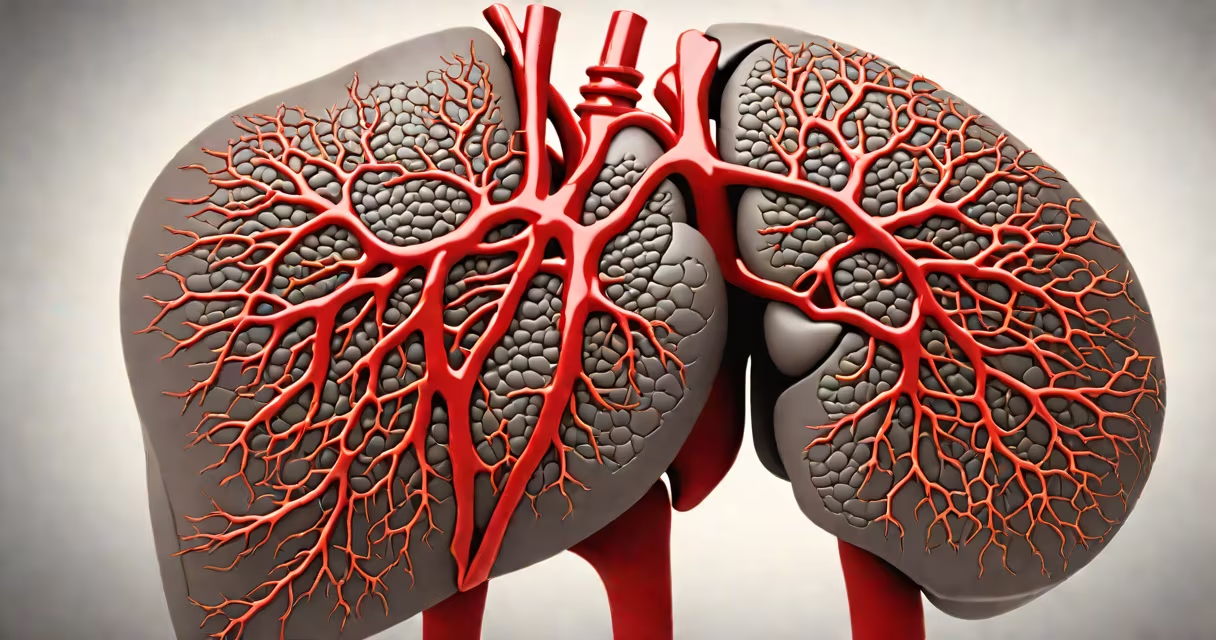
What affects the liver refers to substances, behaviors, and medical conditions that impair liver function or cause structural damage. The liver processes toxins, metabolizes drugs, produces bile, and regulates blood sugar. When compromised, it cannot perform these tasks effectively, leading to fatigue, jaundice, or cirrhosis.
The liver operates continuously, filtering about 1.4 liters of blood per minute. It detoxifies chemicals, breaks down hormones, and stores energy. Any disruption to this system-whether from medication, alcohol, or disease-can reduce its efficiency. For example, acetaminophen overdose is a leading cause of acute liver failure in the U.S., according to the American Liver Foundation.
Common triggers include prescription drugs, recreational substances, poor diet, and chronic infections. These stress the organ's cells, causing inflammation, scarring, or cell death. Without intervention, damage progresses silently until symptoms appear-often too late for full recovery.
How the Liver Responds to Stressors
The liver adapts to injury through regeneration. Healthy liver tissue can regrow after mild damage, such as from short-term alcohol consumption or a single high-dose medication. However, repeated exposure overwhelms this capacity. Over time, scar tissue replaces functional cells, reducing metabolic output and increasing portal pressure.
For instance, a person taking daily acetaminophen above 3,250 mg may develop hepatotoxicity. This exceeds the liver's ability to conjugate the drug safely. Unmetabolized compounds bind to liver proteins, triggering oxidative stress and necrosis. Symptoms include nausea, abdominal pain, and elevated liver enzymes (ALT/AST).
Chronic stress leads to fibrosis-excess collagen deposition. Once fibrosis becomes advanced, it results in cirrhosis. The Mayo Clinic reports that cirrhosis accounts for nearly 40% of liver-related deaths in adults aged 45-64. Early detection through blood tests and imaging improves survival rates.
Substances and Behaviors That Impact Liver Health
Medications are among the most common causes of liver injury. Over 1,000 drugs have been linked to hepatotoxicity, including statins, antibiotics like isoniazid, and anticonvulsants such as valproic acid. The FDA maintains a database of drug-induced liver injury cases, which shows that 1 in 10,000 users of certain antidepressants report abnormal liver function tests.
Alcohol is another major factor. Consuming more than 30 grams of pure ethanol daily (about 2-3 standard drinks) increases risk of steatosis-fat accumulation in liver cells. After five years of heavy drinking, 30% of individuals develop alcoholic hepatitis, marked by fever, confusion, and bleeding tendencies.
Diet plays a critical role. High intake of saturated fats and fructose correlates with non-alcoholic fatty liver disease (NAFLD). A 2021 study in Journal of Hepatology found that people consuming more than 75 grams of added sugar per day had a 2.3-fold higher chance of developing NAFLD compared to those under 25 grams.
| Factor | Typical Exposure Level | Effect on Liver | Source |
|---|---|---|---|
| Acetaminophen (daily) | >3,250 mg | Centrilobular necrosis | American Liver Foundation |
| Alcohol (chronic) | >30 g/day | Fatty infiltration, fibrosis | Mayo Clinic |
| Added sugars (daily) | >75 g | Insulin resistance, fat accumulation | Journal of Hepatology, 2021 |
Even supplements can harm the liver. Green tea extract, often marketed for weight loss, has caused acute liver failure in several documented cases. The National Institutes of Health reports 15 confirmed instances between 2002 and 2015, with four resulting in transplant or death.
Common Misconceptions and Confusions
Many assume that only alcohol causes liver damage. But NAFLD now affects 25% of adults globally, according to the World Health Organization. It develops silently in overweight individuals, even without alcohol use. A patient with a BMI over 30 and elevated ALT levels may have NAFLD-even if they've never touched alcohol.
Another myth is that liver problems always show clear symptoms. In reality, early stages are asymptomatic. Fatigue, bloating, or mild abdominal discomfort are vague signs easily dismissed. By the time jaundice appears-yellowing of skin and eyes-the liver may already be severely damaged.
Some confuse liver enzyme elevation with disease. A single elevated AST or ALT reading doesn't diagnose liver disease. Levels fluctuate due to exercise, dehydration, or recent meals. Repeat testing over weeks is required for accurate assessment. The American Gastroenterological Association recommends confirming abnormalities with two consecutive tests before initiating further evaluation.
Real-World Example: A Patient Case Study
In 2020, a 48-year-old man presented with unexplained fatigue and dark urine. He drank alcohol socially-three beers twice a week-and took ibuprofen for joint pain. His lab work showed ALT at 180 U/L (normal: 7-56) and AST at 140 U/L. Ultrasound revealed fatty infiltration.
He was diagnosed with mixed drug- and alcohol-induced liver injury. After stopping ibuprofen and reducing alcohol to once monthly, his enzymes normalized within eight weeks. He also adopted a Mediterranean-style diet rich in vegetables, fish, and olive oil. His follow-up scan six months later showed reduced fat content.
This case illustrates how multiple low-risk exposures combine to cause harm. No single factor reached toxic thresholds-but together, they overwhelmed liver capacity.
Prevention and Management
Reducing exposure to known hepatotoxins is key. Always follow dosage instructions for medications. Avoid combining acetaminophen with alcohol. Limit processed foods high in fructose and trans fats. The Centers for Disease Control and Prevention advises adults to consume less than 10% of daily calories from added sugars-about 50 grams for a 2,000-calorie diet.
Regular screening helps catch issues early. Adults over 40 should have annual liver panel blood tests if they have risk factors like obesity, diabetes, or family history of liver disease. Imaging tools like FibroScan can detect fibrosis without biopsy.
Understanding what affects the liver enables proactive protection. Most damage stems from cumulative, reversible exposures. Addressing them early prevents irreversible decline. The liver's resilience is notable-but only if given time and support.