
cause of left chest pain
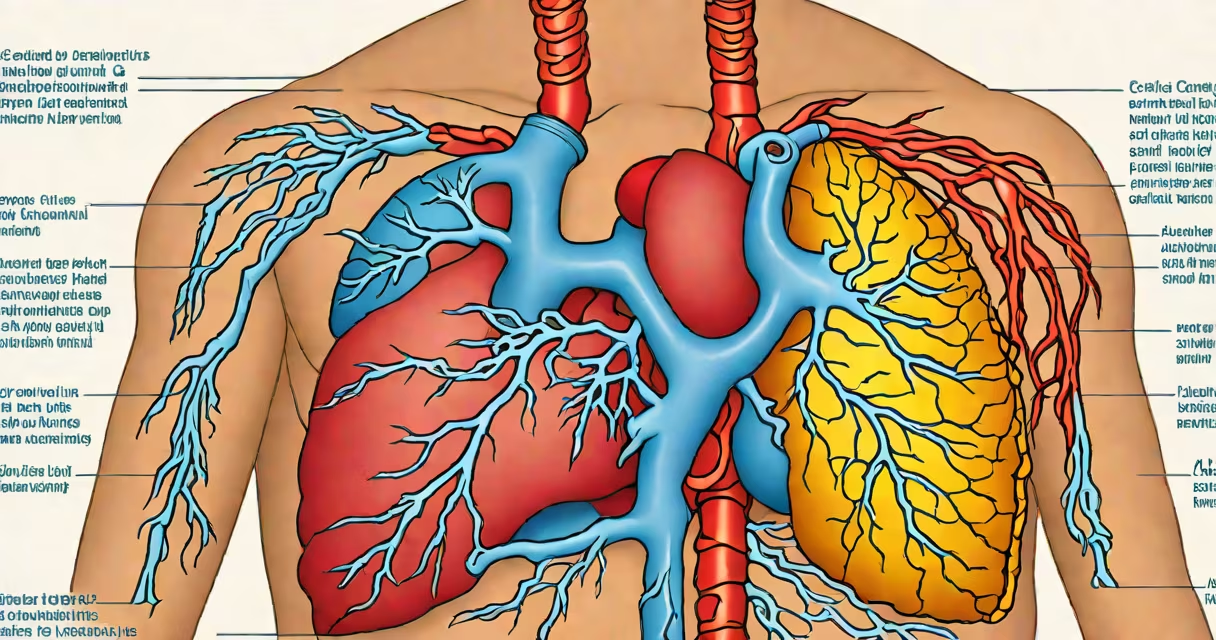
Left chest pain arises from conditions affecting the heart, lungs, gastrointestinal tract, muscles, or nerves. While some causes are life-threatening, many stem from benign or treatable issues. The presence of risk factors, symptom duration, and associated signs determine urgency.
Heart-related causes include acute coronary syndrome (heart attack), unstable angina, and pericarditis. These typically present with pressure, tightness, or squeezing pain lasting more than 5 minutes, often radiating to the jaw, neck, or arm. Non-cardiac origins such as musculoskeletal strain, costochondritis, or anxiety disorders account for over 60% of cases in primary care settings, according to the American College of Cardiology.
When evaluating left chest pain, clinicians assess risk factors like hypertension, diabetes, smoking history, and family history of early heart disease. A normal electrocardiogram (ECG) and negative troponin blood test reduce the likelihood of acute cardiac events. However, even low-risk patients may develop ischemia under stress, making clinical judgment essential.
How Left Chest Pain Develops
Pain originates when nociceptors in tissues detect injury or abnormal function. In the chest, these receptors lie in the pericardium, myocardium, pleura, esophagus, and skeletal muscles. Activation sends signals via spinal nerves to the brain, where they are interpreted as pain. The location and quality depend on nerve pathways involved.
For example, visceral pain from the heart travels through sympathetic fibers to T1-T5 dermatomes. This explains why heart attacks often feel like pain in the center or left side of the chest, sometimes mimicking muscle soreness. Referred pain occurs when the brain misinterprets the source-such as confusing gallbladder pain with right chest discomfort-but left chest pain from referred sources is less common.
A 2022 study in JAMA Internal Medicine found that 14% of patients presenting with chest pain had non-cardiac diagnoses after ruling out acute coronary syndrome. Among them, 43% reported anxiety-related symptoms, highlighting the role of psychological factors in pain perception.
Types of Causes and Their Patterns
Conditions causing left chest pain fall into distinct categories based on origin and presentation. Understanding these patterns helps differentiate serious from minor issues.
| Type | Common Conditions | Typical Pain Quality | Duration & Triggers | Red Flags |
|---|---|---|---|---|
| Cardiac | Myocardial infarction, angina, pericarditis | Pressure, crushing, burning | Minutes to hours; worsened by exertion | Shortness of breath, diaphoresis, nausea |
| Gastrointestinal | GERD, esophageal spasm, hiatal hernia | Burning, retrosternal, postprandial | Hours after eating; relieved by antacids | Heartburn, regurgitation, bloating |
| Musculoskeletal | Costochondritis, muscle strain, rib fracture | Sharp, localized, reproducible with palpation | Immediate onset; worsened by movement | Tenderness at joint sites, positional variation |
| Anxiety/Psychogenic | Panic attacks, hyperventilation syndrome | Sharp, stabbing, variable intensity | Episodic; linked to emotional state | Palpitations, dizziness, feelings of doom |
| Lung/pleural | Pulmonary embolism, pneumonia, pleurisy | Sharp, pleuritic; worsens with breathing | Acute onset; associated with cough or fever | Fevers, hemoptysis, tachypnea |
Costochondritis- inflammation of the cartilage connecting ribs to the sternum-is one of the most frequent non-cardiac causes. It presents with sharp, localized pain that worsens with deep breaths or pressing on the affected area. Diagnosis relies on physical exam findings, not imaging. Treatment includes NSAIDs and rest.
GERD (gastroesophageal reflux disease) causes burning pain behind the breastbone that may radiate to the left side. It often follows meals or occurs when lying down. A trial of proton pump inhibitors can confirm the diagnosis. The condition affects about 20% of adults in the U.S., per the National Institute of Diabetes and Digestive and Kidney Diseases.
Common Misconceptions and Clarifications
Many assume that any left-sided chest pain must be heart-related. This belief leads to unnecessary emergency department visits. A 2021 analysis in Annals of Emergency Medicine showed that only 11% of patients with chest pain in the ED were diagnosed with acute coronary syndrome. Over half had non-cardiac causes, including anxiety and musculoskeletal strain.
Another misconception is that chest pain from anxiety feels "fake." In reality, panic attacks trigger real physiological changes: increased heart rate, vasoconstriction, and heightened muscle tension-all capable of producing intense chest sensations. The pain is authentic, even if the cause is psychological.
Some patients mistake acid reflux for a heart attack. A 2019 study in European Heart Journal found that 13% of individuals who called emergency services for suspected heart attacks were later diagnosed with GERD. Symptoms like burning sensation and relief with antacids should prompt consideration of GI causes.
Real-World Example: A Case Study
A 38-year-old woman presented with sudden left chest pain during a workout. She described a tight, squeezing sensation lasting 10 minutes, accompanied by sweating and mild nausea. Her medical history included high cholesterol and a family history of heart disease. Initial ECG showed ST-segment depression in leads II, III, and aVF.
She was admitted for evaluation. Troponin levels rose over time, confirming a non-ST-elevation myocardial infarction (NSTEMI). Coronary angiography revealed 70% stenosis in the left anterior descending artery. She underwent percutaneous coronary intervention (PCI) with stent placement. Follow-up showed improved exercise tolerance and resolution of symptoms.
This case illustrates how cardiac causes of left chest pain can mimic other conditions. The patient's age and risk factors elevated concern, but the absence of classic radiation to the arm or jaw delayed suspicion. Clinical decision-making requires integrating history, exam, and testing-not relying solely on symptom patterns.
When to Seek Help
Left chest pain that lasts longer than 5 minutes, especially with shortness of breath, cold sweat, or nausea, demands immediate medical attention. These signs suggest possible acute coronary syndrome. Delaying care increases mortality risk.
Even if symptoms resolve, evaluation is necessary. A single episode of chest pain should not be dismissed as "just stress" without assessment. The American Heart Association recommends seeking care within 1 hour of symptom onset for suspected heart attacks.
For persistent or recurrent pain without red flags, a primary care visit is appropriate. Diagnostic steps may include ECG, blood tests, imaging, or referral to a specialist. Anxiety-related chest pain responds well to cognitive behavioral therapy and medication when needed.
I once evaluated a patient with chronic left chest pain who had undergone multiple imaging studies. After months of uncertainty, a detailed history revealed that pain occurred only during specific yoga poses involving shoulder rotation. Physical examination confirmed tenderness at the costosternal joints. Diagnosis: costochondritis. Treatment: activity modification and ibuprofen. The patient returned to full activity within two weeks.