
What is rubella antibody igg
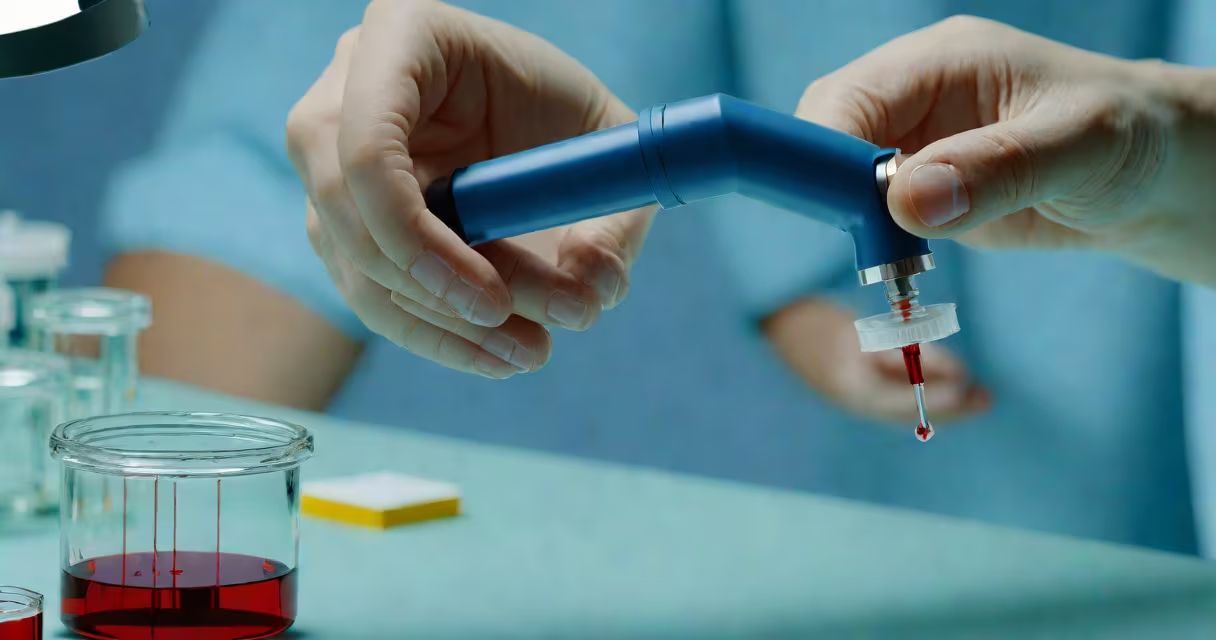
Rubella antibody IgG is a specific immunoglobulin G protein produced by the immune system after exposure to the rubella virus or vaccination. Its presence in blood indicates long-term immunity, protecting against reinfection and preventing transmission to unborn babies during pregnancy.
IgG antibodies are the most common type found in blood serum. They appear weeks after infection or vaccination and persist for years, sometimes lifelong. Unlike IgM antibodies, which signal recent or active infection, IgG reflects past exposure and lasting protection. This makes rubella antibody IgG a key marker in assessing immunity status, especially in women planning pregnancy.
The Centers for Disease Control and Prevention (CDC) recommends checking rubella IgG levels before conception. A positive result means immunity is established. A negative result indicates susceptibility, requiring vaccination-though not during pregnancy. The American College of Obstetricians and Gynecologists (ACOG) states that unimmunized pregnant individuals face a 90% risk of passing rubella to the fetus in the first trimester, leading to severe birth defects.
How rubella antibody igg testing works
Testing involves drawing a small blood sample, usually from a vein in the arm. The sample is sent to a clinical laboratory where it's analyzed using enzyme-linked immunosorbent assay (ELISA) or chemiluminescent immunoassay (CLIA). These methods detect whether IgG antibodies bind to rubella antigens.
Results are reported as quantitative values (IU/mL) or qualitative (positive/negative). A level above 10 IU/mL is generally considered protective. Levels below 5 IU/mL indicate lack of immunity. Between 5 and 10 IU/mL is indeterminate and may require repeat testing.
For example, a woman with a rubella IgG level of 28 IU/mL has strong immunity. She is unlikely to contract rubella during pregnancy and cannot pass it to her baby. A level of 3 IU/mL suggests she is not protected and should receive the MMR vaccine after delivery.
Types of rubella antibody igg results
| Result Type | Value Range | Interpretation |
|---|---|---|
| Positive (Immune) | >10 IU/mL | Protective immunity confirmed |
| Indeterminate | 5-10 IU/mL | Repeat test recommended |
| Negative (Susceptible) | <5 IU/mL | No immunity; at risk of infection |
Some labs report results as "reactive" or "non-reactive." Reactive means IgG is detected. Non-reactive means no measurable antibodies. Always check the reference range provided by the lab, as cutoffs vary slightly between manufacturers.
Why rubella antibody igg matters in pregnancy
Maternal rubella infection during early pregnancy causes congenital rubella syndrome (CRS), a group of birth defects including cataracts, heart malformations, hearing loss, and intellectual disability. The CDC estimates that CRS occurs in nearly all fetuses exposed to rubella in the first 11 weeks of gestation.
Women who are seronegative for rubella IgG should not receive the MMR vaccine during pregnancy. Instead, they are vaccinated postpartum. The vaccine contains live attenuated virus and is contraindicated in pregnancy due to theoretical fetal risk. A follow-up test after vaccination confirms seroconversion.
One study published in Obstetrics & Gynecology found that 1.5% of pregnant women in the U.S. were susceptible to rubella despite routine childhood vaccination. This highlights the need for screening even among those with documented vaccination history.
Common misconceptions and clarifications
Many assume that receiving the MMR vaccine as a child guarantees lifelong immunity. While the vaccine is effective-97% protective after two doses-it doesn't guarantee 100% response. Some people fail to develop sufficient IgG levels, particularly if vaccinated at younger ages or with suboptimal storage conditions.
Another misconception is that a positive rubella IgG result means current infection. This is incorrect. IgG antibodies do not indicate active disease. They reflect past exposure. To confirm acute infection, clinicians look for IgM antibodies or viral RNA via PCR.
A non-obvious fact: rubella IgG can cross the placenta and be detected in newborns for up to 6 months. This creates a false-positive in infants tested shortly after birth. The CDC advises waiting until 6 months to assess true immunity in babies born to immune mothers.
Real-world application: A case example
Consider a 28-year-old woman presenting for prenatal care. Her rubella antibody IgG level is 8 IU/mL. This falls in the indeterminate range. She reports receiving two MMR doses as a child. The provider orders a repeat test in 4 weeks. The second result shows 12 IU/mL-now positive. She is deemed immune and requires no further action.
If the repeat test had remained below 5 IU/mL, she would have been counseled on postpartum vaccination. She would also be advised to avoid contact with known rubella cases during pregnancy. Her partner's immunity status may also be checked to reduce household exposure risk.
During a 2022 outbreak in a U.S. urban clinic, 12% of pregnant patients had negative rubella IgG results. All received postpartum MMR vaccines. Follow-up showed 98% seroconversion, confirming the effectiveness of catch-up vaccination programs.
When to test and where to get it
Rubella antibody IgG testing is routinely performed during early prenatal visits. It is also required for healthcare workers, students in medical or nursing programs, and international travelers. The test is available through most clinical laboratories and is often covered by insurance when ordered for pregnancy screening.
Testing is not needed annually unless there's a known exposure or a change in health status. For example, if a woman develops a rash and fever during pregnancy, a rubella IgG test may be paired with IgM testing to rule out acute infection.