
Why Am I So Itchy
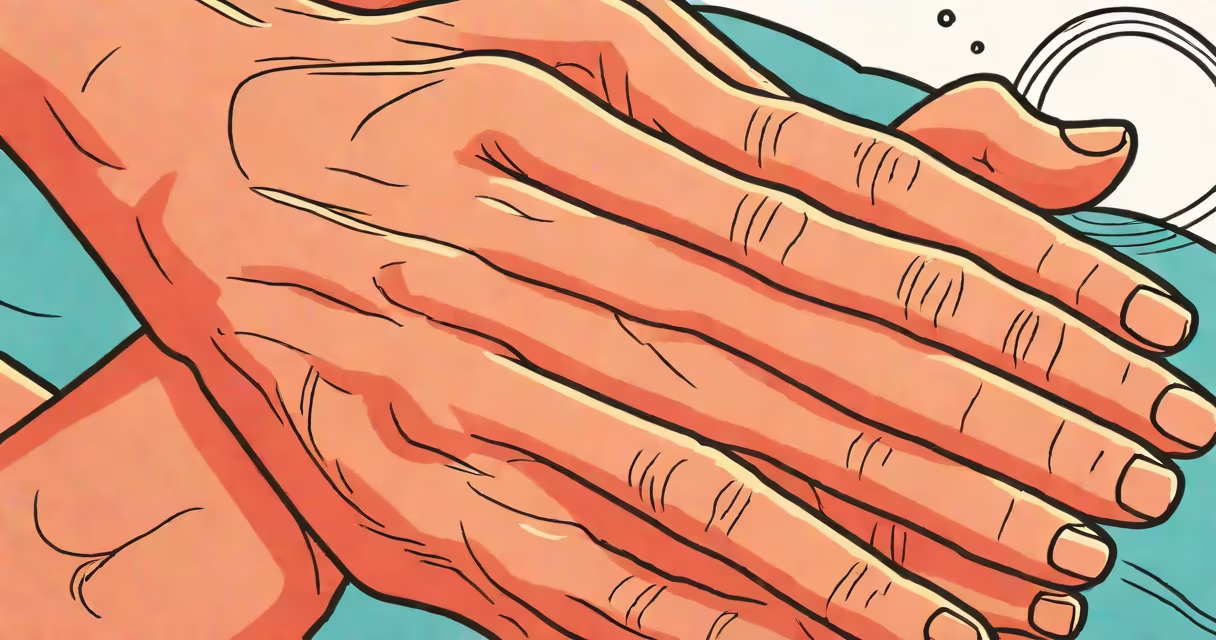
Itching, or pruritus, is a sensation triggered by nerve signals in the skin that prompt scratching. It can result from dryness, allergic reactions, infections, or systemic diseases. Persistent itching may indicate an underlying health issue requiring evaluation.
Itch begins when sensory nerves in the skin detect irritants-like histamine released during an immune response, chemicals in poison ivy, or dry air. These signals travel through spinal cord pathways to the brain's somatosensory cortex, where they're interpreted as itch. The brain then sends motor commands to initiate scratching, which temporarily relieves discomfort but can worsen inflammation and damage tissue.
Chronic itching affects about 10% of adults globally, according to the American Academy of Dermatology Association. It often stems from skin conditions such as atopic dermatitis (eczema), psoriasis, or contact dermatitis. However, internal factors-including liver disease, kidney failure, thyroid dysfunction, and neurological disorders-can also cause generalized itching without visible rash.
How Itching Works in the Body
Itch is not simply a mild annoyance-it's a protective reflex. When skin cells detect potential threats, they release signaling molecules like serotonin, bradykinin, and substance P. These activate free nerve endings in the epidermis and dermis, sending electrical impulses along peripheral nerves to the spinal cord and the brain.
Unlike pain, which typically activates A-delta fibers, itch primarily involves C-fibers-unmyelinated nerve fibers that transmit slow, dull sensations. This explains why itch feels diffuse and hard to localize. The brain processes itch in overlapping regions with pain and emotion, which is why chronic itch can lead to anxiety, sleep disruption, and reduced quality of life.
A 2021 study published in Nature Neuroscience identified a specific neuron cluster in the mouse spinal cord that selectively mediates itch without pain. Humans share similar neural circuits, suggesting targeted treatments could reduce itch without affecting pain perception-a key goal in developing new therapies.
Common Causes of Persistent Itching
Most cases of itching fall into four categories: skin-related, systemic, psychological, and environmental. Identifying the source guides effective treatment.
| Type | Examples | Prevalence | Key Clue |
|---|---|---|---|
| Skin Conditions | Eczema, psoriasis, fungal infections | 60% of chronic itch cases | Rash, scaling, or localized redness |
| Systemic Illnesses | Liver disease, kidney failure, thyroid issues | 10-15% | No rash; often worse at night or after meals |
| Allergies & Irritants | Poison ivy, insect bites, detergents | 20% | Onset after exposure; often seasonal |
| Nerve Disorders | Postherpetic neuralgia, multiple sclerosis | 5% | Itch in areas with normal skin appearance |
For example, a 45-year-old woman reported intense nighttime itching on her arms and legs with no visible rash. Blood tests revealed elevated bilirubin and alkaline phosphatase levels-signs of cholestasis. After diagnosis, her itching resolved with medication targeting bile acid buildup. This illustrates how internal disease can manifest as itch without skin changes.
Another common misstep: assuming all itching is due to dry skin. While xerosis (dry skin) accounts for nearly half of all cases, especially in older adults, it's not always the culprit. A 2020 review in JAMA Dermatology found that patients with dry skin who didn't improve with emollients were more likely to have undiagnosed autoimmune or metabolic conditions.
When Itching Isn't Skin-Related
Itching can originate from organs or nervous system dysfunction. For instance, uremic pruritus occurs in people with advanced kidney disease. Urea and other waste products accumulate in the blood, stimulating nerve endings in the skin. This type of itch often starts on the palms and soles and worsens during dialysis sessions.
Neurological causes include phantom limb itch and central neuropathic itch. After a stroke or spinal injury, abnormal nerve signaling can generate itch sensations in limbs that no longer respond to touch. These cases don't involve skin changes and are resistant to standard antihistamines.
Psychogenic itch-caused by mental health conditions-is rare but real. A 2019 case report in Journal of the American Academy of Dermatology described a patient whose severe, widespread itching persisted despite negative allergy testing and normal organ function. Cognitive behavioral therapy reduced symptoms, highlighting the mind-body link in chronic itch.
What You Should Do If You're Itchy
If itching lasts more than two weeks, spreads rapidly, or interferes with daily life, consult a healthcare provider. Self-diagnosis risks missing serious conditions like lymphoma, which can present with generalized itching years before other symptoms appear.
Start by avoiding known triggers: harsh soaps, hot showers, wool clothing, and scented laundry products. Use fragrance-free moisturizers within three minutes of bathing to lock in hydration. Apply cool compresses to reduce acute flare-ups.
For mild cases, over-the-counter hydrocortisone cream (1%) applied twice daily for up to seven days may relieve inflammation. Antihistamines like diphenhydramine (Benadryl) can reduce nighttime itching caused by allergies-but they're ineffective for non-allergic itch and may cause drowsiness.
I once treated a patient with persistent hand itching that worsened after washing dishes. Patch testing revealed sensitivity to sodium lauryl sulfate in dish soap. Switching to a fragrance-free, low-irritant product eliminated symptoms within five days. This case underscores how everyday products can trigger chronic itch without obvious signs.
When home remedies fail, see a dermatologist or primary care doctor. Blood work, skin biopsies, or referral to a neurologist may be needed. Early diagnosis improves outcomes-especially in systemic diseases where treating the root cause resolves the itch.
Understanding why you're so itchy begins with tracking patterns: time of day, location on body, triggers, and response to treatment. Documenting these details helps clinicians make accurate diagnoses. Remember, itch is not just a symptom-it's a signal.