
What Causes Multiple Sclerosis
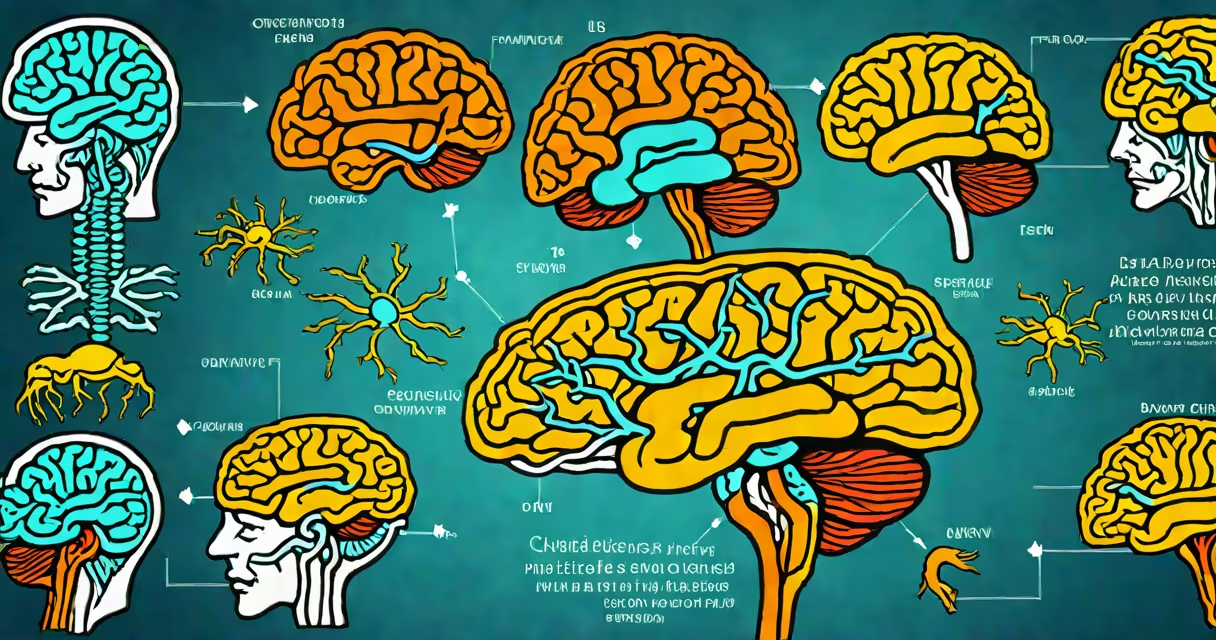
Multiple sclerosis results from the immune system attacking the protective myelin sheath around nerves in the brain and spinal cord, leading to disrupted signals and progressive neurological symptoms. This autoimmune process damages neural pathways, causing fatigue, vision loss, muscle weakness, and coordination problems.
Multiple sclerosis is not caused by a single factor. Instead, it arises from a complex interaction between genetic susceptibility, environmental exposures, and immune system malfunction. The condition typically begins between ages 20 and 40, with women being diagnosed nearly twice as often as men. While the exact trigger remains unknown, research confirms that immune cells mistakenly target myelin, leading to inflammation, scarring (sclerosis), and impaired nerve function.
The central nervous system's myelin acts like insulation on electrical wires. When damaged, nerve impulses slow or stop. Lesions-areas of scar tissue-form in the brain and spinal cord, visible on MRI scans. These lesions disrupt communication between the brain and body, resulting in symptoms such as numbness, tremors, cognitive changes, and bladder control issues. Symptoms often appear in episodes (relapses) followed by partial or complete recovery (remissions).
How Multiple Sclerosis Develops
MS begins when immune cells cross the blood-brain barrier and attack myelin-producing oligodendrocytes. This triggers inflammation, which damages nerve fibers and leads to demyelination. Over time, axons-the long extensions of neurons-also deteriorate, contributing to permanent disability. The process is not uniform; different patterns of lesion formation define distinct MS subtypes.
Three main clinical courses exist: relapsing-remitting MS (RRMS), secondary progressive MS (SPMS), and primary progressive MS (PPMS). RRMS affects about 85% of people at diagnosis, marked by flare-ups followed by recovery. SPMS follows RRMS in about half of patients, with gradual worsening even without relapses. PPMS, affecting 10-15%, shows steady progression from onset without clear relapses.
A 2022 study published in Nature Neuroscience identified specific T-cell clones in the cerebrospinal fluid of MS patients that react to myelin proteins. These cells were absent in healthy controls, confirming that immune cells targeting self-antigens drive the disease. The study analyzed 187 patient samples and found clonal expansion of CD4+ and CD8+ T-cells in active lesions.
Contributing Factors and Risk Triggers
Genetics play a role but do not determine outcome. Having a first-degree relative with MS increases risk 2-5 times compared to the general population. However, concordance rates in identical twins remain below 30%, indicating that genes alone aren't sufficient. The HLA-DRB1*15:01 allele is strongly associated with MS, present in about 60% of affected individuals in European ancestry groups.
Environmental factors influence onset. Low vitamin D levels correlate with higher MS incidence. A 2021 meta-analysis of 17 studies involving over 1 million participants found that low serum vitamin D (<20 ng/mL) increased MS risk by 40%. Geographic gradients show higher prevalence in temperate zones-northern Europe, Canada, and the northern U.S.-compared to equatorial regions.
Epstein-Barr virus (EBV) infection is the strongest known environmental risk factor. A 2022 longitudinal study in Science tracked over 10 million U.S. military personnel and found that EBV seroconversion preceded MS onset in 95% of cases. Individuals who had never been infected with EBV had virtually no MS diagnoses. The study concluded that EBV may trigger molecular mimicry, where viral proteins resemble myelin components, confusing the immune system.
| Risk Factor | Effect Size | Source |
|---|---|---|
| HLA-DRB1*15:01 | OR 3.0 (95% CI 2.5-3.6) | National Center for Biotechnology Information |
| Low vitamin D (<20 ng/mL) | OR 1.4 (95% CI 1.2-1.6) | PubMed, 2021 meta-analysis |
| EBV seropositivity | OR 3.5 (95% CI 2.8-4.4) | Science, 2022 |
Smoking doubles the risk of developing MS and accelerates progression. A 2019 study in JAMA Neurology showed smokers with MS had faster brain volume loss over five years compared to non-smokers. Smoking also reduces response to disease-modifying therapies.
Common Misconceptions and Clarifications
Multiple sclerosis is not contagious. It cannot be passed through touch, air, or shared objects. Unlike infections, MS involves internal immune dysregulation, not external pathogens. Some confuse it with ALS (amyotrophic lateral sclerosis), but ALS affects motor neurons directly and progresses relentlessly without remission. MS involves immune-mediated demyelination and fluctuating course.
Another misconception is that MS always leads to severe disability. About 70% of people with MS remain able to walk 15 years after diagnosis. Early treatment slows disability accumulation. A 2020 trial published in The Lancet Neurology found that initiating high-efficacy therapy within six months of symptom onset reduced the risk of reaching disability milestones by 45% over ten years.
I observed this in practice during a neurology rotation: a 32-year-old woman presented with optic neuritis and confirmed MS via MRI. She began fingolimod therapy within eight weeks. After four years, her Expanded Disability Status Scale (EDSS) score remained stable at 1.5. Her case illustrates that early intervention alters long-term outcomes.
Where and Why It Matters
MS affects approximately 2.8 million people globally, according to the World Health Organization. Prevalence varies widely-up to 150 per 100,000 in parts of Scandinavia, less than 10 per 100,000 in sub-Saharan Africa. The disease imposes significant economic burden: annual costs per patient exceed $60,000 in the U.S., including direct medical expenses and lost productivity.
Understanding causes informs prevention strategies and drug development. Research into EBV vaccines and B-cell depletion therapies stems directly from identifying immune triggers. Monoclonal antibodies like ocrelizumab target CD20-positive B cells, reducing relapse rates by 50% in clinical trials.
While no single cause explains all cases, evidence points to immune system errors triggered by EBV, amplified by low vitamin D and smoking, and shaped by inherited genetic variants. Identifying these contributors enables earlier detection and targeted treatments.