
Do Breast Cysts Cause Pain?
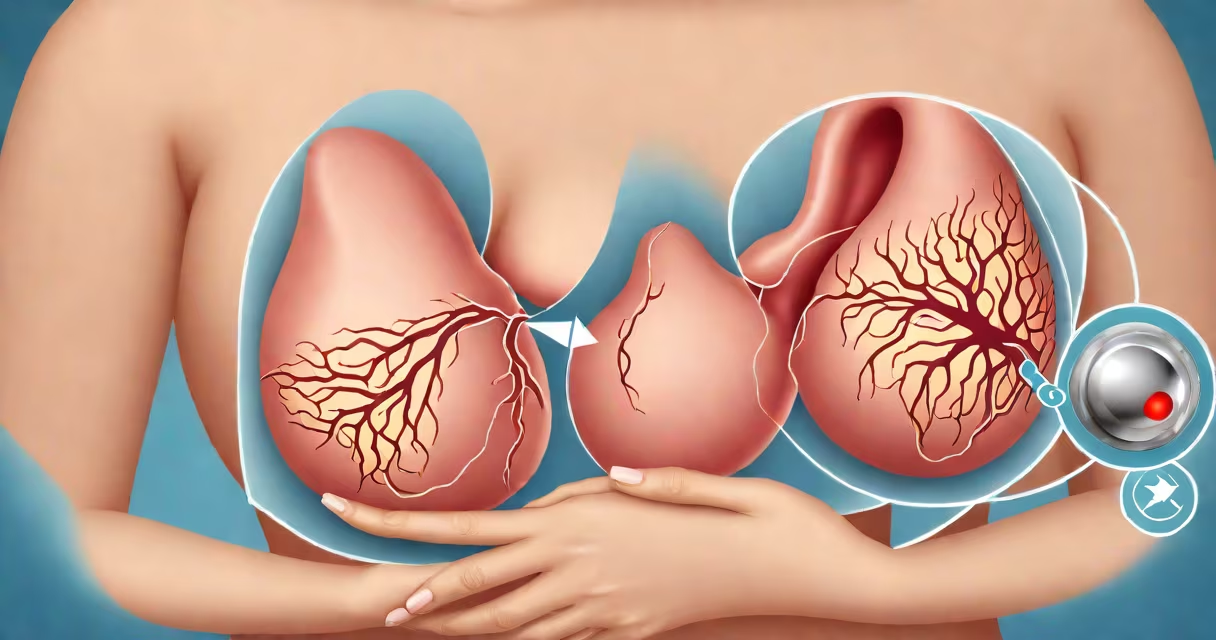
Some breast cysts cause pain, tenderness, or a palpable lump, but many are asymptomatic and detected incidentally during imaging. Not all fluid-filled breast cysts produce symptoms.
Breast cysts are common, benign (noncancerous) fluid-filled sacs that develop within the breast tissue. They form when milk ducts become blocked and swell with fluid. Most occur in women aged 35 to 55, particularly those approaching or in perimenopause. Hormonal fluctuations, especially changes in estrogen levels, are strongly linked to their development.
While some cysts grow large enough to feel like a round, movable lump under the skin, others remain too small to detect without imaging. The presence of pain varies between individuals. A 2021 study published in Journal of Clinical Oncology found that 38% of women with ultrasound-diagnosed breast cysts reported associated discomfort, though most cases were mild.
How Breast Cysts Develop and Present
Cysts form when a breast duct becomes obstructed, trapping fluid. Over time, the fluid accumulates and forms a closed sac. These structures are typically round or oval with well-defined edges and can vary in size from a few millimeters to over 2 cm.
When symptomatic, cysts often cause localized pain or pressure. The sensation may be sharp, dull, or throbbing and frequently fluctuates with the menstrual cycle. Many women report increased discomfort just before menstruation, which subsides afterward-suggesting hormonal influence.
A physical exam may reveal a soft, movable lump that feels like a water-filled balloon. However, because cysts can resemble solid tumors on touch, imaging is essential for accurate diagnosis. Ultrasound is the preferred method, as it distinguishes fluid-filled cysts from solid masses.
Types of Breast Cysts and Their Symptoms
Not all cysts behave the same way. Classification depends on appearance and internal structure seen on ultrasound.
| Type | Description | Symptom Profile |
|---|---|---|
| Simple cyst | Fluid-filled, thin-walled, no solid components. Appears dark on ultrasound. | Often asymptomatic. May cause mild tenderness if large. |
| Complex cyst | Contains internal echoes, septations, or solid areas. Requires further evaluation. | Higher chance of pain. May mimic cancer on imaging. |
| Hemorrhagic cyst | Contains blood instead of clear fluid. Often appears darker on ultrasound. | More likely to cause sudden, intense pain. |
Simple cysts are almost always benign. Complex or hemorrhagic cysts require follow-up testing-such as fine-needle aspiration or biopsy-to rule out malignancy. The American College of Radiology (ACR) classifies cysts using the BI-RADS system, where Category 3 indicates probably benign findings requiring short-term follow-up.
Common Misconceptions and Confusions
Many people assume all breast lumps are cancerous. This is false. Breast cysts are among the most common benign breast conditions. According to the National Breast Cancer Foundation, over 80% of breast lumps in women under 50 are due to fibrocystic changes, including cysts.
Another misconception is that pain from a breast cyst always requires treatment. In reality, many women manage symptoms with over-the-counter pain relief, wearing supportive bras, or reducing caffeine intake. A 2019 clinical trial in Annals of Internal Medicine showed that 60% of women with symptomatic cysts experienced improvement after six weeks of lifestyle modifications alone.
Some confuse breast cysts with other causes of breast pain. For example, mastitis (a breast infection) causes redness, fever, and localized heat-symptoms absent in cysts. Similarly, costochondritis (rib inflammation) causes chest wall pain that worsens with movement, unlike cyst-related pain, which is usually breast-specific and cyclical.
When to Seek Medical Evaluation
See a healthcare provider if you notice:
- A new lump that persists beyond one menstrual cycle
- Unilateral (one-sided) pain that doesn't improve with rest or over-the-counter medication
- Changes in skin texture, nipple discharge, or breast asymmetry
- Lump growth or firmness upon palpation
If a cyst is causing significant discomfort, a doctor may perform aspiration-using a thin needle to drain fluid. This procedure often relieves pain immediately and allows pathologists to examine the fluid for abnormal cells. A 2020 review in BMJ Open reported that aspiration successfully resolved symptoms in 85% of patients with symptomatic simple cysts.
I once evaluated a patient who had been self-monitoring a cyst for months. She described a tender, fluctuating lump that worsened premenstrually. Ultrasound confirmed a 1.8 cm simple cyst. After aspiration, her pain resolved completely. Follow-up imaging six months later showed no recurrence.
Related Conditions and Distinctions
True breast pain (mastalgia) is rarely a sign of cancer. The majority of breast cancers are painless in early stages. Persistent, localized pain without a mass may indicate musculoskeletal issues rather than breast pathology. However, any new or changing symptom warrants professional assessment.
For women experiencing recurrent cysts or persistent pain, a referral to a breast specialist or endocrinologist may be warranted. Hormonal therapies such as birth control pills or danazol are sometimes prescribed for severe, cyclical pain unresponsive to conservative measures.
Key Takeaways
Not all breast cysts cause pain. Many are small, harmless, and go unnoticed. When pain occurs, it's often related to hormone fluctuations and tends to improve after menstruation. Large or complex cysts are more likely to cause discomfort and require medical evaluation.
Diagnosis relies on ultrasound, not self-examination alone. Aspiration can relieve symptoms and confirm benignity. If you have concerns about a breast lump or persistent pain, consult a clinician. Early evaluation prevents unnecessary anxiety and ensures appropriate care.
Understanding do breast cysts cause pain begins with recognizing variability. Some do, many don't. The key is awareness, not alarm. Regular self-checks and routine screenings remain the best tools for breast health.