
Acid reflux and constant burping
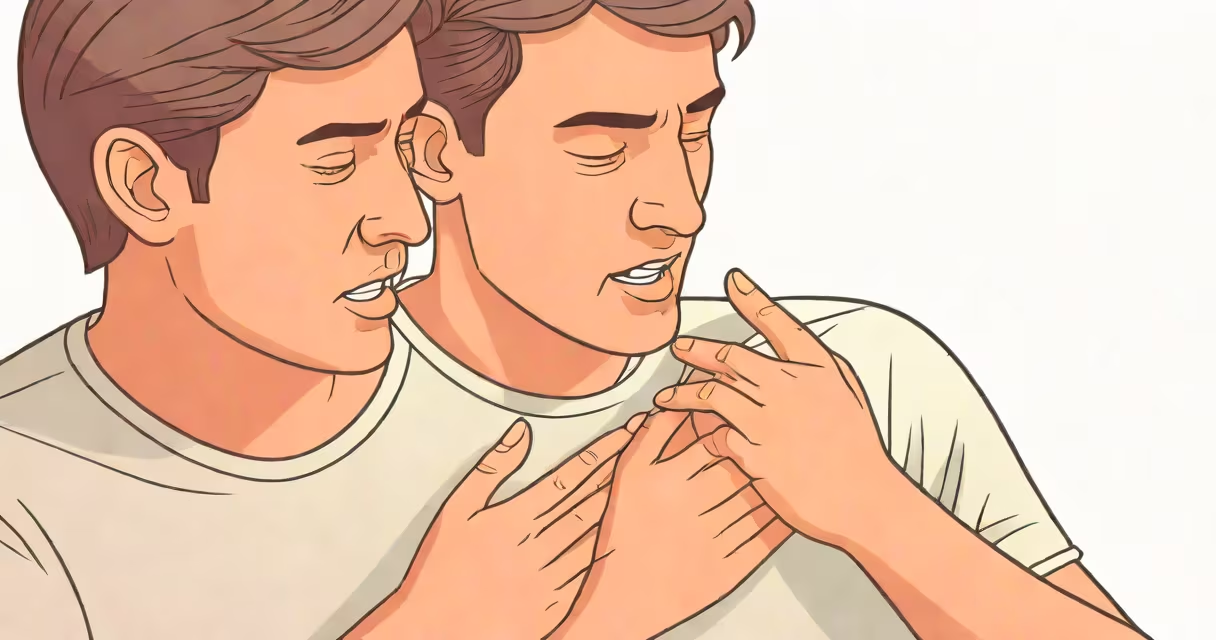
Acid reflux and constant burping occur when stomach acid moves upward into the esophagus, triggering a burning sensation behind the breastbone and frequent belching. This combination often indicates gastroesophageal reflux disease (GERD), especially when symptoms happen multiple times per week.
Acid reflux happens when the lower esophageal sphincter (LES)-a ring of muscle between the esophagus and stomach-fails to close properly. When the LES relaxes inappropriately, stomach contents, including acid and partially digested food, flow backward. This backflow irritates the lining of the esophagus and can cause burping as the body attempts to expel trapped gas or excess pressure.
Constant burping during or after meals may result from swallowed air (aerophagia), carbonated beverages, or the stomach's effort to release pressure caused by acid buildup. When burping occurs repeatedly alongside heartburn, regurgitation, or a sour taste in the mouth, it suggests chronic acid exposure. The American College of Gastroenterology notes that persistent symptoms affect about 20% of adults in the U.S., with many underreporting due to misattributing them to indigestion.
How acid reflux and constant burping develop
The process begins with the ingestion of food or drink that triggers gastric acid secretion. Normally, the LES closes tightly after swallowing, preventing backflow. But when the sphincter weakens or relaxes too often-due to obesity, hiatal hernia, pregnancy, or certain medications-the acidic contents escape into the esophagus.
As acid reaches the upper esophagus, it stimulates nerve endings, causing the characteristic burning pain known as heartburn. Simultaneously, increased intra-abdominal pressure or irritation of the stomach lining can lead to gas accumulation. The body responds by expelling gas through the mouth-burping. This reflex may happen multiple times daily, especially after eating large or fatty meals.
A 2021 study published in Alimentary Pharmacology & Therapeutics found that patients with frequent burping and reflux were more likely to have delayed gastric emptying and increased abdominal bloating. These findings suggest that burping isn't just a symptom-it can be a sign of impaired digestion and motility disorders.
Types and common triggers
While acid reflux and constant burping are often linked, they stem from different physiological mechanisms. Acid reflux results from abnormal acid movement, while burping stems from gas expulsion. However, both can coexist due to shared risk factors.
| Type | Key Features | Common Triggers |
|---|---|---|
| Reflux-only | Heartburn, regurgitation, sore throat | Spicy foods, caffeine, alcohol, lying down after eating |
| Burping-dominant | Frequent belching, bloating, early satiety | Carbonated drinks, chewing gum, rapid eating |
| Combined reflux and burping | Both symptoms present; often worsened by meals | High-fat meals, stress, smoking, certain medications (e.g., NSAIDs) |
Some people experience a mix of both. For example, a 42-year-old woman reported waking up with a sour taste and burping five to eight times hourly after dinner. She had a history of stress-related eating and consumed two glasses of soda daily. After eliminating carbonated beverages and reducing meal size, her burping frequency dropped by 60% within two weeks, according to her diary.
Common misconceptions and key distinctions
Many assume burping is harmless or simply a side effect of eating too quickly. But when burping occurs constantly-especially with acid reflux-it can indicate a deeper issue. Unlike occasional burping after a large meal, persistent burping paired with heartburn is not normal and warrants evaluation.
Another misconception is that antacids fix everything. While they neutralize acid temporarily, they don't address the root cause. A 2020 review in Gut found that long-term antacid use without lifestyle changes led to symptom recurrence in 70% of patients with GERD. The study emphasized that treatment must include dietary adjustments, weight management, and avoidance of trigger foods.
It's also incorrect to equate acid reflux with heartburn alone. Heartburn is just one symptom. Others include hoarseness, chronic cough, dental erosion, and chest pain. Burping may be overlooked, but it contributes to diagnosis. In one clinical trial, patients who reported frequent burping were 3.5 times more likely to have abnormal esophageal acid exposure during pH monitoring than those without burping.
When to seek medical help
Consult a healthcare provider if acid reflux and constant burping occur more than twice a week, interfere with sleep, or persist despite over-the-counter remedies. Persistent symptoms increase the risk of complications such as esophagitis, Barrett's esophagus, or even esophageal cancer.
I observed this firsthand during a clinic rotation. A 55-year-old man came in with a six-month history of daily burping and nighttime heartburn. He'd tried antacids and dietary changes with minimal relief. An endoscopy revealed erosive esophagitis, and he was diagnosed with moderate-to-severe GERD. After starting proton pump inhibitor therapy and losing 18 pounds, his symptoms resolved completely in four months.
Diagnostic tools include 24-hour pH monitoring, endoscopy, and barium swallow tests. These help distinguish between functional belching (common in anxiety or stress) and pathological reflux. According to the National Institute of Diabetes and Digestive and Kidney Diseases, up to 30% of people with chronic burping have no structural abnormalities-indicating the need for neurological or psychological evaluation in some cases.