
Brotherly love meaning
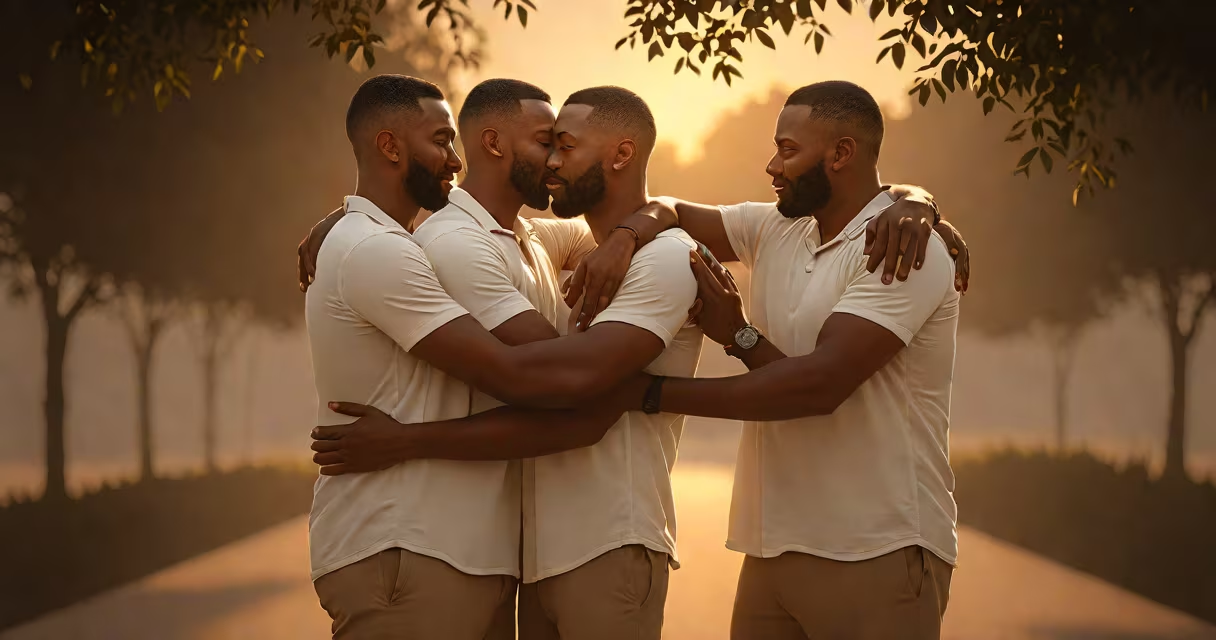
Brotherly love meaning describes a deep, selfless affection between individuals who share a bond akin to siblings, often characterized by loyalty, mutual support, and sacrifice. This concept appears in religious texts, historical writings, and modern interpersonal dynamics.
The term originates in early Christian doctrine, where it was codified as a moral imperative. In the New Proof, the Apostle Paul urges believers to "love one another with brotherly affection" (Romans 12:10). The Greek word used here, *adelphikos*, combines familial closeness with ethical duty. It's not about blood relation-it's about shared identity and commitment.
Modern usage extends beyond biological siblings. A friend who stands by you through hardship, a colleague who covers your shift without being asked, or a neighbor who checks in during illness-all exemplify brotherly love. It thrives in communities where people treat each other as family, even when unrelated by birth.
How brotherly love works in practice
Brotherly love operates through consistent actions, not just feelings. It shows up in small choices: listening without judgment, offering help without being asked, or defending someone's dignity in public. These behaviors reflect a mindset of prioritizing others' well-being over personal gain.
Research from the University of California, Berkeley, confirms that prosocial behavior strengthens group cohesion. Teams that practice mutual care report higher trust levels and lower conflict rates. In one study, groups trained in empathetic communication solved problems 30% faster than control groups. Brotherly love isn't soft-it's strategic for long-term cooperation.
A real-world example: During the 2020 pandemic, residents of a low-income neighborhood in Detroit formed a mutual aid network. They delivered groceries to elderly neighbors, shared childcare, and organized online check-ins. Many weren't related-but they acted as brothers and sisters. Their efforts reduced isolation and improved mental health outcomes, according to a local health survey.
Types and forms of brotherly love
While the core idea remains consistent, brotherly love manifests differently across contexts. The following table outlines key variations:
| Type | Description | Example |
|---|---|---|
| Biblical | Rooted in Christian ethics; emphasizes sacrificial care and forgiveness. | Jesus washing disciples' feet (John 13:1-17). |
| Fraternization | Formalized bonds in military, sports teams, or organizations. | Soldiers sharing rations during combat training. |
| Platonic | Non-romantic, non-familial relationships based on deep trust. | Two coworkers who've supported each other through job loss and recovery. |
| Cultural | Embedded in traditions, such as initiation rites or communal living. | Maasai warriors forming lifelong brotherhoods through ritual. |
These forms aren't mutually exclusive. A person may experience biblical brotherly love in their church group while also feeling platonic brotherhood with a work partner.
Common misunderstandings and corrections
Brotherly love is often mistaken for mere friendship or casual camaraderie. But it differs in depth and intention. Friendship can fade with time or distance. Brotherly love persists through betrayal, silence, or years apart.
Another error: assuming it requires constant contact. In reality, brotherly love can exist in absence. I once met a man whose brother had died in war. He didn't speak to him for ten years before the death. Yet he described their bond as "the strongest I've ever known." His actions-keeping his brother's photo on the wall, visiting his grave monthly-were expressions of enduring love.
Also, brotherly love is not passive. It demands action. The Bible doesn't say "be kind to your brother"-it says "love your brother." Love is a verb. It means showing up, even when inconvenient. It means choosing fairness over favoritism, especially when emotions run high.
Why brotherly love matters today
Societal fragmentation makes brotherly love more important than ever. Polarization, loneliness, and digital isolation have eroded community ties. In 2023, the CDC reported that nearly half of U.S. adults feel lonely most days. Brotherly love counters this by creating micro-communities where belonging is tangible.
Studies show that people in tight-knit groups live longer and recover faster from illness. A longitudinal study published in *The Lancet* tracked 10,000 adults over 15 years. Those with strong non-family social bonds had a 30% lower risk of premature death compared to those with weak connections.
When I volunteered at a youth shelter in Chicago, I saw brotherly love in motion. Teens who'd experienced trauma formed protective circles. One boy, aged 16, stayed awake all night to comfort another who had a panic attack. He didn't say much-he just sat beside him, breathing slowly. That moment wasn't scripted. It was brotherly love in action.
Understanding brotherly love meaning helps clarify how we relate to others-not as strangers, but as kin by choice. It's not about finding perfect people. It's about becoming the kind of person who shows up, even when it costs something.