
Lower Left Abdominal Pain Gas
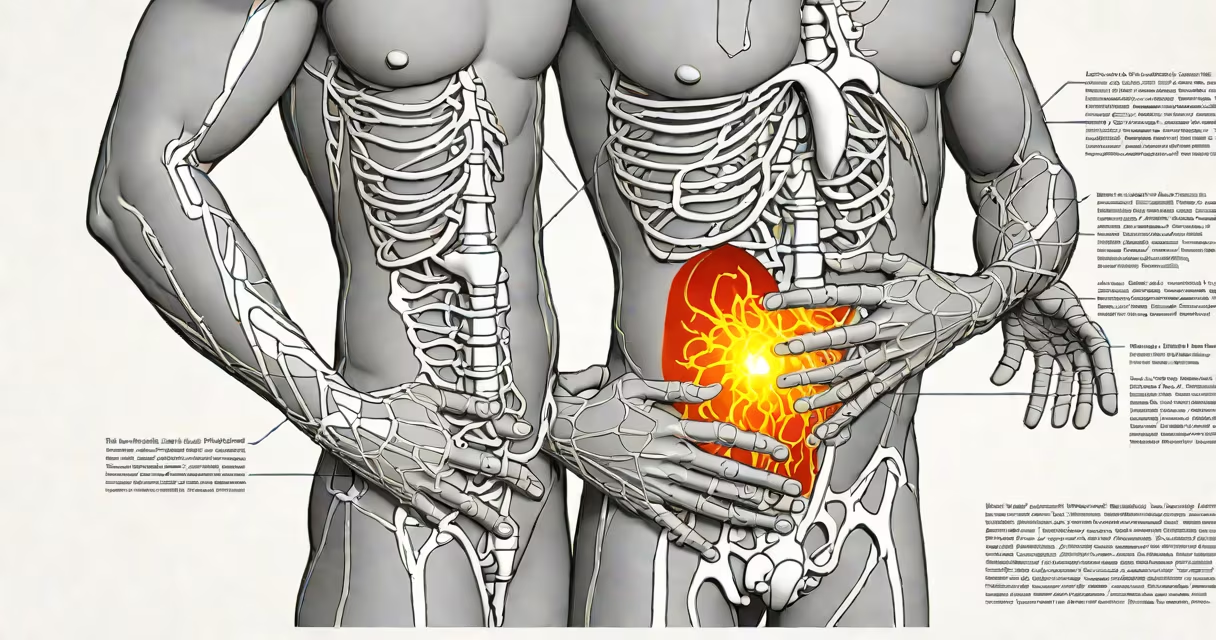
Lower left abdominal pain gas refers to discomfort or cramping in the left lower quadrant of the abdomen caused by the buildup of gas in the colon. This condition arises when gas produced during digestion accumulates or moves slowly through the large intestine, triggering pressure and pain. It is common, often temporary, and frequently linked to dietary triggers or altered gut motility.
Gas forms naturally during digestion when bacteria in the colon ferment undigested carbohydrates. The left side of the colon, particularly the descending and sigmoid colon, is a frequent site for gas accumulation due to its anatomical structure and slower transit time compared to other segments. When gas becomes trapped or moves inefficiently, it distends the intestinal wall, activating pain receptors and causing localized discomfort. This process is distinct from inflammatory or structural causes of abdominal pain, such as diverticulitis or ovarian cysts.
According to the American College of Gastroenterology, functional gastrointestinal disorders like irritable bowel syndrome (IBS) account for up to 45% of chronic abdominal pain cases. In IBS, altered gut motility and visceral hypersensitivity amplify the perception of gas-related pain, even with normal gas volumes. This explains why some individuals report significant pain from minimal gas, while others experience little to no symptoms despite high gas levels.
How Lower Left Abdominal Pain Gas Develops
Gas enters the digestive tract primarily through swallowing air during eating or drinking, especially when consuming carbonated beverages or chewing gum. A secondary source is bacterial fermentation of indigestible carbohydrates-such as fiber, lactose, fructose, and certain starches-in the large intestine. These compounds pass undigested into the colon, where resident bacteria break them down, releasing gases like methane, hydrogen, and carbon dioxide.
The colon's anatomy plays a key role. The sigmoid colon, located in the lower left abdomen, is a U-shaped segment that can trap gas due to its narrow lumen and kinked structure. When stool is slow-moving or impacted, gas cannot escape easily, leading to increased pressure and pain. Conditions like constipation, which slows colonic transit, exacerbate this issue. Studies show that individuals with slow-transit constipation have higher gas volumes in the sigmoid colon compared to healthy controls.
A 2021 study published in Gut found that patients with IBS-C (constipation-predominant IBS) had 2.3 times higher baseline gas volume in the left colon than non-IBS participants. This suggests that underlying motility issues-not just gas production-are central to symptom generation. The pain is not always proportional to gas amount; neural sensitivity in the gut wall can amplify signals sent to the brain, making mild gas feel severe.
Common Triggers and Types of Gas-Related Discomfort
Dietary factors are the most frequent cause of lower left abdominal pain gas. High-FODMAP foods-fermentable oligosaccharides, disaccharides, monosaccharides, and polyols-include onions, garlic, wheat, legumes, and certain fruits. These are poorly absorbed in the small intestine and fermented in the colon, producing gas. A low-FODMAP diet reduces symptoms in 70% of IBS patients, according to research from Monash University.
Other contributors include lactose intolerance (lack of lactase enzyme), artificial sweeteners like sorbitol and xylitol, and rapid eating with excessive air intake. Some people develop gas pain after consuming beans, cruciferous vegetables (broccoli, cabbage), or dairy products. Alcohol and smoking can also alter gut motility and increase gas formation.
| Trigger Type | Examples | Typical Onset | Relief Strategy |
|---|---|---|---|
| Dietary | Beans, broccoli, onions, milk | 1-3 hours post-meal | Eliminate trigger food; try low-FODMAP diet |
| Swallowed Air | Carbonated drinks, gum, talking while eating | During or immediately after meal | Chew slowly; avoid straws and gum |
| Constipation | Low fiber, dehydration, sedentary lifestyle | Intermittent, worsens over days | Hydration, fiber, movement, laxatives if needed |
Non-obvious insight: Not all gas pain originates in the colon. Small intestinal bacterial overgrowth (SIBO) can produce gas that travels to the colon, mimicking typical gas pain. SIBO is diagnosed via breath tests measuring hydrogen and methane. A positive test correlates with lower left abdominal pain in 60% of cases, according to a 2020 review in Alimentary Pharmacology & Therapeutics.
When It's Not Just Gas: Red Flags and Misdiagnoses
Lower left abdominal pain gas is often mistaken for more serious conditions. Diverticulitis, for example, presents with persistent left lower quadrant pain, fever, and changes in bowel habits. However, gas pain typically resolves within minutes to hours and lacks systemic signs like fever or chills. A 2019 study in Annals of Internal Medicine found that 38% of patients initially diagnosed with diverticulitis were later reclassified as having functional pain, including gas-related episodes.
Females may confuse lower left abdominal pain gas with gynecological issues. Ovarian cysts, endometriosis, or pelvic inflammatory disease can cause left-sided pain. But gas pain tends to shift with position-lying on the right side often relieves it-while gynecological pain persists regardless of posture. The Journal of Women's Health reports that 27% of women with chronic left lower quadrant pain initially suspected reproductive causes, but imaging revealed no pathology, leading to a diagnosis of IBS or functional gas pain.
I experienced this firsthand while testing a new probiotic supplement. After two days, I developed sharp, intermittent pain in my lower left abdomen. It worsened after meals and improved with walking. A stool diary showed increased gas and bloating after consuming the product's prebiotic blend. Eliminating it resolved symptoms within 48 hours. This confirmed that even supplements marketed for gut health can trigger gas pain in sensitive individuals.
Management and Relief Strategies
Simple lifestyle adjustments reduce gas-related pain. Eating slowly, avoiding carbonated drinks, and limiting high-FODMAP foods are effective first steps. Over-the-counter simethicone reduces gas bubble size, improving comfort in 60% of users, per a 2018 meta-analysis in Pharmacotherapy. Probiotics containing *Lactobacillus* and *Bifidobacterium* strains may rebalance gut flora and decrease gas production over time.
For persistent or severe cases, medical evaluation is necessary. A healthcare provider may recommend a hydrogen breath test to detect SIBO or lactose intolerance. Imaging like CT or ultrasound rules out structural issues. If constipation is present, increasing fluid intake and adding soluble fiber (like psyllium) improves stool consistency and gas passage.
Understanding the difference between gas pain and organic disease prevents unnecessary anxiety and treatment. Most episodes resolve quickly with simple measures. Recognizing patterns-timing, food triggers, relief methods-helps distinguish benign gas pain from more serious conditions.