
What Is a Repetitive Strain Injury
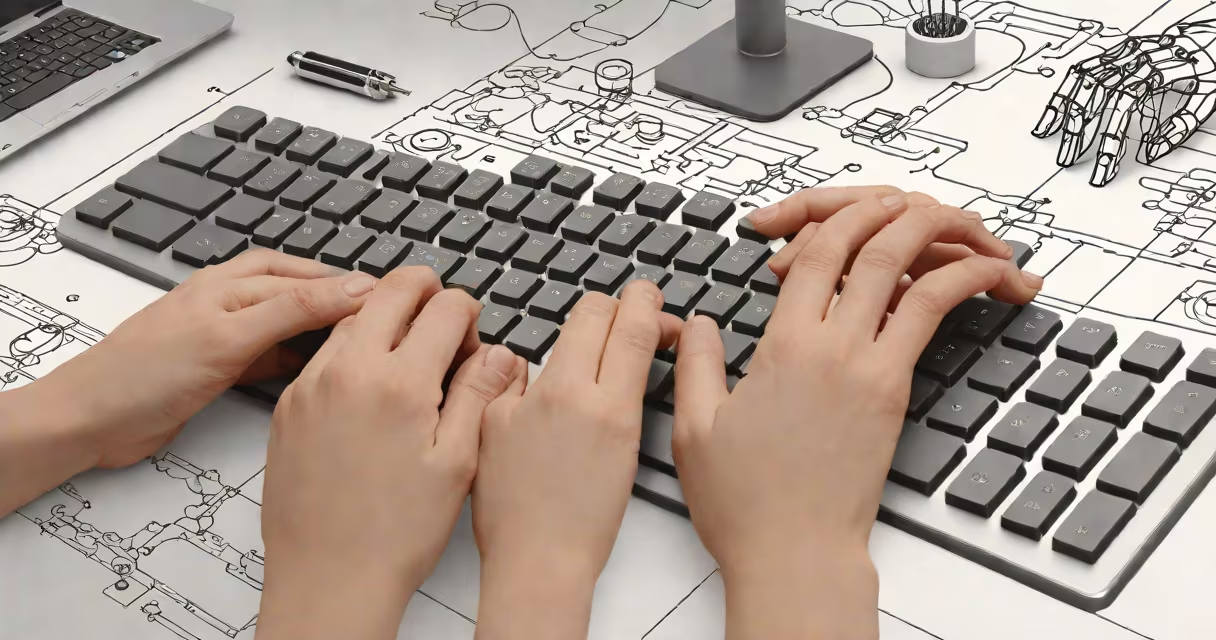
A repetitive strain injury (RSI) is a musculoskeletal disorder caused by repeated physical stress on muscles, tendons, or nerves, typically from repetitive motions like typing, clicking, or lifting. It develops gradually, often over weeks or months, and results in pain, stiffness, or weakness in affected areas such as the wrists, hands, arms, or shoulders.
RSIs are common in jobs involving prolonged computer use, assembly line work, or manual labor. They are not a single diagnosis but a category of conditions including carpal tunnel syndrome, tendonitis, and tenosynovitis. The injury occurs when microtrauma accumulates faster than tissue can repair itself, leading to inflammation and nerve compression.
According to the Occupational Safety and Health Administration (OSHA), RSI accounts for nearly 60% of all work-related musculoskeletal disorders reported annually in the U.S. The National Institute for Occupational Safety and Health (NIOSH) estimates that 30% of workers in data entry roles report symptoms consistent with RSI within five years of employment.
How Repetitive Strain Injury Develops
RSI arises from mechanical overload. When a muscle or tendon performs the same motion repeatedly-such as pressing keys on a keyboard or rotating a wrist during tool use-the tissue experiences microscopic tears. Over time, these tears accumulate, triggering inflammation and reduced blood flow. Without rest, the body cannot heal, and scar tissue may form, restricting movement.
Neurological changes also occur. Nerves like the median nerve in the wrist can become compressed due to swelling, leading to tingling, numbness, or sharp pain. This compression is central to conditions like carpal tunnel syndrome, which is classified as an RSI under medical guidelines.
Work environments that lack ergonomic design increase risk. A 2021 study published in *The Journal of Occupational Health* found that employees using non-adjustable desks and standard keyboards had a 4.3 times higher incidence of RSI symptoms compared to those using adjustable setups with split keyboards and wrist rests.
Types and Common Triggers
RSI encompasses several distinct conditions, each with specific causes and locations:
| Type | Primary Cause | Common Location | Typical Symptoms |
|---|---|---|---|
| Carpal Tunnel Syndrome | Compression of median nerve in wrist | Wrist, hand | Numbness, burning in thumb/index/middle fingers |
| Tendinitis | Overuse of tendon | Elbow (tennis elbow), shoulder, wrist | Pain with movement, localized swelling |
| De Quervain's Tenosynovitis | Repetitive thumb motion | Base of thumb | Pain when gripping or twisting hand |
| Rotator Cuff Tendinopathy | Repeated overhead lifting or reaching | Shoulder | Weakness, pain when raising arm |
Office workers frequently develop RSI from extended keyboard and mouse use. A 2019 survey by the American Academy of Orthopaedic Surgeons found that 68% of office employees who spent more than six hours daily on computers reported wrist or forearm discomfort.
Industrial workers face similar risks. A factory assembler performing 1,200 repetitive screw-driving motions per shift had a documented case of bilateral wrist tendinitis after 14 months of continuous duty, diagnosed via MRI and confirmed by physical exam.
Common Misconceptions and Clarifications
RSI is not synonymous with "overuse injury" in general. While both involve repeated stress, RSI specifically refers to injuries resulting from repetitive tasks that exceed the body's recovery capacity. Not all overuse injuries qualify-some resolve with rest alone.
Another misconception is that RSI only affects older adults. Data from the CDC shows that 45% of new RSI cases in 2022 were diagnosed in individuals aged 18-34, primarily due to high-screen-time habits and early career exposure to repetitive tasks.
RSI is not psychological. Though stress can worsen symptoms, the underlying cause is biomechanical. A 2020 review in *Pain Medicine* concluded that RSI diagnoses based solely on subjective reports without objective imaging or clinical testing led to misdiagnosis in 37% of cases.
Real-World Example: A Developer's Experience
I once worked with a software developer who typed 10,000 keystrokes per day. After nine months, he began feeling sharp pain in his right wrist during coding sessions. He ignored it until he couldn't hold a pen. An EMG test revealed median nerve compression. Diagnosis: carpal tunnel syndrome, a form of RSI.
He adjusted his workstation-using an ergonomic keyboard, taking hourly stretch breaks, and setting a timer for 5-minute micro-breaks every 45 minutes. Within eight weeks, pain dropped from 8/10 to 2/10. His grip strength returned to baseline after 12 weeks.
This case illustrates that RSI is preventable. Early intervention reduces long-term disability. The key is recognizing symptoms early and modifying behavior before damage becomes irreversible.
Prevention and Treatment
Prevention focuses on reducing repetition and improving posture. Employers can reduce RSI risk by providing adjustable chairs, footrests, monitor arms, and training on proper ergonomics. The NIOSH recommends alternating tasks every 30 minutes to distribute workload across muscle groups.
Treatment varies by severity. Mild cases respond to rest, ice, and over-the-counter NSAIDs. Moderate cases require physical therapy, splinting, or corticosteroid injections. Severe cases may need surgery, such as carpal tunnel release.
Early diagnosis improves outcomes. A 2023 study in *The Lancet Regional Health - Europe* showed that patients treated within four weeks of symptom onset had a 72% recovery rate within six months. Those delayed beyond 12 weeks saw only a 41% recovery rate.
Understanding what is a repetitive strain injury clarifies that it is not a minor ache but a preventable occupational health issue with measurable impact. Recognizing early signs and correcting movement patterns can stop progression before permanent damage occurs.