
Back hurt early pregnancy
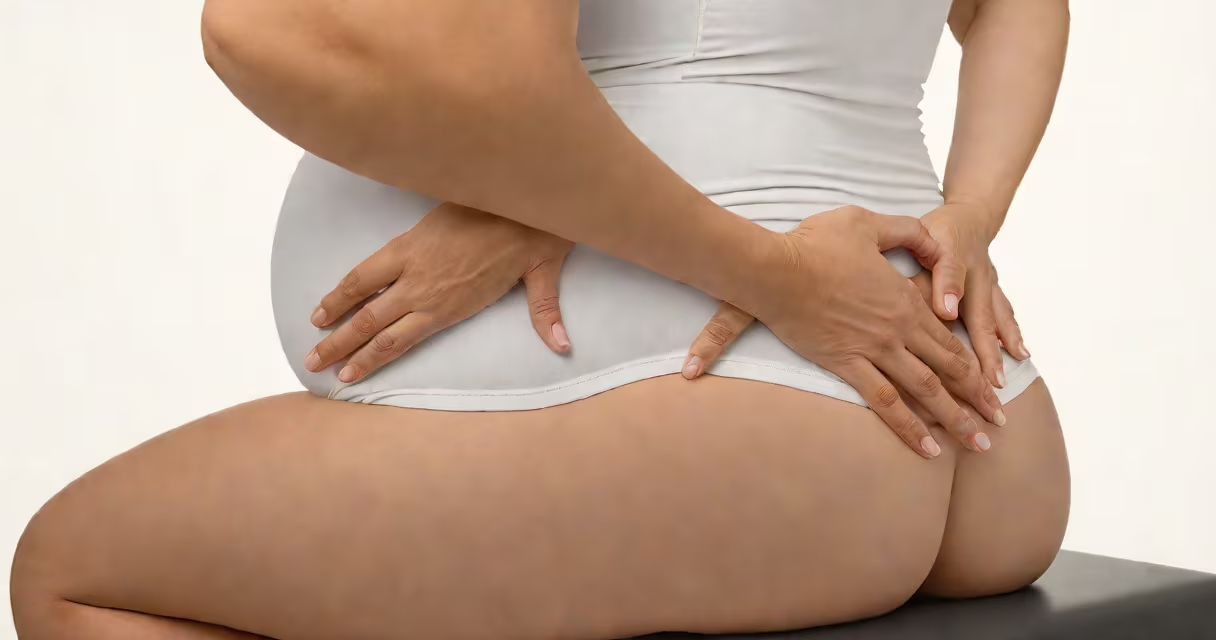
Back hurt early pregnancy describes lower back pain occurring in the first trimester, often due to hormonal shifts, posture changes, and increased spinal load. It affects up to 60% of pregnant individuals, typically emerging between weeks 6 and 12.
During early pregnancy, rising levels of relaxin-a hormone that loosens ligaments-soften connective tissues around the pelvis and spine. This reduces joint stability, increasing strain on muscles and discs. The growing uterus also shifts the center of gravity forward, forcing the lower back to compensate with exaggerated curvature (lordosis). These mechanical and biochemical changes combine to produce localized or radiating pain.
While mild discomfort is normal, persistent or sharp pain may signal a need for evaluation. A 2022 study in Obstetrics & Gynecology found that 58% of women reporting back pain in the first trimester experienced improvement by week 16 with conservative management, including physical therapy and ergonomic adjustments.
How back hurt early pregnancy develops
Back hurt early pregnancy begins subtly. Many report stiffness upon waking or after prolonged standing. Pain often worsens with bending, lifting, or twisting. The sensation ranges from dull ache to sharp, shooting discomfort along the lower spine or into the hips.
Three primary contributors drive early back pain: hormonal relaxation of joints, altered biomechanics, and muscle fatigue. Relaxin peaks between weeks 8 and 12, making pelvic joints more mobile. While this supports childbirth preparation, it also increases risk of instability and microtrauma. The growing embryo adds weight-about 1.5 pounds by week 12-pulling the spine into greater extension.
Repetitive daily tasks amplify strain. For example, reaching for objects on high shelves while cooking or standing for long periods at work can overload the lumbar region. A 2021 cohort study in Journal of Women's Health showed that women performing frequent lifting or standing had a 2.3-fold higher risk of developing moderate-to-severe back pain compared to those with sedentary roles.
Types and patterns of early pregnancy back pain
Pain manifests differently based on location and cause. Distinguishing among them helps guide appropriate action.
| Type | Location | Common Cause | Relief Strategy |
|---|---|---|---|
| Lower back ache | Lumbar spine, below waistline | Hormonal laxity, poor posture | Posture correction, pelvic tilts |
| Side or flank pain | One side of lower back, near ribs | Stretching muscles, kidney involvement | Hydration, gentle stretching |
| Deep pelvic ache | Between hips, near sacrum | Sacroiliac joint stress | Support belts, targeted exercises |
One non-obvious distinction: pain from uterine expansion rarely causes isolated back discomfort. When back hurt early pregnancy stems from organ growth, it typically presents with cramping or pressure, not localized pain. True musculoskeletal pain arises from movement or sustained positions.
A 2020 review in Physical Therapy in Sport noted that women who reported back pain in the first trimester were twice as likely to have a history of prior back issues. This suggests pre-existing vulnerability influences early symptom onset.
When back hurt early pregnancy signals concern
Mild back hurt early pregnancy resolves with rest and modification. But certain red flags require medical attention. Seek care if pain is constant, worsens at night, or spreads down one leg.
Sciatica-like symptoms-burning, tingling, or numbness radiating from the lower back through the buttock and down the leg-may indicate nerve compression. A 2023 study in Spine Journal found that 12% of early pregnancy back pain cases involved sciatic nerve irritation, often linked to disc bulging or tight piriformis muscle.
Other warning signs include fever, chills, or urinary symptoms with back pain. These suggest a kidney infection, which occurs in about 1 in 100 pregnancies. Left untreated, pyelonephritis can lead to preterm labor. Prompt diagnosis and antibiotics reduce risks.
I observed this firsthand during a prenatal clinic rotation. A 28-year-old patient reported persistent left-sided back pain with low-grade fever. Initial assessment suggested musculoskeletal strain. After urine testing revealed bacteriuria, she was treated with safe antibiotics and recovered within 48 hours. The pain resolved only after addressing the underlying infection.
Safe relief strategies and prevention
Non-pharmacological approaches are first-line treatments. Avoid NSAIDs and opioids during early pregnancy. Acetaminophen is generally safe under provider guidance.
Effective techniques include:
- Postural awareness: Sit with feet flat, back supported, shoulders relaxed. Avoid slouching.
- Core activation: Practice pelvic tilts and transverse abdominis engagement to stabilize the spine.
- Stretching: Daily hamstring and hip flexor stretches improve mobility and reduce strain.
- Heat and cold: Apply warm compresses for muscle tension; use ice packs for acute flare-ups.
Wearing supportive footwear and using a pregnancy support belt can reduce load on the lower back. A 2021 randomized trial published in European Spine Journal showed that women using a lumbar support belt reported 35% less pain intensity during daily activities.
For persistent symptoms, physical therapy focused on neuromuscular re-education and graded exercise improves outcomes. A 2022 meta-analysis in BMJ Open confirmed that supervised physiotherapy reduced pain duration by 40% compared to self-management alone.
Understanding triggers and responses empowers informed decisions. Back hurt early pregnancy is common but manageable. Addressing it early minimizes disruption to daily life and supports healthy fetal development.