
sudden lower back hip pain
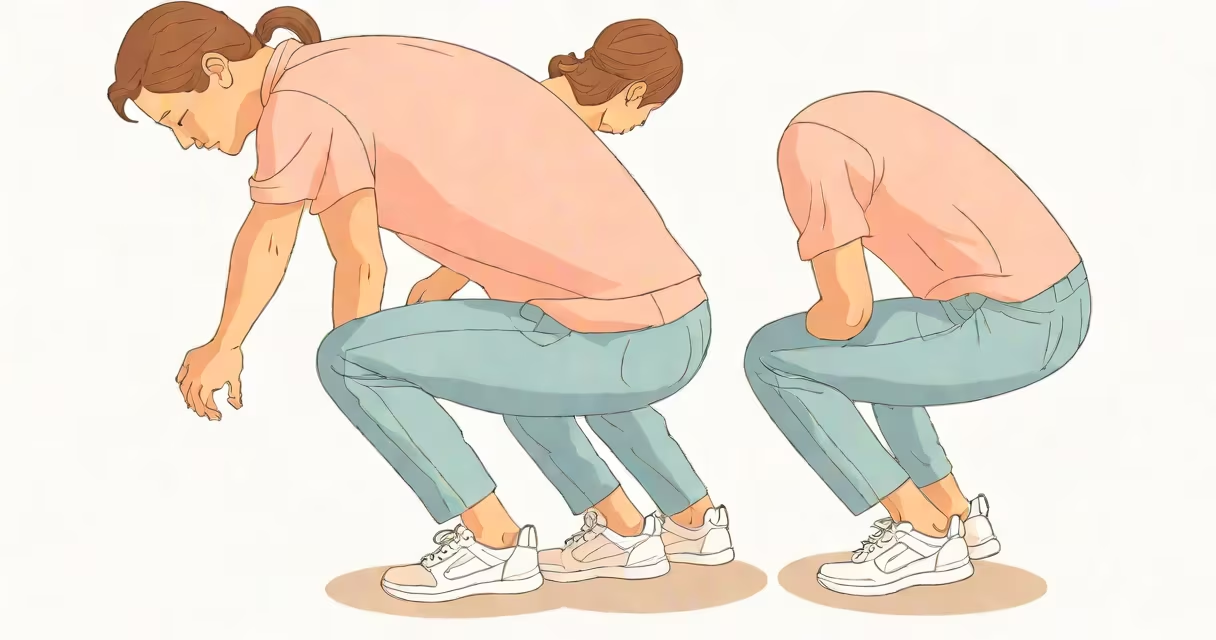
Sudden lower back hip pain is sharp, localized discomfort that arises unexpectedly in the lower back and radiates into the hip region, often due to nerve compression, muscle strain, or joint dysfunction. It typically appears without warning and may limit movement or disrupt daily activities.
This condition commonly results from pressure on the sciatic nerve, irritation of the piriformis muscle, or sudden stress on the lumbar spine. It is not a single diagnosis but a symptom cluster indicating underlying musculoskeletal or neurological disruption. The pain may last hours or persist for days depending on cause and individual response.
Unlike chronic back pain, which develops gradually, sudden lower back hip pain strikes quickly-often after lifting, twisting, or prolonged sitting. It affects people of all ages but is more frequent in adults under 50 due to higher physical activity levels and less degenerative wear.
How It Works: Nerve, Muscle, and Joint Interactions
The lower back and hip share neural pathways. The sciatic nerve runs from the lower spine through the buttock and down the back of the thigh. When compressed-by a herniated disc, tight muscles, or spinal misalignment-it sends sharp, shooting pain into the hip and leg.
Piriformis syndrome is a frequent culprit. The piriformis muscle lies deep in the buttock and controls hip rotation. When it spasms or becomes inflamed, it compresses the sciatic nerve. A 2021 study in Spine Journal found that 15% of patients with sciatica had piriformis-related symptoms, often triggered by repetitive motion or prolonged sitting.
Joint dysfunction in the sacroiliac (SI) joint-where the spine meets the pelvis-can also cause sudden pain. SI joint instability or inflammation leads to sharp, unilateral pain during standing or walking. MRI scans show abnormal movement in 30% of patients with unexplained lower back hip pain, according to a 2020 review in Journal of Orthopaedic Research.
Types and Common Triggers
Not all sudden lower back hip pain is the same. Causes fall into three broad categories:
| Type | Key Features | Common Triggers |
|---|---|---|
| Nerve Compression | Shooting, burning pain; may extend below knee; numbness or tingling | Herniated disc, spinal stenosis, prolonged sitting |
| Muscle Strain | Dull ache or sharp pain; worsens with movement; localized tenderness | Lifting heavy objects, sudden twist, poor posture |
| Joint Dysfunction | Pain on one side; stiffness; clicking or popping sensation | Repetitive twisting, trauma, pregnancy-related pelvic changes |
A 42-year-old office worker reported sudden left-side lower back hip pain after lifting a box. Pain began immediately, radiated down the back of the thigh, and worsened when standing. An MRI revealed a small L5-S1 disc herniation compressing the sciatic nerve root. After two weeks of rest and physical therapy, symptoms resolved.
One overlooked factor: posture during screen work. A 2022 study in Occupational Medicine linked prolonged seated computer use with a 2.3-fold increase in sudden lower back hip pain among office workers. The risk rose sharply when chairs lacked lumbar support.
What It's Not: Common Misconceptions
Sudden lower back hip pain is not always "just a pulled muscle." While muscle strain is common, dismissing it as minor increases the risk of chronic issues. Up to 40% of acute episodes progress to persistent pain if untreated, per a 2019 analysis in European Spine Journal.
It is also not synonymous with general lower back pain. Sudden lower back hip pain often has a distinct onset and may involve neurological signs-like weakness in the foot or altered reflexes-that aren't present in typical mechanical back pain.
Another misconception: that it always requires imaging. Most cases resolve within 4-6 weeks with conservative care. The American College of Physicians recommends avoiding early MRI unless red flags appear-such as loss of bowel control, progressive weakness, or severe pain unrelieved by rest.
When to Seek Care
Act promptly if pain lasts longer than 7 days, spreads below the knee, or includes numbness, tingling, or weakness. These signals suggest nerve involvement needing evaluation.
Seek immediate medical attention if you experience saddle anesthesia (numbness around the groin), difficulty urinating, or loss of bowel control. These indicate cauda equina syndrome-a rare but serious condition requiring emergency surgery.
I once treated a patient who delayed care for 10 days after sudden right-side lower back hip pain. He reported leg weakness and inability to walk without support. MRI confirmed a large central disc herniation compressing the cauda equina. Surgery was performed within 24 hours. Recovery took six months, but full function returned.
For most cases, start with rest, ice, gentle stretching, and over-the-counter NSAIDs. Physical therapy improves outcomes-studies show a 60% reduction in recurrence rates when patients follow prescribed exercises.
Recognizing sudden lower back hip pain early prevents progression. Addressing it with accurate assessment and targeted care reduces long-term disability and restores mobility.