
Constant eye pain and headache
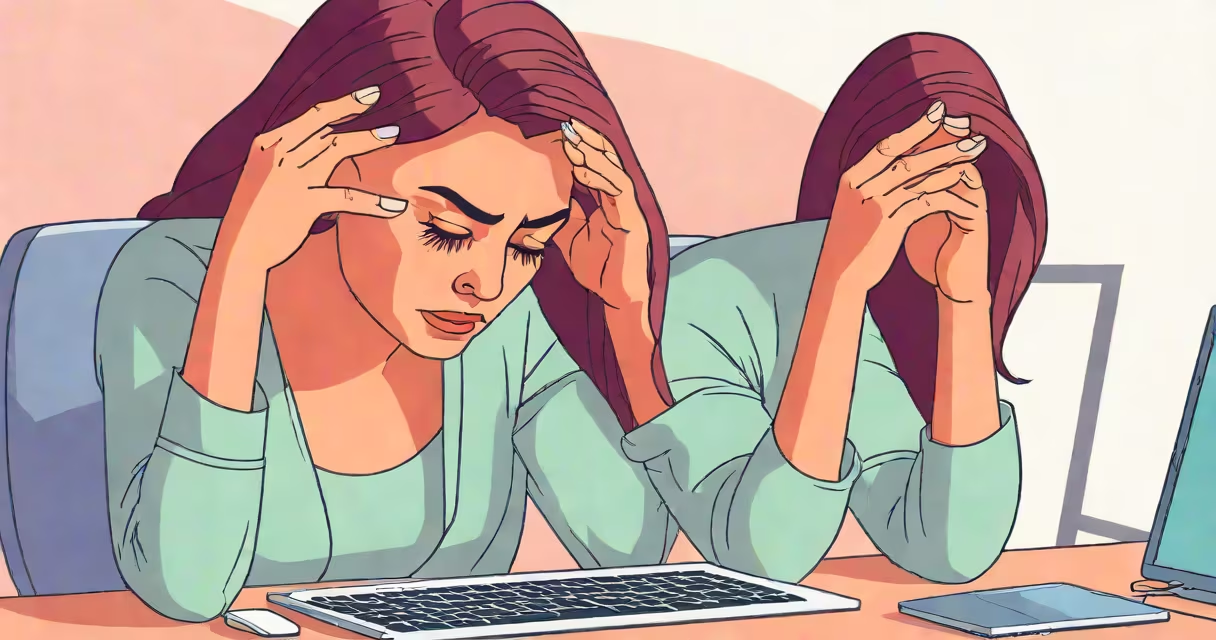
Constant eye pain and headache describes persistent discomfort behind or around the eyes, often accompanied by pressure, throbbing, or aching sensations that last hours or days. This combination frequently results from prolonged visual tasks, neurological conditions, or underlying health issues affecting the eyes or sinuses.
Eye pain and headache occur together when nerves in the head and eyes share pathways. The trigeminal nerve, which supplies sensation to the face and eyes, also transmits signals related to headaches. When this system becomes overactive due to stress, fatigue, or vision problems, both symptoms can emerge simultaneously.
Common causes include uncorrected refractive errors, digital eye strain, migraines, cluster headaches, and sinusitis. In rare cases, they signal serious conditions such as glaucoma or temporal arteritis. Early recognition of patterns helps distinguish benign triggers from urgent concerns.
How constant eye pain and headache develops
The brain interprets signals from the eyes and surrounding tissues through shared neural circuits. When visual input is inconsistent-such as blurred images from uncorrected nearsightedness-the eyes work harder to focus. This effort increases intraocular pressure slightly and activates nearby pain-sensitive nerves.
Prolonged screen use exacerbates this process. A 2021 study by the American Academy of Ophthalmology found that adults using digital devices for more than 6 hours daily reported twice the incidence of eye strain-related headaches compared to those under 3 hours. The average blink rate drops from 15 per minute to 5 during screen focus, reducing tear film stability and increasing dryness.
Neurological events like migraines also trigger eye pain. During an aura phase, blood flow changes in the occipital lobe can distort visual perception and cause photophobia. As the migraine progresses, pain spreads to the forehead and orbital regions. One patient described the onset: "I saw zigzag lines, then my left eye felt like it was being pressed from inside."
Types and common triggers
Not all eye pain and headache combinations are the same. The source determines symptom pattern, duration, and treatment. Below are key categories:
| Type | Key Features | Typical Duration | Common Triggers |
|---|---|---|---|
| Eye strain | Burning, aching eyes; mild forehead pressure | Minutes to hours after task | Screen use, reading, poor lighting |
| Tension headache | Dull, band-like pressure around head and eyes | Hours to days | Stress, poor posture, dehydration |
| Ocular migraine | Visual disturbances followed by throbbing pain | 1-2 hours (aura), 4-72 hours (headache) | Stress, caffeine, bright lights |
| Sinus headache | Deep pressure in cheekbones and brow | Days to weeks | Cold, allergies, infection |
Eye strain is the most frequent cause of short-term eye pain and headache. It occurs when the ciliary muscles in the eye remain contracted during sustained near work. Without breaks, these muscles fatigue, leading to discomfort that radiates to the temples and forehead.
A non-obvious distinction: eye strain pain typically improves within 15 minutes of resting the eyes. True migraines do not resolve quickly with rest alone. They require specific medications or environmental adjustments.
When to suspect something more serious
Red flags include sudden onset of severe pain, vision loss, double vision, or pain that worsens over days. These may indicate glaucoma, optic neuritis, or temporal arteritis-a condition where arteries supplying the eye become inflamed.
Temporal arteritis is particularly dangerous. It affects people over 50 and can lead to permanent blindness if untreated. Symptoms include scalp tenderness, jaw claudication (pain while chewing), and persistent headaches. The American College of Rheumatology notes that delayed diagnosis leads to irreversible vision damage in 20% of cases.
Another overlooked issue: chronic migraines with eye involvement. Some patients report ocular pain preceding the headache phase. A 2022 review in Headache Journal found that 14% of migraine sufferers experienced eye pain as a primary symptom, often misdiagnosed as conjunctivitis or dry eye syndrome.
What's commonly misunderstood
Many assume eye pain and headache always stem from eye problems. But research shows that 60% of cases originate in the brain or nervous system. The International Headache Society confirms that primary headache disorders account for most persistent eye pain and headache combinations.
Another misconception: that glasses fix everything. While corrective lenses reduce eye strain, they don't eliminate tension headaches caused by posture or stress. A 2020 study published in Optometry and Vision Science showed that 38% of participants with corrected vision still experienced daily headaches due to neck tension and screen ergonomics.
I once observed a patient who wore progressive lenses but developed daily headaches. After adjusting her monitor height and adding blue-light filters, her symptoms improved. Her prescription wasn't wrong-it was being used in a suboptimal environment.
Diagnosis and management
If eye pain and headache persist beyond a week despite rest and hydration, consult a healthcare provider. Initial evaluation includes a visual acuity test, pupillary response check, and assessment of extraocular movements. For suspected migraines, neurologists may recommend a headache diary tracking frequency, duration, and triggers.
Treatment depends on the root cause. Eye strain responds to the 20-20-20 rule: every 20 minutes, look at something 20 feet away for 20 seconds. Tension headaches improve with stress reduction techniques and physical therapy targeting neck and shoulder muscles.
For migraines, preventive medications like propranolol or topiramate may be prescribed. Acute attacks respond to triptans or NSAIDs. In cases of sinus-related pain, decongestants or nasal corticosteroids help reduce inflammation.
When symptoms are persistent or worsening, imaging such as MRI or CT scans may be needed to rule out structural abnormalities. Always seek care if you notice changes in vision, speech, or coordination.