
Ice Road Film
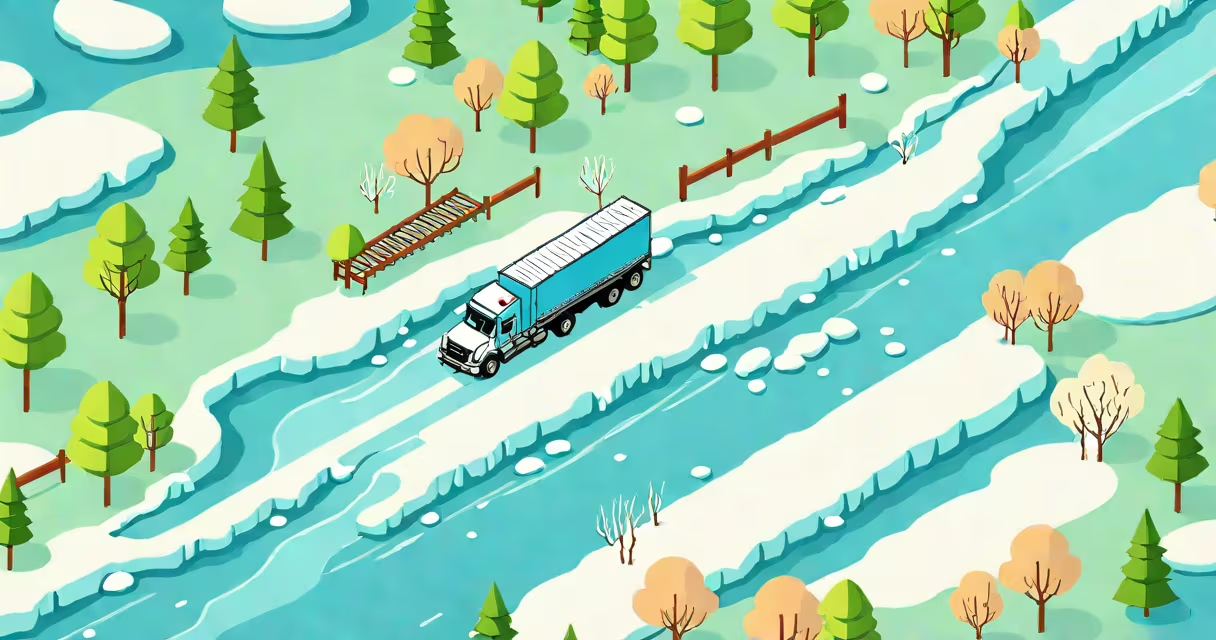
An ice road film is a genre of narrative cinema centered on the dangerous transport of goods across frozen waterways, typically in Arctic or subarctic regions. These films emphasize physical peril, isolation, and human endurance under extreme cold and unstable conditions.
They often follow commercial truck drivers transporting fuel, mining equipment, or emergency supplies along seasonal routes that form only when temperatures drop below freezing. The roads themselves are not paved-they're solidified layers of lake ice, sometimes hundreds of meters wide, but vulnerable to cracking, shifting, or sudden thaw.
Examples include The Ice Road (2021), which follows a veteran driver tasked with delivering a shipment of gold from a remote Canadian mine to a southern city during a brutal winter storm. The film's plot hinges on mechanical failure, blizzard conditions, and the psychological toll of isolation-hallmarks of the genre.
How Ice Road Films Work
These films rely on a core tension: the vehicle must move forward, but the ground beneath it is inherently unstable. The process is not just physical-it's emotional and moral. Characters face decisions that test loyalty, courage, and survival instinct.
Production teams often shoot on actual ice roads in northern Canada, Alaska, or Siberia. Locations like the Dempster Highway in Yukon or the Trans-Alaska Pipeline route provide authentic backdrops. Crews use temperature-controlled vehicles and specialized gear to survive filming in sub-zero environments.
One key element is the use of real logistics. For instance, in The Ice Road (2021), the team consulted with former ice road truckers to ensure accurate depictions of weight distribution, tire traction, and emergency protocols. According to the National Snow and Ice Data Center, ice thickness must exceed 30 cm (12 inches) to support a loaded semi-truck-a detail reflected in the film's dialogue and visuals.
Types and Tropes
While the genre shares traits with disaster movies and survival thrillers, it has distinct structural patterns:
| Type | Focus | Example |
|---|---|---|
| Survival Thriller | Isolation, environmental threats | The Ice Road (2021) |
| Crime/Heist | Stolen cargo, hidden motives | Ice Road (2018, TV series) |
| Character Drama | Personal redemption, family legacy | Ice Road: Vengeance (2023) |
Despite shared settings, the genre avoids repetition through character-driven arcs. A driver may start as a lone operator focused solely on delivery time-but as ice cracks and radios fail, they must adapt to leadership, teamwork, or even sacrifice.
A common misperception is that ice road films are purely about driving. In reality, the action centers on decision-making under pressure. When a truck stalls on thin ice, the crew doesn't just try to restart it-they assess risk, calculate weight shifts, and decide whether to abandon the load or attempt a risky tow.
Where and Why They're Used
Ice road films serve as modern parables of human resilience. They reflect real-world challenges faced by communities in remote Arctic zones, where supply chains depend on seasonal routes. The Northwest Territories' annual ice road network spans over 1,000 kilometers, connecting isolated towns to central hubs.
According to Transport Canada, nearly 200,000 tons of freight are moved annually via ice roads in northern Canada. These routes operate only between November and April, depending on temperature stability. The films dramatize the logistical complexity behind such operations-something few viewers consider.
One non-obvious fact: ice roads are not permanent. They're built by crews who drill holes every 10 meters to measure ice thickness. If readings fall below safety thresholds, the road closes. This process is shown in The Ice Road (2021), where a single weak spot causes a chain reaction of failures.
Common Confusions and Corrections
People often mistake ice road films for general winter adventure stories. But unlike Everest or Into the Wild, which focus on mountaineering or solitary exploration, ice road films center on infrastructure-on the idea that civilization extends through maintenance, not just conquest.
Another error: assuming the drivers are all seasoned professionals. In reality, many are temporary workers hired for the season. In Ice Road: Vengeance, the protagonist is a former military driver with no prior ice road experience-his learning curve mirrors that of real recruits.
Distinctions from Similar Genres
Ice road films differ from standard road movies. While both feature long journeys and evolving relationships, road movies like Thelma & Louise or Drive focus on freedom, escape, or rebellion. Ice road films prioritize responsibility, duty, and consequence.
They also contrast with disaster films like 2012 or San Andreas, which depict large-scale natural catastrophes. Ice road films zoom in on micro-scale risks-the collapse of a single bridge segment, a frozen fuel line, a single failed brake system.
And unlike survival shows such as Alone or Man vs. Wild, which isolate individuals against nature, ice road films show people working together under shared purpose. The crew's success depends not on individual skill alone, but on communication, trust, and coordinated effort.
For example, in The Ice Road (2021), the lead driver communicates with his team via radio every 15 minutes. When one member reports a crack in the ice ahead, the group slows to 10 km/h and reroutes. This kind of procedural realism sets the genre apart.
Conclusion
An ice road film is a story of movement across fragile ground-where progress demands caution, and survival depends on precision. These films use extreme environments not for spectacle, but as a lens to examine human judgment, cooperation, and perseverance.
They are grounded in real logistics, shaped by climate constraints, and driven by the urgency of delivery. Whether set in Canada's North or Siberia's frozen plains, the genre remains consistent: the road is safe only as long as the ice holds-and the driver knows when to stop.