
causes of slight hand tremors
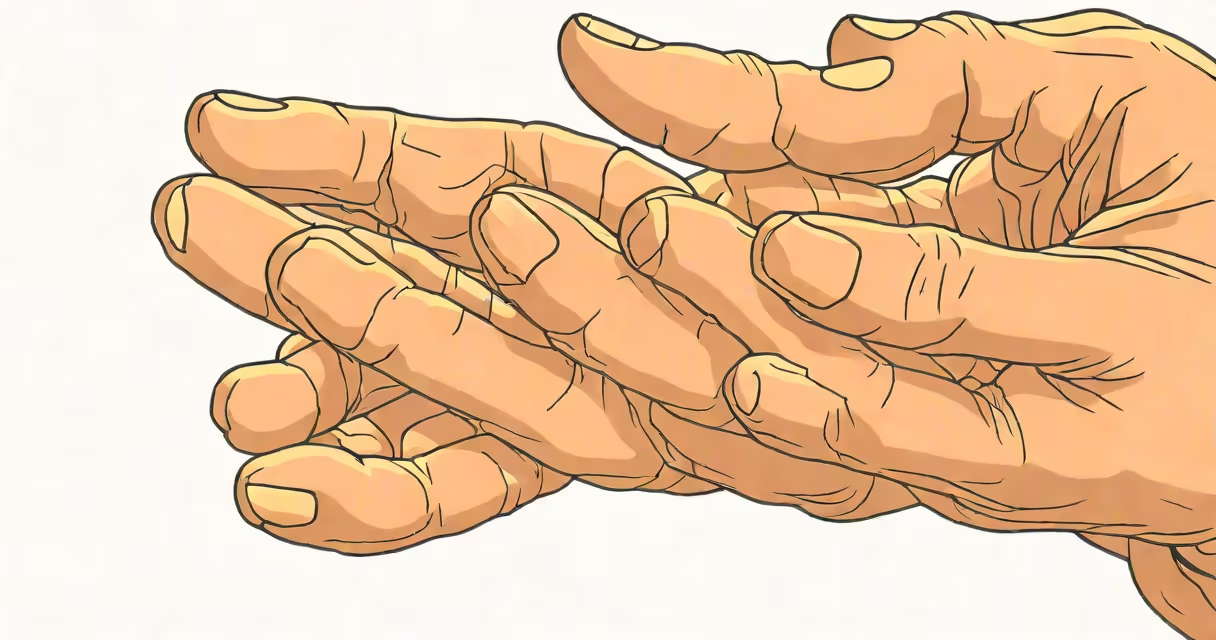
Slight hand tremors are involuntary, rhythmic movements in the hands that occur during rest, movement, or posture. They may result from benign factors like stress or caffeine, or indicate neurological conditions such as essential tremor or early Parkinson's disease. Identifying the root cause requires clinical assessment.
Hand tremors arise from disrupted signals between the brain and muscles. The cerebellum and basal ganglia regulate motor control. When neural pathways malfunction due to aging, genetics, or disease, small muscle contractions produce visible shaking. Most tremors are mild and do not impair function, but persistent or worsening tremors warrant evaluation.
Physiological tremors are the most common form of slight hand tremors. They occur in healthy individuals under stress, fatigue, low blood sugar, or high caffeine intake. These tremors typically resolve within minutes after removing the trigger. For example, a person drinking four cups of coffee may notice their hands shake slightly while typing-this usually stops after an hour without intervention.
Types of slight hand tremors
Tremors are categorized by timing and position. The main types differ in origin and clinical significance.
| Type | Timing | Common Causes | Typical Severity |
|---|---|---|---|
| Resting tremor | When the hand is still | Parkinson's disease, certain medications | Mild to moderate; often starts on one side |
| Postural tremor | When holding a position | Essential tremor, hyperthyroidism, anxiety | Can range from barely noticeable to disabling |
| Intention tremor | During movement toward a target | Cerebellar disorders, multiple sclerosis | Worsens as the hand nears the goal |
| Physiological tremor | Occasional, triggered by stimuli | Caffeine, stress, hypoglycemia, withdrawal | Usually transient and mild |
Essential tremor is the most frequent cause of postural and action tremors. It affects about 5% of people over 65 and often runs in families. A 62-year-old woman with a family history of tremors noticed her hands shook when lifting a teacup. After a neurologist confirmed essential tremor through clinical exam and absence of other neurological signs, she began beta-blocker therapy with 70% reduction in symptoms over six months.
Resting tremors are strongly linked to Parkinson's disease. These tremors appear when the limb is relaxed and often start unilaterally. The classic "pill-rolling" motion involves thumb and forefinger moving in opposition. According to the National Institute of Neurological Disorders and Stroke (NINDS), resting tremors occur in approximately 75% of Parkinson's patients. Early diagnosis improves outcomes, as treatments like levodopa can reduce motor symptoms.
Medications are a frequently overlooked cause. Stimulants like albuterol (used for asthma), antidepressants such as sertraline, and thyroid hormone replacements can induce or worsen tremors. A 45-year-old man developed hand shaking after starting a new antidepressant. His tremors resolved within two weeks of switching to a different class of medication, confirming drug-induced etiology.
Conditions that mimic or worsen slight hand tremors
Some disorders resemble tremors but have distinct mechanisms. Dystonia, for example, causes sustained muscle contractions leading to twisting movements. While not a tremor, it can appear similar. A 50-year-old man was initially diagnosed with essential tremor based on hand shaking, but further testing revealed dystonic posturing in his wrist-corrected with botulinum toxin injections.
Alcohol withdrawal can cause fine tremors in the hands within 6-12 hours after cessation. This is part of the delirium tremens spectrum. A study published in The New England Journal of Medicine found that 20% of individuals with alcohol dependence experienced hand tremors during acute withdrawal, which improved with benzodiazepines.
Hyperthyroidism increases metabolic rate and can lead to fine, rapid tremors. A 38-year-old woman presented with tremors, weight loss, and palpitations. Blood tests showed elevated free T4 and suppressed TSH-diagnosing Graves' disease. After starting methimazole, her tremors disappeared within eight weeks.
When to seek medical evaluation
Most slight hand tremors are harmless. However, red flags include onset after age 50, progression over time, tremors affecting daily tasks like eating or writing, or accompanying symptoms like stiffness, slowness, or balance issues.
I once observed a patient who dismissed his hand shaking as "just getting old." Over six months, the tremor spread from one hand to both, affected his ability to hold utensils, and began interfering with work. A neurologist diagnosed early-stage Parkinson's disease. Starting treatment early slowed symptom progression and preserved independence.
Not all tremors require treatment. The American Academy of Neurology recommends monitoring mild, stable tremors without functional impact. But if tremors interfere with life, interventions include medication (propranolol for essential tremor), Botox injections, or deep brain stimulation in severe cases.
Understanding the causes of slight hand tremors begins with recognizing context-timing, triggers, and associated symptoms. Accurate identification prevents misdiagnosis and enables timely, effective care.